Why I Started Thinking About Hollywood’s View of Iran
Honestly, it all began for me during a long train journey from Delhi to Mumbai. I was scrolling through my phone, watching a clip from a Hollywood interview where a big‑name actor was sharply criticizing the US president’s recent policies on Iran. That got me wondering – we hear a lot about politics, but how often do we really look at the movies that shape our ideas about a country we hardly visit?
In India, we love movies – from the latest Bollywood dance‑number to regional films on Netflix – and we often take cues from how foreign cinema paints a picture of far‑away places. So, I decided to put together a little list of Hollywood movies that feature Iran, and then I started picking apart what each film said, either directly or through the sub‑text, about the country.
Argo (2012) – The Hostage Crisis in a Hollywood Frame
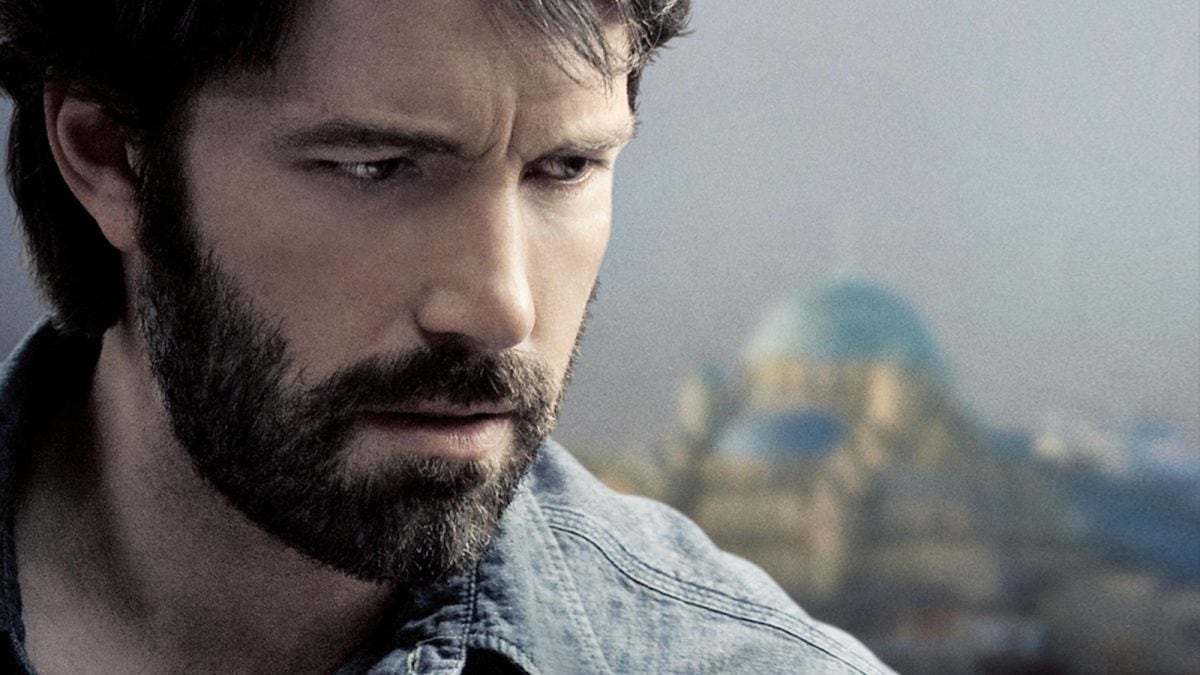
When I first watched Ben Affleck’s Argo, I felt like I was stepping into a time machine that dropped me right into the chaos of Tehran 1979. The film dramatizes the famous hostage crisis where sixty‑six Americans were held captive at the US embassy. Watching the frantic night‑time chases and the stern, suspicious faces of Iranian guards, I couldn’t help but think of the many news clips I’d seen on Indian TV that always showed Iran as a land of unrest.
What struck me most was how the movie painted the whole city as a place where fear ruled – the streets were almost always dimly lit, the crowds looked hostile, and the authorities were shown as relentless. That sense of chaos, I realised, is not just a storytelling choice; it’s a reflection of a stereotype that has been fed to Western audiences for decades.
In a report published in the Cairo Review of Global Affairs, Iranian journalist Holly Dagres wrote, “Argo reinforces Western stereotypes about Iran at a time when the neocons are continuously pushing for a new war in a never‑ending effort to remake the world in their own image.” That line stuck with me because it summed up how a single blockbuster can affect public opinion worldwide – even in places like India where we rarely get first‑hand experience of Iran.
Rosewater (2014) – A Journalist’s Nightmare
Two years after Argo, I saw Rosewater, starring Gael García Bernal as journalist Maziar Bahari. The plot follows his trip to Iran to cover the 2009 elections, only to have his life turned upside down when Iranian security forces accuse him of spying. Watching it, I felt a pang of empathy – imagine being a reporter, hoping to tell the truth, and suddenly finding yourself behind bars in a foreign land.
The film never got a public theatrical release in Iran. Instead, only a select audience could watch it during a private screening organised by the Cinema Reyavat Organisation. That in itself tells you how the Iranian authorities view Hollywood’s portrayal – they see it as a threat, or at least as something that could spark controversy.
Many critics in Iran labelled the movie as “Hollywood propaganda”. One well‑known critic, Morteza Esmaeil‑Doost, went as far as calling the makers “delusional”. I could see why – the movie frames Iran almost entirely through the lens of oppression and surveillance, which feels one‑dimensional if you’re looking for a more nuanced picture.
Septembers of Shiraz (2015) – A Tale of Jewish Families in Revolution‑Torn Iran
In 2015, I watched Septembers of Shiraz with the help of a streaming service. The film, starring Adrien Brody and Salma Hayek, follows a wealthy Jewish businessman who is thrown into a prison, tortured, and forced to hand over his life savings to revolutionary forces. The story is set against the backdrop of the 1979 Iranian Revolution, and it shows how a secular Jewish family gets caught in the turmoil.
While the plot is gripping, what stood out to me was how the movie highlighted a small, often overlooked community in Iran – the Jewish minority – and presented them as victims of a broader terrorist frenzy. That again fed into the stereotype of Iran as a place where every minority lives in fear, rather than showing any instances of coexistence or cultural richness.
If you ask a typical Indian friend who has never visited Iran, they would probably think of the country as a land of strict religious rule, based purely on what they see in such movies. That’s the power of cinema, I think – it shapes narratives in ways that sometimes reduce a whole nation to a single theme.
Is Hollywood’s Representation Of Iran Changing?
After those three big‑budget Hollywood productions, I started noticing a shift. It wasn’t an overnight change, but gradual – and some of it came from movies that were not even produced by Hollywood studios.
In 2011, the Iranian‑directed film A Separation became a worldwide sensation. Though it wasn’t a Hollywood product, its success on global platforms forced Western viewers to look at Iran through a different lens – one that showed an ordinary family wrestling with legal, moral, and personal dilemmas. The emotional depth and moral ambiguity felt refreshing, especially when compared to the black‑and‑white narrative of earlier films.
Similarly, The Stoning of Soraya M tried to humanise Iranian characters by focusing on a single tragic story. While the film still faced criticism for mostly portraying Iran through oppression, at least it attempted to give a voice to a female protagonist rather than using her as a mere plot device.
And then there’s Persepolis (2007), an animated adaptation of Marjane Satrapi’s memoir. It offered a layered portrayal of a young girl’s coming‑of‑age during and after the Iranian Revolution. Watching it, I felt a stronger connection to the daily life, the schoolyard jokes, and the family meals that are universal – something I could relate to from my own upbringing in a joint family in Hyderabad.
All these films, whether made in Hollywood or not, started to chip away at the monolithic image of Iran that had been dominant for so long.
Personal Reflections: Watching Through an Indian Lens
Being an Indian, I grew up with a blend of Bollywood drama and the occasional foreign film that my parents would recommend. My first exposure to an “Iran‑centric” movie was at a local college festival where a friend screened Argo. The whole audience, mostly Indian students, cheered for the heroics of the American diplomats and seemed to absorb the idea that Iran was a hostile, chaotic place.
Later, when I watched A Separation on a streaming platform, I remembered that same college auditorium, but this time my reactions were different. I felt empathy for the mother who wanted her mother‑in‑law to stay with her, the father stuck between duty and love, and the social system that forced them into a courtroom drama. It reminded me of the countless Indian TV serials where families face similar moral dilemmas. Suddenly, Iran didn’t feel that far away – it felt like any other society dealing with imperfect people.
Even the simple act of watching Persepolis while sipping chai at a roadside tea stall reminded me that a child’s curiosity, fears, and hopes are universal. The movie’s black‑and‑white animation made it feel less like a documentary about a distant nation and more like a personal diary – something I could relate to my own teenage years writing in journals.
These experiences have taught me that the way Hollywood frames a country can either widen the gap between us or bring us a little closer. If a film shows only terror and suppression, it fuels fear. If it highlights everyday life, it builds a bridge.
Why Stereotypes Persist in Big‑Budget Film Making
One reason I think Hollywood keeps returning to the same dangerous narrative is simple economics. Producers know that a thriller set in a “dangerous” foreign country sells tickets. The audience expects high‑octane action, clear villains, and an easy moral compass. In India, we see similar trends – action movies set in the Himalayas or deserts often hype the ‘evil’ forces to keep the story moving.
Moreover, geopolitical tensions provide a ready‑made backstory. The ongoing US‑Iran conflict has been plastered across international headlines for years. Filmmakers, especially those with ties to defense contractors or think‑tanks, may consciously or unconsciously lean on these narratives to appeal to a Western audience that already has a certain perception.
That’s not to say all Hollywood movies are manipulative; many creators genuinely try to raise awareness about human rights or political oppression. Yet, unless a film deliberately invests in research, consults with Iranian voices, or hires local talent, it often ends up with a one‑sided view – something I observed while reading behind‑the‑scenes interviews of directors who admit they relied heavily on news clips for “research”.
The Road Ahead: Can More Balanced Stories Emerge?
Looking forward, I have hope – not just because of the success of movies like A Separation, but also because streaming platforms are now giving more space to non‑Hollywood content. For instance, a recent Indian OTT platform introduced a mini‑series about an Iranian musician who travels to India for a concert. The series, while fictional, includes scenes of Indian streets, markets, and even a cricket match scene where the Iranian character tries to understand the game. It’s a small step, but it shows that cross‑cultural storytelling is possible.
In my own circle of friends, we now discuss films with more nuance. When a new Hollywood movie about Iran is announced, we ask questions like: “Who wrote the script? Did they consult any Iranian experts? Is there any voice from the diaspora?” This small shift in curiosity can push studios to be more responsible.
Finally, I think the biggest change will come when we, as audiences, demand more than just the ‘terror’ angle. If Indian viewers start to appreciate movies that portray Iran as a land of poetry, children’s laughter, bustling bazaars, and complex politics – just like any other nation – then the industry will adapt, because at the end of the day, cinema is about telling stories that resonate with people.