Six Common Paneer Cooking Errors That Diminish Its Health Benefits
Steering clear of extreme heat, excess oil, deep‑frying, and pairing paneer with nutrient‑dense foods helps preserve its full nutritional potential.
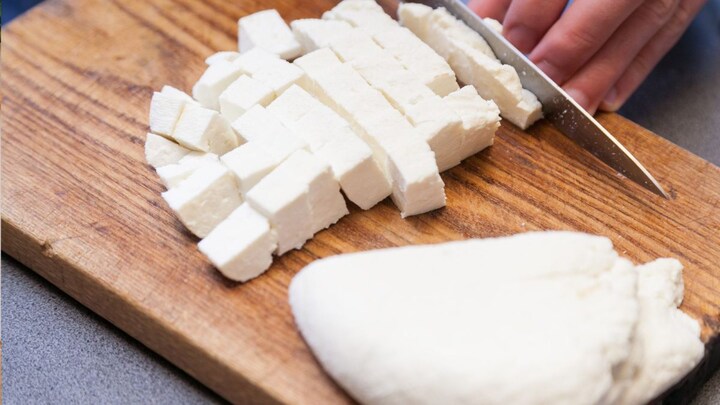
Why Paneer Deserves Careful Cooking
Paneer occupies a central place in many vegetarian eating patterns, particularly across the Indian subcontinent. The dairy product offers a robust nutrient profile that includes a high concentration of protein, a modest amount of healthy fats, and minerals such as calcium and phosphorus that are essential for skeletal health. In addition, paneer supplies fat‑soluble vitamins A and D, which support vision and immune function.
A standard 100‑gram serving of paneer delivers roughly 16 to 18 grams of protein, making paneer a potent source of this macronutrient. However, the method by which paneer is prepared can dramatically influence how much of these nutrients become available to the body. The following sections identify six prevalent cooking missteps that silently erode paneer’s nutritional value and propose evidence‑based alternatives.
1. Overcooking Paneer Until It Becomes Rubbery
Paneer possesses a delicate protein matrix that readily denatures under prolonged exposure to high temperatures. When paneer is subjected to excessive heat for an extended period, the protein strands tighten, creating a rubbery, chewy texture. Although the absolute protein quantity does not disappear, the altered texture reduces digestibility, meaning the body must work harder to break down paneer and extract its amino acids.
To preserve both texture and nutrient accessibility, introduce paneer at the final stage of a dish. Allow paneer to simmer gently for only two to three minutes, just enough to warm the cubes and meld flavors without compromising softness.
2. Deep‑Frying Paneer
Deep‑frying imparts a crisp exterior that many find appetizing, yet this technique dramatically elevates the overall fat content of paneer. Moreover, the extreme temperatures involved in deep‑frying accelerate the breakdown of heat‑sensitive nutrients, including certain B‑vitamins and the fat‑soluble vitamins present in paneer. Repeated exposure to high heat can also generate unhealthy oxidation products in the cooking oil, which may counteract the health advantages of paneer.
Health‑conscious cooks should consider shallow frying, grilling, or incorporating fresh paneer cubes directly into sauces and curries. These methods require significantly less oil, maintain a lighter calorie profile, and better protect the intrinsic nutrients of paneer.
3. Using an Excess of Oil, Butter, or Cream
Paneer already delivers a respectable amount of dietary fat. Adding large quantities of additional oil, butter, or cream creates a calorie‑dense dish without delivering proportional nutritional benefits. Over time, the surplus fat can dilute the protein‑rich nature of paneer and pose challenges for individuals monitoring cardiovascular health.
The optimal approach is to employ a modest drizzle of oil—just enough to prevent sticking—and then rely on aromatic spices, fresh herbs, and cooking techniques such as toasting or dry‑roasting to develop flavor. This strategy respects paneer’s natural richness while avoiding unnecessary caloric load.
4. Cooking on Very High Heat
When paneer is exposed to scorching temperatures, certain heat‑labile vitamins, especially the B‑vitamin complex, begin to degrade. Vitamin B12, riboflavin, and niacin are particularly vulnerable to high‑heat environments. The loss of these micronutrients diminishes the overall nutritional quality of the final dish, even though the protein and mineral components remain largely intact.
To safeguard the vitamin content, favor medium to low heat settings. A gentle sauté or a slow simmer preserves the delicate vitamin profile while still achieving the desired culinary result.
5. Prolonged Soaking of Paneer in Salt Water
Many home cooks soak paneer in a saline solution before cooking, aiming to keep the cubes tender. While a brief soak can improve texture, an extended soak triggers osmosis: the external salt concentration exceeds the internal concentration, prompting water‑soluble nutrients and moisture to migrate out of paneer. This diffusion reduces both the natural juiciness and the nutritional density of paneer.
For optimal results, limit the soak to five to ten minutes in plain warm water. This brief exposure restores softness without invoking significant nutrient loss.
6. Neglecting to Pair Paneer With Nutrient‑Rich Accompaniments
Paneer naturally lacks dietary fiber and vitamin C, nutrients that support digestion and enhance iron absorption. Preparing paneer in isolation—such as serving plain fried cubes—results in a nutritionally unbalanced meal. The absence of complementary foods also limits the body’s ability to fully utilize the protein and mineral content of paneer.
Constructing a balanced plate that combines paneer with vegetables like spinach, capsicum, peas, or tomatoes introduces fiber, antioxidants, and additional vitamins. The synergy between paneer’s protein and the micronutrients in vegetables maximizes overall nutritional intake.
Utilizing Paneer Whey: A Frequently Overlooked Resource
During homemade paneer preparation, the leftover liquid—commonly referred to as whey—is frequently discarded. Research conducted by the National Dairy Development Board demonstrates that whey contains valuable water‑soluble vitamins and high‑quality proteins. Discarding whey forfeits a source of nutrition that can be easily repurposed.
To retain the benefits of whey, incorporate it into dough kneading, soups, or gravies. By doing so, cooks add a subtle depth of flavor while preserving the vitamins and proteins that otherwise would be lost.
Practical Tips for Maximizing Paneer’s Nutritional Value
- Introduce paneer at the end of cooking cycles to avoid over‑cooking.
- Prefer shallow‑frying, grilling, or direct addition to sauces over deep‑frying.
- Limit added fats; let spices, herbs, and gentle heat provide flavor.
- Cook on medium or low heat to protect heat‑sensitive vitamins.
- Soak paneer briefly in warm water, never for extended periods in salt water.
- Combine paneer with fiber‑rich vegetables to create a nutritionally complete dish.
- Reuse whey in other culinary applications to capture its protein and vitamin content.
By adhering to these guidelines, home cooks and professional chefs alike can ensure that every bite of paneer delivers the maximum possible health benefits, turning a simple dairy product into a cornerstone of a balanced diet.