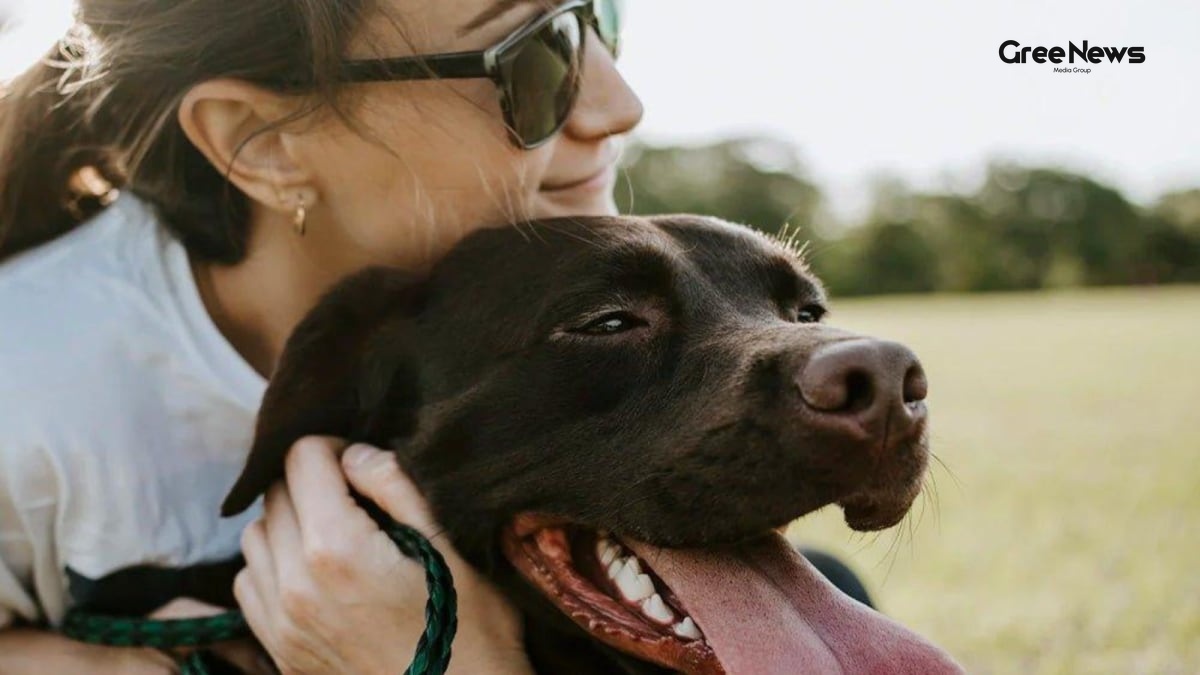
Honestly, the first time I felt the summer heat pressing on my dog was when I was watching the latest news India about a sudden heatwave hitting Delhi. I could see the traffic jam on the road, the street vendors swearing at the scorching sun, and there was my little Labrador, Bella, panting like a furnace. It made me think we humans get a warning when it’s too hot, but do pets get the same cue? That curiosity drove me to research and talk to Dr Umesh Kallahali, Small Animal Consultant at Mars Pet Nutrition. What happened next was eye‑opening, especially when I realised how quickly a routine walk could turn into a dangerous situation for our four‑legged family members.
Life & Style
Summer Heatstroke Alert: Vital Signs Every Indian Pet Owner Must Spot
What is heatstroke in pets, and why should Indian pet parents care?
Heatstroke, or hyperthermia, is when a pet’s body temperature soars beyond the normal range usually above 41°C (105.8°F). Unlike us, dogs and cats can’t sweat through their skin; they mainly cool down by panting and a tiny amount of sweat from their paw pads. Because of this, once the temperature spikes, they can’t regulate it efficiently. The condition can sneak up silently, turning mild discomfort into a life‑threatening emergency in just a few minutes. Seeing the breaking news about rising temperatures in many Indian cities made me realise that this isn’t just a rural problem it’s a city‑wide concern, especially for pet owners who often walk their pets during the hottest part of the day.
Key warning sign #1: Excessive panting or rapid breathing
If your pet starts panting heavily, faster than usual, or seems to be struggling for air, that’s usually the first alarm bell. I noticed this when Bella was out for a quick jog in the park, and she was panting like she’d just run a marathon. Dr Umesh Kallahali points out that this rapid breathing is the body’s way of trying to dump heat. The moment you see this, move the animal to a shaded or air‑conditioned spot, offer a small amount of cool (not ice‑cold) water, and gently wipe them with a damp cloth. Using a hose to spray cool water or placing a fan nearby works wonders. In many households, we’ve seen that simply wetting the paws, belly, and ears can bring the temperature down gradually without shocking the system.
Key warning sign #2: Excessive drooling or sticky saliva
Another red flag is unusual drooling or thick, sticky saliva. When my neighbour’s cat, Mitti, started drooling excessively, I thought maybe she’d just gotten a taste of something weird. But the drool was accompanied by dry gums a classic sign of dehydration and heat stress. Dr Umesh Kallahali recommends offering small sips of cool water frequently rather than a big gulp, and applying wet towels to the paws, stomach and ears. Avoid ice water; it can cause a sudden drop in temperature and shock the animal. Instead, you can place ice packs (wrapped in a thin towel) on the groin and armpit areas where blood vessels are close to the skin this helps lower body heat safely.
Key warning sign #3: Lethargy, weakness or confusion
When a normally energetic pet suddenly becomes sluggish, disoriented, or refuses to move, it’s a sign the body is struggling to keep cool. I’ve seen this with a neighbour’s beagle, who after a long afternoon in the backyard just lay down, trembling and not responding to his call. According to Dr Umesh Kallahali, this can also affect brain function, causing confusion or odd behaviour. The immediate step is to relocate the pet to a cool, shaded area and start a gradual cooling process wet towel, fan, and water spray. Also, plan walks during early mornings or late evenings when the sun isn’t at its peak. This tiny adjustment can prevent many cases that later become trending news India for the wrong reasons.
Key warning sign #4: Vomiting or diarrhoea
Digestive upset is often an overlooked indicator. When Bella once threw up after a short walk, I thought it was just an upset stomach. But combined with heavy panting, it hinted that heatstroke was already affecting her internal organs. Dr Umesh Kallahali advises moving the pet to a cool spot, offering fresh water, and holding off on feeding until the situation stabilises. Once the pet is calmer, feed during cooler hours and consider splitting meals into smaller portions to keep the intake steady without overloading the digestive system.
Key warning sign #5: Bright red, pale or dry gums
Checking the gums is a quick way to gauge the severity. Bright red gums may indicate overheating, while pale or dry gums suggest dehydration or poor circulation. I once lifted my dog’s lip and saw a concerning pale pink my heart raced. Dr Umesh Kallahali says you should immediately place the pet in a cool area and start cooling with water or damp towels, then rush to a vet. Regularly monitoring your pet’s weight and overall condition helps catch issues early, especially during the long, sweltering Indian summer.
Key warning sign #6: Collapse, tremors or seizures
This is the last‑ditch stage when the body temperature has reached critical levels and organs start failing. I’ve heard of pets suddenly collapsing on the roadside during a heatwave, and the owners scrambling to get help. These symptoms demand immediate veterinary attention; any delay can worsen outcomes dramatically. Dr Umesh Kallahali emphasises that quick action can be the difference between life and death, so keep emergency numbers handy and don’t hesitate.
Hydration matters more than you think
One of the simplest yet most effective ways to prevent heatstroke is ensuring proper hydration. Wet food or gravy‑based meals contain much more moisture than dry kibble, helping keep pets cool from the inside. In many Indian households, we mix a bit of boiled rice water or plain yogurt into the pet’s bowl this not only adds flavour but also boosts water intake. Fresh, clean water should be available at all times, and during scorching afternoons, you can put a few ice cubes in the bowl (but don’t let them eat the ice directly, as that can upset their stomach).
Sun protection for vulnerable spots
Just like humans, pets can get sunburn on exposed skin especially the nose, ears, and thin‑haired areas. White or pale‑coloured dogs, breeds with short coats, and freshly clipped animals are at higher risk. Dr Umesh Kallahali suggests applying pet‑safe sunscreen on these areas, or simply using a lightweight, breathable shirt for dogs during peak sun hours. A quick tip from a friend: a thin cotton towel draped over the back of the pet while walking works like a mini‑umbrella.
Putting it all together a practical summer checklist
Here’s a simple checklist I now follow, which you can adapt for your own pets:
- Check the weather forecast and look for breaking news about heat alerts before planning walks.
- Prefer early‑morning or late‑evening outings; avoid the 11 am‑3 pm window.
- Carry a bottle of cool water, a soft towel, and a spray bottle.
- Inspect paws, ears, nose, and gums for signs of overheating after each outing.
- Offer small sips of water every 15‑20 minutes during prolonged outdoor time.
- Switch to wet or semi‑wet food for at least a few days during the hottest weeks.
- Keep a basic pet first‑aid kit handy includes gauze, pet‑safe sunscreen, and an ice pack.
Following these steps not only reduces the risk of heatstroke but also keeps your pet comfortable, which is something every Indian pet parent wants especially when the summer heat is the talk of the town in viral news stories.
When to seek professional help
If you notice any of the late‑stage symptoms collapse, tremors, seizures, or if the gums stay pale despite cooling efforts head straight to the nearest veterinary clinic. While many owners think a quick home remedy will suffice, professional intervention can prevent permanent organ damage. Dr Umesh Kallahali stresses that time is of the essence; even a delay of 30 minutes can shift chances of recovery dramatically.
Final thoughts stay alert, stay cool
Heatstroke is not just a temporary inconvenience; it can affect the heart, brain, kidneys and liver within minutes. The good news is that with a little vigilance and a few simple habits, you can protect your beloved pet from becoming another tragic story in the trending news India. Keep your pet hydrated, avoid the harsh sun, watch for those subtle warning signs, and act fast if something seems off. Trust me, the peace of mind you’ll gain is worth every extra effort. And the next time you scroll through the latest news India and see a headline about a heatwave, you’ll know exactly what steps to take to keep your furry friend safe.
Written by GreeNews Team — Senior Editorial Board
GreeNews Team covers international news and global affairs at GreeNews. Our collective of senior editors is dedicated to providing independent, accurate, and responsible journalism for a global audience.
#sensational#life & style#global#trending
More from Life & Style
View All
Life & Style
Why Vijay Varma Is India's Uncrowned King of Men's Fashion 5 Unmissable Looks
Vijay Varma has become a style icon for many Indian fashion lovers, constantly proving that he can pull off anything from a sharp three‑piece suit to a breezy linen co‑ord with effortless confidence. His sartorial choices radiate a leading‑man vibe that feels both timeless and startlingly modern, making him a go‑to reference for anyone looking to up their wardrobe game. In this deep‑dive we explore five standout moments where Vijay Varma’s fashion sense stole the spotlight, why his approach resonates with today’s Indian audience, and how his style blends classic tailoring with relaxed, street‑ready comfort. From the way he mixes textures to his subtle yet bold accessories, we break down the details that have turned ordinary outfits into viral news across social media. The piece also reflects on how his fashion statements align with larger trends in Indian men's wear, offering practical tips for readers who want to emulate his look without breaking the bank. Whether you follow the latest news India feeds or simply love spotting trending fashion on platforms, Vijay Varma’s style journey is a compelling story of modern Indian masculinity and style evolution.
Apr 30, 2026 by GreeNews Team

Life & Style
Why I Started Taking Folic Acid Before Getting Pregnant A Personal Journey and What Doctors Say
Planning a pregnancy is more than just buying a pregnancy test; it begins long before you hear the first heartbeat. In this detailed account, I share my personal experience of starting a daily folic acid supplement while still trying to conceive, inspired by recent "latest news India" updates on maternal health. I walk you through the science behind folic acid (vitamin B9), its natural sources, and why doctors such as Dr Asmita Mahajan and Dr Kumar Salvi stress taking it before conception. Drawing from real‑world examples, I explain how a busy Indian lifestyle can make it hard to get enough folate from greens, beans, lentils, citrus fruits and whole grains alone, and why a 400 mcg supplement is recommended. The article also highlights the shocking statistic that proper folic acid intake can cut neural tube defects by up to 70%, making it one of the most effective, inexpensive, and safe preventive measures in maternal‑child health. By weaving in relatable daily routines, "breaking news" insights, and simple tips, this piece aims to help every woman in India understand that a tiny pill taken before pregnancy can give a child a healthier start, turning what might otherwise be "viral news" about birth defects into a story of prevention and empowerment.
Apr 30, 2026 by GreeNews Team
Life & Style
Why Gen Z in India Is Swapping Plastic for Stainless Steel 5 Real Reasons You Should Know
The younger generation in India is quietly reshaping daily habits by moving away from disposable plastic and embracing stainless steel. From the water bottle you carry to the tiffin you pack for office, Gen Z is making small but consistent swaps that add up to a larger environmental impact. This shift is driven by a mix of factors a growing concern for health, a desire for durability, and a keen eye for minimalist design. As the latest news India highlights a surge in sustainable consumer choices, the trend is reflected in booming sales of stainless steel cookware and accessories. The article explores five key reasons behind this change, shares personal experiences, and shows how a ‘buy once, use forever’ mindset is becoming the new norm across urban households. Readers will discover how these conscious decisions are not only better for the planet but also align with modern Indian lifestyles, making the story both relatable and inspiring.
Apr 30, 2026 by GreeNews Team

Life & Style
Why Breast Reconstruction Must Become Part of Everyday Cancer Care in India
Breast cancer touches one in four women in India, and while modern oncology centres have excelled at early detection, chemotherapy and mastectomy, the conversation about rebuilding the breast after surgery remains almost invisible. The silence is not because reconstruction is optional it reflects deep‑rooted systemic, cultural and clinical gaps that leave many survivors feeling incomplete. Experts such as Dr (Prof). Venkat Ramakrishnan from Apollo Athenaa Women’s Cancer Centre explain that only about half a percent of Indian women receive reconstruction, a stark contrast to the sixty‑plus percent seen in many Western countries. With advances like the DIEP flap offering natural‑looking results and a success rate above 99.5%, the procedure is no longer just cosmetic but a critical part of restoring dignity and confidence. Raising awareness, integrating reconstruction into the treatment plan, and expanding the pool of skilled surgeons are essential steps. This article shares real‑world insights, patient experiences and practical recommendations to push breast reconstruction from the shadows into the mainstream of India updates and health news.
Apr 29, 2026 by GreeNews Team
Latest Headlines
Recipes
Why My Protein Is Going ‘Namkeen’ in 2026 and the Other Food Trends Shaping India’s Kitchen
The 9th Godrej Food Trends Report, unveiled at the Tasting India festival in New Delhi, points to a dramatic shift in the Indian food landscape for 2026. Rather than chasing gimmicks, consumers are now looking for deeper stories behind what they eat from bold, flavour‑packed dishes that celebrate the country’s love for spice, to the rising prominence of the Indian female farmer whose produce is becoming a premium hallmark. Traditional sweets are getting a modern twist, merging global textures with hyper‑local ingredients, while protein snacks are moving away from sweet, chalky bars towards savoury, street‑food inspired flavours. Home kitchens are becoming smarter, using high‑quality pre‑made bases that save time without compromising health. At the same time, the era of theatrical restaurant gimmicks is fading, making way for honest, region‑specific concepts that tell a clear story. This article shares a first‑hand account of attending the festival, highlights the key trends ‘Chatpata’ maximalism, the invisible backbone of women farmers, the Mithai makeover, the protein reality check, the smart home kitchen, and the death of theatrical dining and weaves in the latest news India, breaking news, and trending news India to keep readers both informed and engaged.
Apr 30, 2026 by GreeNews Team
India
Punjab Police Uncover Massive Terror Plot After Patiala Rail Blast, Seize RPG, RDX and Grenades
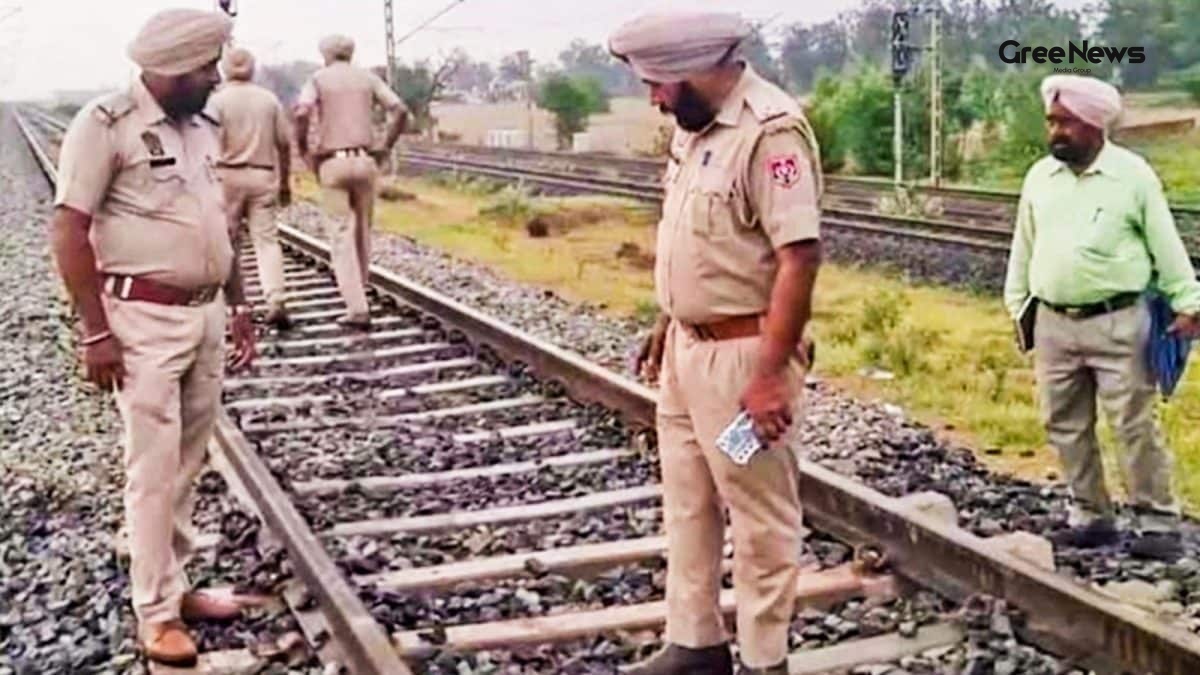
In a dramatic turn of events that has become breaking news across India, Punjab Police revealed a sprawling terror conspiracy behind the Patiala freight corridor blast. The investigation led to the seizure of a rocket‑propelled grenade, a 2.296 kg improvised explosive device, more than a kilogram of RDX, hand grenades, pistols, live cartridges and sophisticated communication gear. Authorities say the network was backed by handlers in Malaysia, linked to Pakistan’s ISI, and even connected to a US‑based individual named Surinder Singh Thikriwal. Four members of a pro‑Khalistan module, including Satnam alias Satta and his brother Jagrup Singh, were arrested after a fierce encounter that left Jagrup Singh dead. Director General of Police Gaurav Yadav confirmed the operation exposed a wider web of terror operatives, prompting heightened concerns over railway security and prompting a flurry of reactions on social media. This detailed account covers the seized weaponry, the international links, the arrests, and what the ongoing probe means for India’s infrastructure safety, reflecting the latest news India is buzzing about.
Apr 30, 2026 by GreeNews Team

India
Vinesh Chandel’s Bail Granted After Coal Scam Probe What It Means for West Bengal Politics
In a development that has captured the attention of many across the country, I-PAC director Vinesh Chandel was released on bail by Delhi’s Patiala House Court in connection with a money‑laundering case linked to an alleged coal scam in West Bengal. The Enforcement Directorate (ED) did not oppose the bail, but the court imposed strict conditions, including prohibitions on tampering with evidence or influencing witnesses, and a requirement for Chandel to stay cooperative and accessible throughout the investigation. Chandel, a law graduate from NLIU Bhopal and a 33 % shareholder of I‑PAC, which handled the Trinamool Congress’s recent poll campaign, was earlier sent to judicial custody and had been questioned by the ED over alleged involvement in the generation, diversion and possession of proceeds of crime worth several crores. This article walks you through the background of the case, the court’s decision, the reactions from political circles and what this bail might imply for the upcoming political scenario in West Bengal, all while keeping the tone of a friend sharing the latest breaking news and its nuances.
Apr 30, 2026 by GreeNews Team
India
Bihar Govt Strips Sanjay Gandhi Name from Patna Zoo & Dairy Institute What It Means
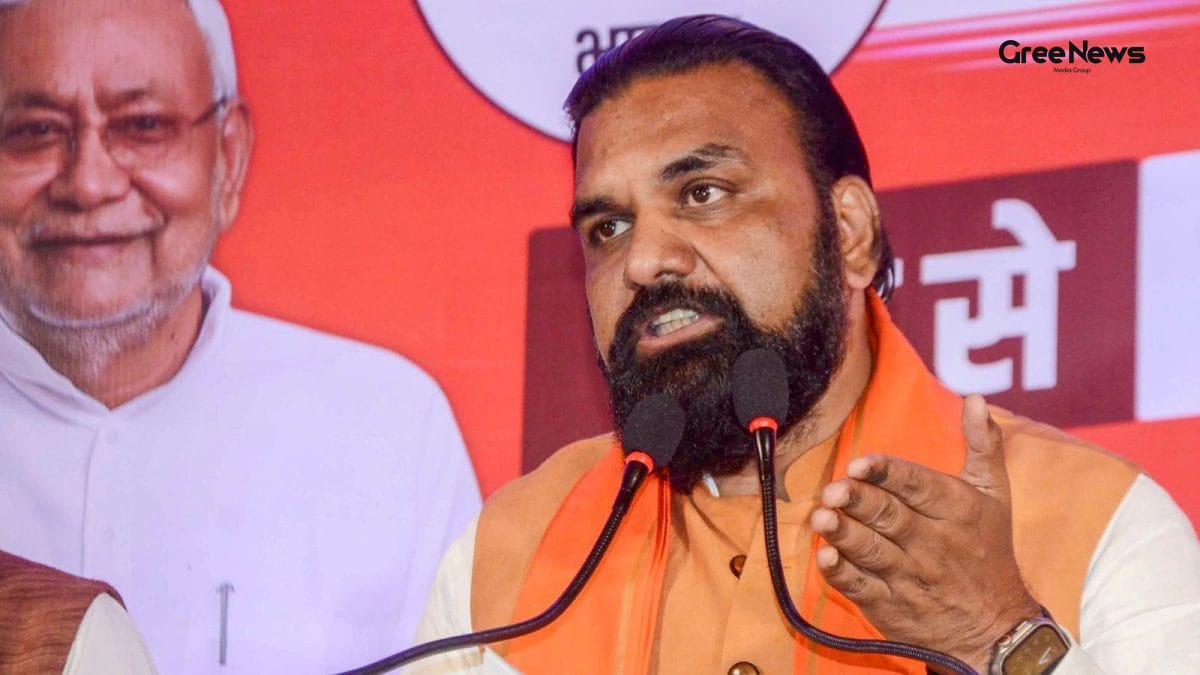
In a surprising turn of events that has become the talk of the town, the Bihar government has officially removed the name of Sanjay Gandhi from two major institutions in Patna. The Sanjay Gandhi Biological Park, a beloved landmark since the 1970s, has been renamed "Patna Zoo" and the Sanjay Gandhi Institute of Dairy Technology has been rebranded as the Bihar State Institute of Dairy Technology. These changes were part of a massive cabinet meeting chaired by Chief Minister Samrat Choudhary, where 61 decisions were approved, ranging from a massive power‑subsidy scheme for consumers to the creation of new degree colleges in underserved blocks, a Centre of Excellence for autism treatment, and the allocation of land for a new National Institute of Fashion Technology campus. While the renaming has sparked a mix of curiosity, nostalgia, and debate among locals, the broader set of welfare and education initiatives promises to reshape the state's development landscape. This article walks you through the details, the reasons behind the renaming, and what these moves could mean for people across Bihar, all presented in a conversational, first‑person style that captures the buzz of the latest news India.
Apr 30, 2026 by GreeNews Team
Business
Vedanta’s Ex‑Demerger Day Explained: What Indian Investors Should Watch
In this detailed piece I walk you through the latest news India has to offer about Vedanta Ltd’s ex‑demerger day, a key event that could reshape the portfolio of many shareholders. I break down what a demerger actually means, why the record date matters, how the special pre‑open session will decide the ex‑demerger price, and what the valuation outlook looks like according to market analysts. You’ll also get a glimpse of my own experience of tracking this breaking news, the practical steps I took to stay eligible, and why many investors are buzzing about the potential upside. By the end of the article you’ll understand how this India updates can affect your holdings, the mechanics behind the price discovery, and the post‑split valuation that Nuvama has pegged at roughly Rs 936 per share. Whether you are a seasoned trader or just curious about corporate restructuring, this story offers a clear, relatable guide to navigating Vedanta’s move.
Apr 30, 2026 by GreeNews Team
Sports
India’s Nail‑Biting 2‑3 Loss to China in Thomas Cup Sparks Talk of a Jap‑India Quarter‑Final Showdown
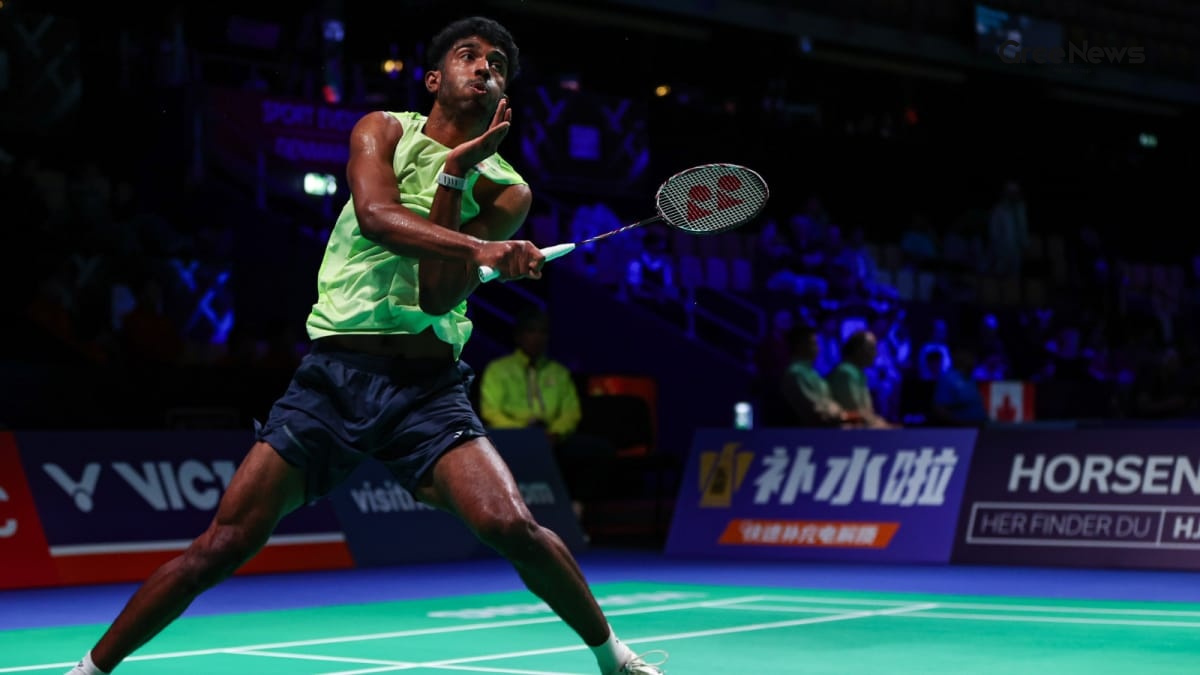
In a gripping Thomas Cup group encounter, India fell 2‑3 to China despite a heroic comeback from Ayush Shetty and a victorious finish by HS Prannoy. The tie saw early setbacks with Lakshya Sen and the Rankireddy‑Shetty duo losing, but the Indian side fought back, earning crucial points in the second singles and final match. The narrow defeat left India second in Group A, guaranteeing a spot in the quarter‑finals where they are likely to clash with Japan, the group‑topper. This article walks through each match, shares player reactions, and explores what the result means for India’s chances of lifting the coveted Thomas Cup. It also looks at crowd vibes, the pressure of a first‑time Thomas Cup appearance for some, and why this fixture has become one of the most discussed pieces of breaking news in Indian badminton circles, feeding the latest news India fans are eager to follow.
Apr 30, 2026 by GreeNews Team