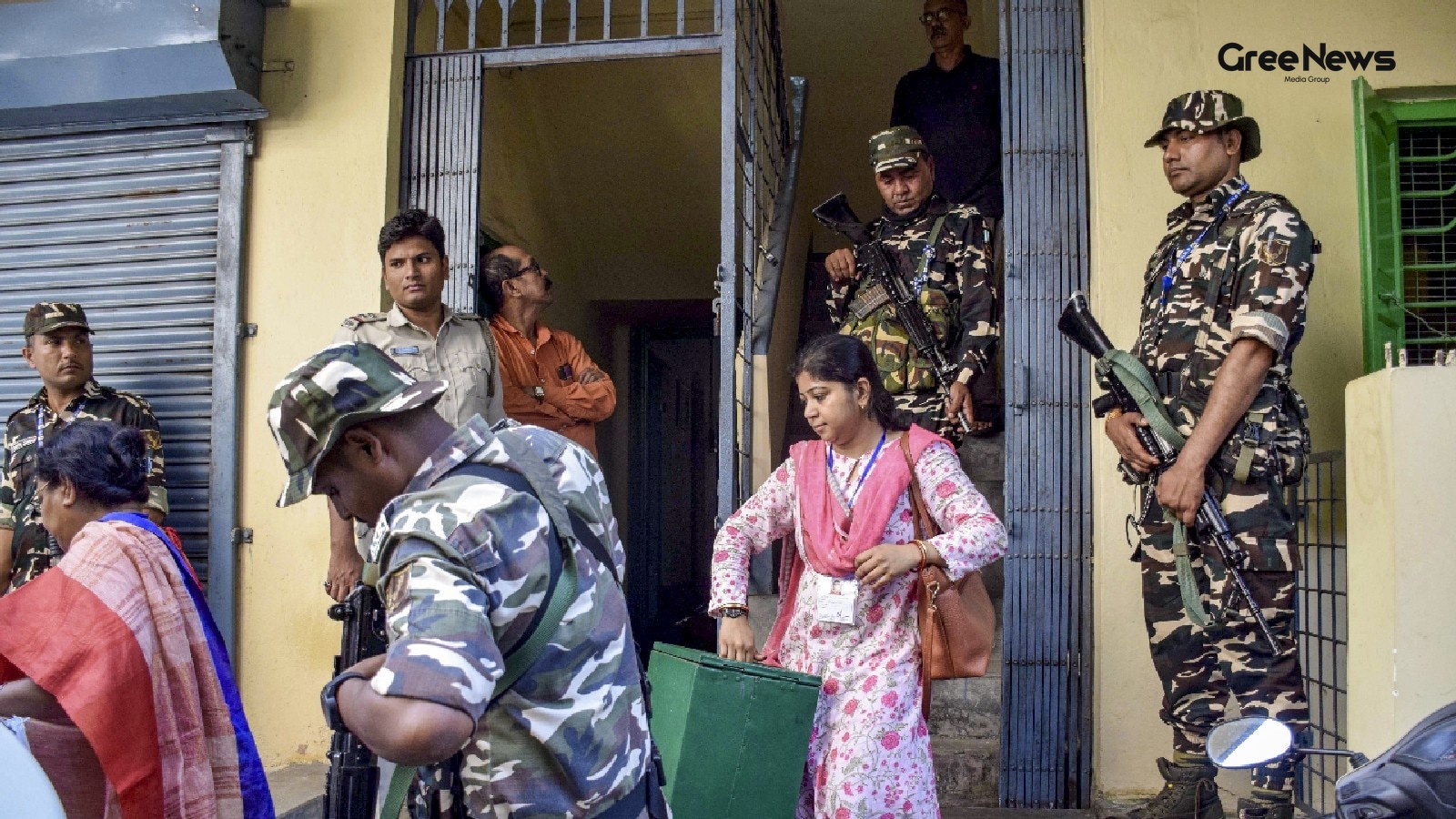
Honestly, when I first heard that the Tamil Nadu Assembly election 2026 was going to happen in a single phase, I felt a mix of excitement and a tiny bit of nervousness. You know how we all love a good political buzz it’s like the whole state suddenly becomes a massive, live‑streamed reality show. I started checking the polling booth details on my voter slip, making sure I knew which school or community hall would become the voting hub for my neighbourhood.
What caught people’s attention was the fact that the whole state, all 234 constituencies, would vote on the same day. No staggered dates, no confusion about which part of Tamil Nadu votes first. It’s the kind of simplicity that makes the whole process smoother, especially for those of us who have to juggle work, family, and the occasional cricket match.
Polling Date and Timings What You Need to Know
Let’s get straight to the most practical part the day itself. The election officials have set the polling hours from 7 am to 6 pm, which is the standard window most of us are used to during assembly elections. In most cases, the early‑morning start gives a nice cushion for people who have to catch an early train or bus, and the 6 pm close means you can still get home before dinnertime.
I remember my mom, who runs a small tea stall, saying that she’d be at her shop until the morning rush, then head straight to the booth. The timing works out well for both early risers and night‑owls. And if you’re like me, who sometimes loses track of time while scrolling through the latest news India on the phone, the clear 7 am‑6 pm window is a good reminder to set an alarm.
One tip that helped me and many others I’ve spoken to is to double‑check the voter information slip for the exact booth number. A couple of my neighbours shared funny stories about ending up at the wrong school because they misread the booth code. A quick glance at the slip can save you from that hassle.
Who Can Vote? A Quick Rundown of Eligibility
According to the Election Commission of India, more than 5.6 crore registered voters are eligible to cast a vote in this election. That figure includes men, women, and third‑gender voters. The diversity of the voter base in Tamil Nadu is truly massive from bustling Chennai streets to quiet villages in the Nilgiris.
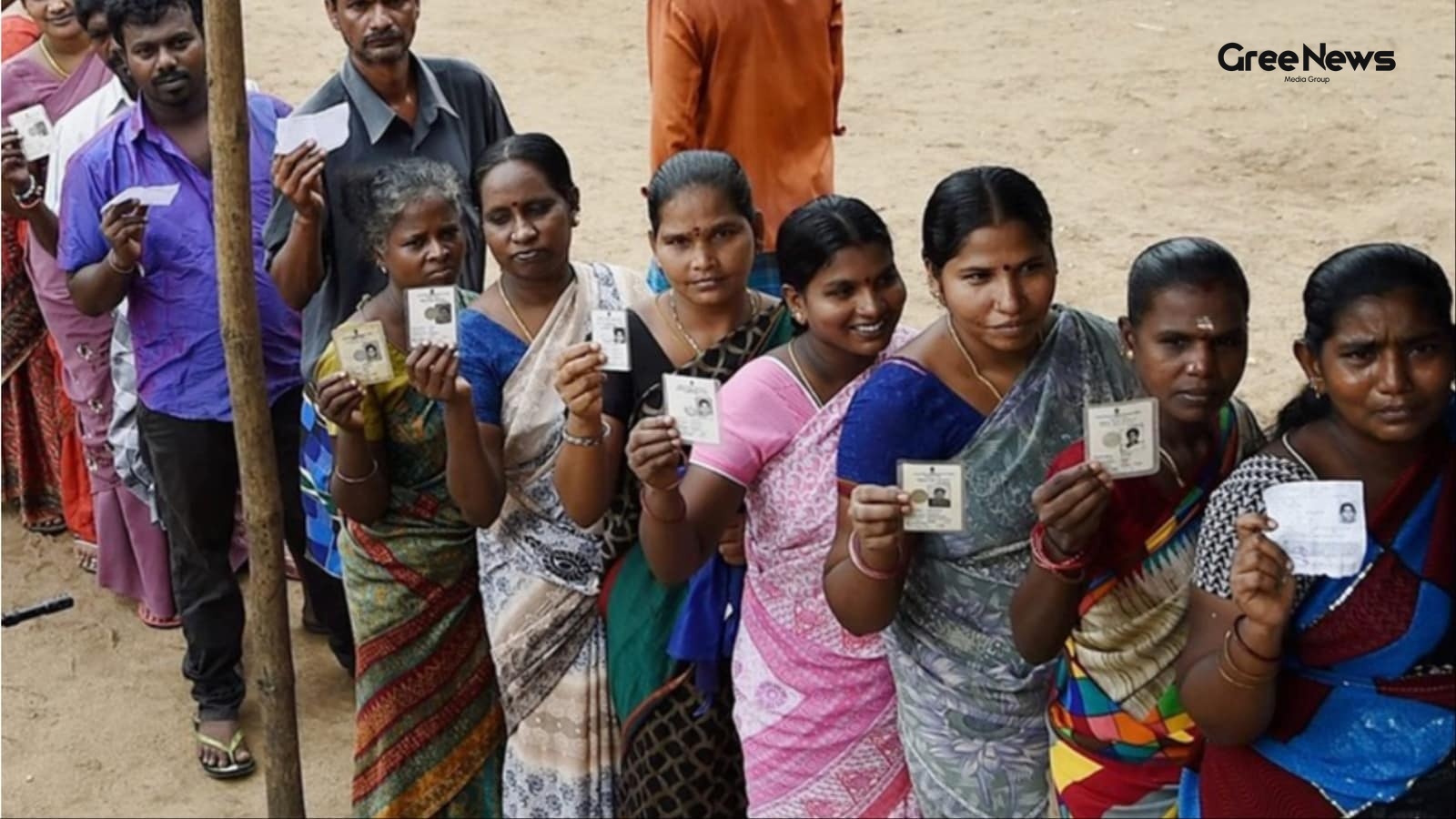
For any of us heading to the booth, the rule is simple: bring your Elector Photo Identity Card (EPIC) or any other document the ECI has approved for voter identification. I once saw a friend trying to use an old school ID, and the officials gently reminded him that the EPIC is the gold standard. It’s honestly the easiest way to avoid any last‑minute hiccups.
What I found interesting was the inclusion of third‑gender voters in the same roll. It shows a progressive step in our democratic process, making sure everyone’s voice is counted.
Home Voting and Postal Ballot Facility For Those Who Need It
Now, here’s a part that many people don’t realise until they need it the special voting provisions. The Election Commission has a system that allows certain categories of voters to either apply for a postal ballot or request home voting. The groups covered are senior citizens (especially those who are 85 years and above), persons with disabilities, essential service workers, and election duty personnel.
I talked to a senior citizen neighbour, who’s 87, and he told me how relieved he felt knowing he could apply for a postal ballot. The process, he said, was straightforward: a simple form, a verification call, and the ballot arrives at his home. The entire procedure is video‑recorded to maintain secrecy and transparency something that made a lot of people feel more confident about the system.
Even for essential service workers like police officers or hospital staff, the provision ensures they can vote without compromising their duties. A friend of mine, who works in a government hospital, got a home‑voting kit the night before and cast his vote while on a short break. It’s those little conveniences that keep the democratic spirit alive.
Silent Period and Dry‑Day Rules Why They Matter
One thing that many voters overlook is the 48‑hour silence period that kicks in before polling. During this time, all political campaigning is strictly prohibited. This rule, I learned, is designed to let voters think over their choices without any last‑minute pressure. It’s a calm pocket amidst the usual political chatter.
Alongside the silence period, the authorities also enforce a dry‑day rule. That means liquor outlets stay shut during the restricted days leading up to the poll. The idea is to maintain a peaceful environment and avoid any disturbances that could affect the voting process. I heard a funny anecdote from a friend in Coimbatore: he joked that his favorite bar advertised “Closed for democracy!” a tongue‑in‑cheek reminder of how seriously the election machinery takes these rules.
These measures also help reduce any potential conflict or disorder, making the polling day smoother for everyone.
What Remains Closed on Polling Day?
Because the state government declares a public holiday on the polling day, a lot of regular establishments remain shut. Banks close, schools and colleges close, and liquor shops stay closed due to the dry‑day rule. Yet, essential services such as hospitals, emergency utilities, and police stations continue to operate to ensure everyone’s safety and well‑being.
From my own experience, I remember that on previous elections the local bank was closed, so I had to withdraw cash a day earlier. It’s a small inconvenience, but a good reminder to plan ahead. And for students, the day off can be a ‘study break’ many of them use it to catch up on newspaper reading, especially the breaking news and trending news India sections.
One tip many first‑time voters share is to keep some snacks and water handy, as you might spend a few hours waiting at the booth, especially if you’re in a densely populated area.
Key Election Schedule The Roadmap (Without Dates)
- Notification of the election: announced a few weeks before the poll.
- Last date for filing nominations: a short window after the notification.
- Scrutiny of nominations: conducted the day after the last date for nominations.
- Withdrawal deadline for candidates: a couple of days after scrutiny.
- Polling day: the single, statewide phase where every voter casts their vote.
- Counting of votes: takes place a few days after polling, when the final results are declared.
Even though I’m not mentioning exact dates which the official schedule holds the flow is pretty much the same every assembly election. It helps to keep a mental checklist, especially if you’re planning to vote via postal ballot or have to arrange transport to a remote booth.
Practical Tips from My Own Experience
Having voted in previous Tamil Nadu elections, I’ve gathered a handful of practical suggestions that might help you on the polling day:
- Carry a valid ID: Your EPIC card should be in good condition. If you have an alternative approved ID, keep it safe.
- Check your booth location: A quick glance at your voter slip can save you from wandering around.
- Plan your travel: Public transport can be crowded; consider using a two‑wheel vehicle or a ride‑share if you live far.
- Take essentials: A bottle of water, a small snack, and maybe a power bank for your phone.
- Stay updated: Follow reliable sources for any last‑minute changes the Election Commission’s website or reputable news portals.
- Respect the silent period: Avoid discussing politics loudly near the booth it’s not just a rule, it’s a common courtesy.
- If you’re eligible for home voting: Submit your application early; the process takes a few days.
These tiny steps helped me avoid the typical polling‑day chaos and made the whole experience smoother. I also noticed that many first‑time voters felt more confident after following these simple checks.
Why This Election Matters A Personal Reflection
Beyond the logistics, the Tamil Nadu Assembly election 2026 is shaping up to be a pivotal moment for the state. The next government will steer policies on education, health, agriculture, and the burgeoning tech sector. As someone who works in the IT services field, I’m keenly watching the parties’ stand on digital infrastructure, because it directly impacts our daily work and the country’s position in the global market.
Additionally, many of my relatives live in rural districts where water management and farming subsidies are hot topics. The election will decide how resources are allocated, and that has a real, tangible effect on their lives. That personal connection is what makes me read the latest news India, discuss with family at dinner, and share snippets on social media.
All in all, whether you’re a first‑time voter or a seasoned participant, this election offers a chance to voice your hopes and concerns. It’s the perfect time to be part of the democratic process and help shape the future of Tamil Nadu.