Why Trump says Mayor Zohran Mamdani is "destroying" New York
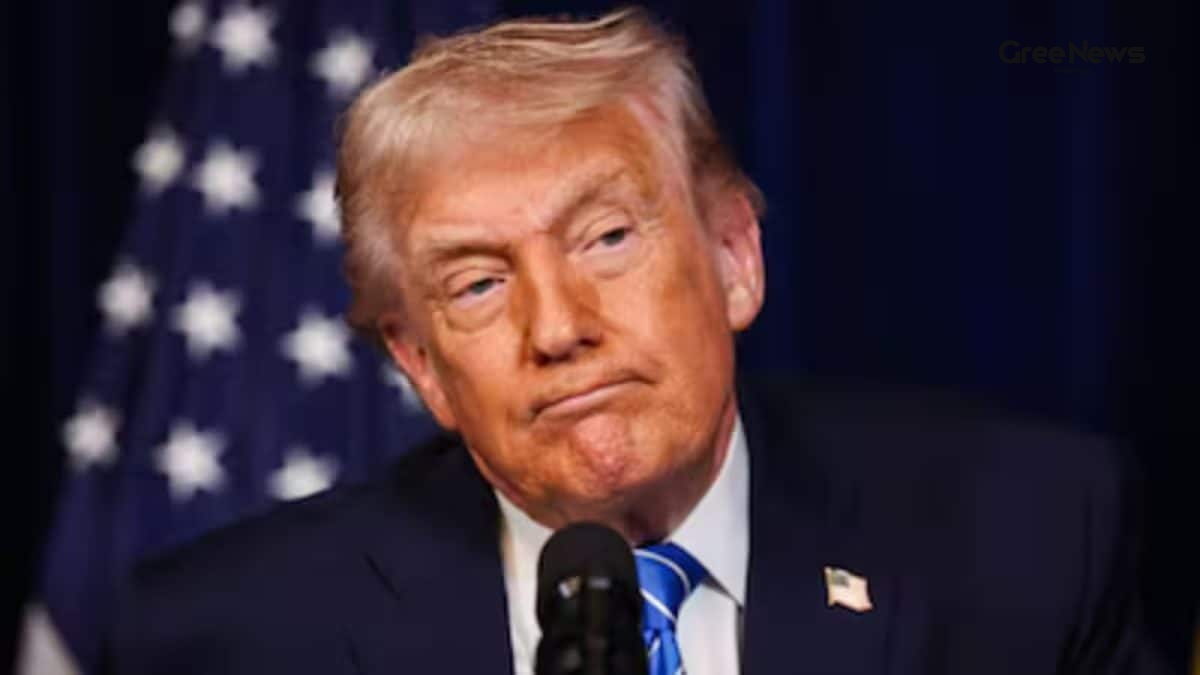
Honestly, when I first saw Trump’s post on Truth Social, I thought it was just another political rant. But the tone was different he actually wrote, "Sadly, Mayor Zohran Mamdani is DESTROYING New York!" and then went on about taxes, taxes, taxes. It felt like a classic Trump‑style outburst, yet the anger was focused on a very specific policy. This is why the whole thing has become breaking news India style a US political squabble suddenly feels like it belongs on every Indian news feed, especially when it pits two high‑profile figures against each other.
What happened next is interesting. Trump accused the mayor of pushing policies that make people flee the city, saying the "tax, tax, tax" approach is "SO WRONG". He even warned that the United States should not help a city that, in his words, is "going to get WORSE". While the claim sounds dramatic, most analysts point out there isn’t any solid data showing a mass exodus because of this proposal. Still, the drama has gone viral you can see people sharing the screenshot on WhatsApp groups, turning it into trending news India.
What exactly is the ‘pied‑à‑terre’ tax?
Let’s break it down in plain terms, because the tax jargon can be confusing. The idea is simple: levy an annual surcharge on luxury residential properties in New York that are valued at $5 million or more, but which aren’t used as the owner’s primary home. In other words, if you own a fancy Manhattan condo that sits empty most of the year, you’d have to pay an extra fee each year.
Governor Kathy Hochul and Mayor Zohran Mamdani are backing the plan. They argue that these empty homes are “part of our skyline” but their owners are not “part of our city”. The logic is that if you can afford a $5 million second home that sits vacant most of the time, you can afford to chip in like any other New Yorker who pays property tax.
The tax would hit one‑ to three‑family homes, condos and co‑ops whose owners live outside New York City or even outside the state. Estimates suggest the surcharge could generate about $500 million a year, though earlier studies put the figure closer to $232 million. Either way, it’s a big chunk of money when the city’s budget deficit is projected to hover around $5.4 billion.
Imagine a typical high‑end building in Manhattan. There are roughly 13,000 properties that could fall under this rule. The tax structure is graduated for homes valued between $5 million and $6 million, you might pay 0.5% on the amount above $5 million, and the rate scales up for pricier properties. In practice, that could mean an additional $25,000 to $100,000 or more every year for the ultra‑rich.
Many people were surprised by the specific focus on second homes, because previous attempts to tax high earners or corporations were blocked by Governor Hochul. Targeting vacant luxury homes, however, seems to have a wider political acceptance, making it a keen example of a policy that is both fiscally urgent and politically viable.
Why is New York pushing this tax now?
New York’s fiscal problems are not new the city has been wrestling with a widening deficit for years. But the urgency has spiked lately, especially after the latest housing and vacancy surveys showed a massive amount of high‑end units sitting empty. The 2023 Housing and Vacancy Survey revealed about 59,000 units flagged as “seasonal, recreational or occasional use”. That’s a lot of apartments that generate no rent, no foot traffic and no tax revenue.
Mayor Zohran Mamdani has long championed taxing the ultra‑wealthy to fund public services and curb the soaring cost of living. When broader tax hikes on corporations and high earners met resistance, the pied‑à‑terre tax emerged as a compromise that could actually pass through the city council.
There’s also a political narrative here by targeting property that looks glamorous on the skyline but sits empty, the administration can claim they are fighting for the ‘common man’. It’s a storyline that resonates with voters who feel squeezed by high rents and rising groceries. This angle has made the proposal a hot topic in trending news India, as people compare it with similar debates happening in Delhi or Mumbai about vacant property taxes.
Of course, the mayor has dismissed the fear that the rich would simply pack their bags and leave. He called those concerns “imagined” and pointed out that most owners of such luxury homes already have deep ties to the city they own businesses, schools, or have families here.
Mayor Zohran Mamdani’s own words on the tax
When Mayor Zohran Mamdani announced the plan, he sounded almost relieved to finally have a concrete tool in hand. "Well, today we’re taxing. I’m thrilled to announce we’ve secured a pied‑à‑terre tax, the first in New York’s history," he said. The mayor emphasized that the tax is squarely aimed at those who treat New York real estate as a pure investment rather than a home.
He added, "This pied‑à‑terre tax is specifically designed for the richest of the rich. Those who store their wealth in New York City real estate, but who don’t actually live here. Yet they are able to reap huge financial rewards from owning property in… the greatest city in the world." The phrasing felt intentionally punchy, almost as if he wanted the message to be viral something that would catch on in social media feeds across the globe, including Indian platforms like ShareChat.
In a joint statement with Governor Hochul, the mayor highlighted fairness: "Alongside the governor, our administration is fighting every day to address this fiscal deficit fairly, where the wealthy contribute what they owe and our budget reflects our commitment to the working New Yorkers being priced out of our city." The sentiment mirrors a growing global conversation about wealth inequality, and it’s one reason the story has become a piece of viral news that keeps popping up in India updates.
From “nice guy” to “destroying New York” the Trump‑Mamdani saga
Now, let’s talk about the relationship between the two leaders. In the early days of his campaign, Trump was openly hostile to Mayor Zohran Mamdani, labelling him a “radical socialist” and even warning that New York could become a “third‑world country” under his leadership. The mayor fired back, saying, "Donald Trump, since I know you’re watching, turn the volume up," and promised a united front against any federal cuts.
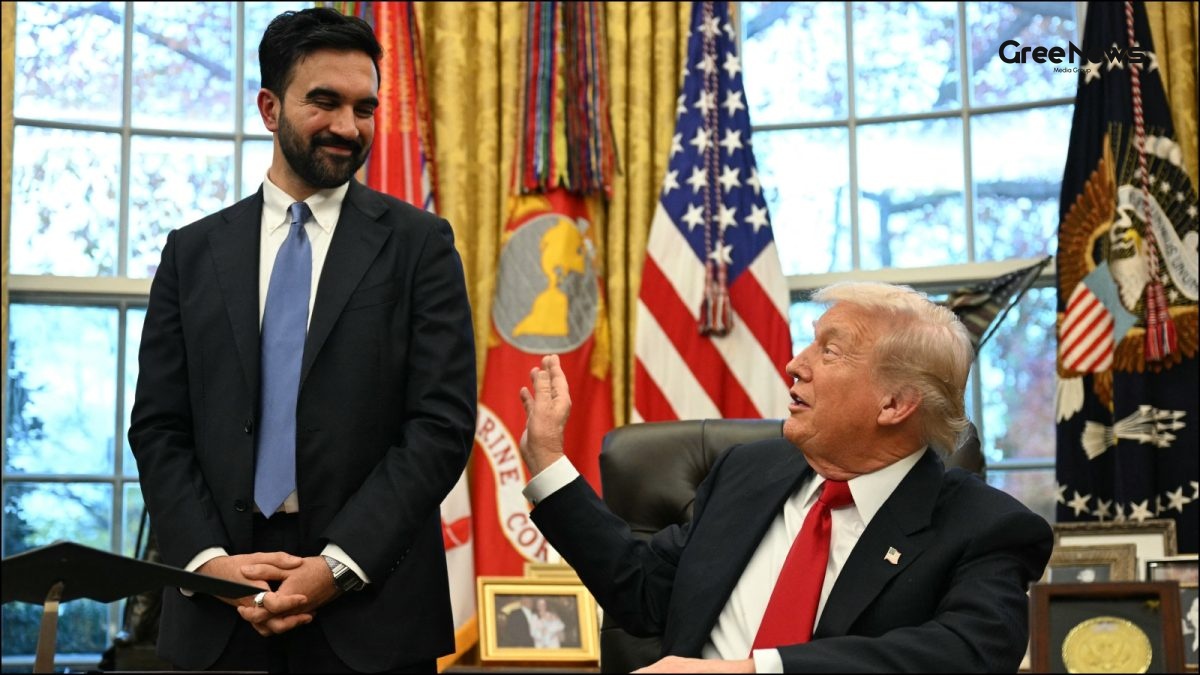
But something strange happened after Mamdani took office as New York’s first Muslim and South Asian mayor. A much‑anticipated White House meeting, which many expected to turn into a showdown, turned surprisingly cordial. Trump later said, "I will say there’s no difference in party. There’s no difference in anything, and we’re going to help him make everybody’s dream come true, having a strong and very safe New York." Mamdani called the meeting “productive”, noting they discussed rent, groceries, and utilities topics that affect everyday citizens.
That brief peace didn’t last long. The first crack appeared over a snow‑shovelling programme, where Trump criticized Mamdani’s requirement for strict identification for workers and then turned around to oppose voter‑ID laws a classic double‑standard that didn’t sit well with many.
By February, Trump was back to branding Mamdani as “the new communist mayor of New York City”, though he still called him a “nice guy” with “bad policy”. The latest volley over the pied‑à‑terre tax marks an even sharper escalation. The tension is now not just a political spat but a story that’s been shared over a million times, making it a piece of trending news India and a subject of many memes.
What the public and experts are saying
Across the city, reactions are mixed. Some wealthy homeowners argue the tax is unfair and could drive them to invest elsewhere, possibly in other global hotspots like London or Dubai. Others, especially from middle‑class neighbourhoods, cheer the move, hoping it will bring in the revenue needed for schools and public transport.
Economists are also divided. A few say the $500 million estimate is overly optimistic, pointing to earlier models that suggested the figure could be half that. Others argue any additional revenue is welcome, given the city’s massive deficit.
In India, the debate has taken on its own flavor. Commentators compare the New York move with similar proposals in Delhi and Mumbai to tax vacant homes, suggesting a ripple effect could happen across major metros. The story has even landed in the “latest news India” sections of several portals, with headlines like "Trump vs. Mayor Mamdani: US politics meets Indian housing woes".
Why this story matters for Indian readers
Besides being an entertaining political drama, the pied‑à‑terre tax raises questions that matter to anyone living in a bustling metropolis be it New York or Mumbai. It forces us to think about how cities can balance the needs of the ultra‑wealthy with those of ordinary citizens. If New York succeeds, it could become a blueprint for Indian cities grappling with similar issues of vacant luxury apartments and soaring housing costs.
Moreover, the clash between Trump and Mamdani shows how international politics can become part of daily conversation in Indian households, especially when the topics intersect with global economics and urban policy. That’s why you’ll keep seeing this story pop up in breaking news feeds, viral posts, and even in discussions on commuter trains.
In short, the tax proposal, the political fire‑storm, and the media frenzy form a perfect storm of viral news that blends policy, personality, and public sentiment a recipe that keeps readers glued and makes the article a staple in any India updates roundup.