Iranian judiciary slams Trump’s claim as fake news
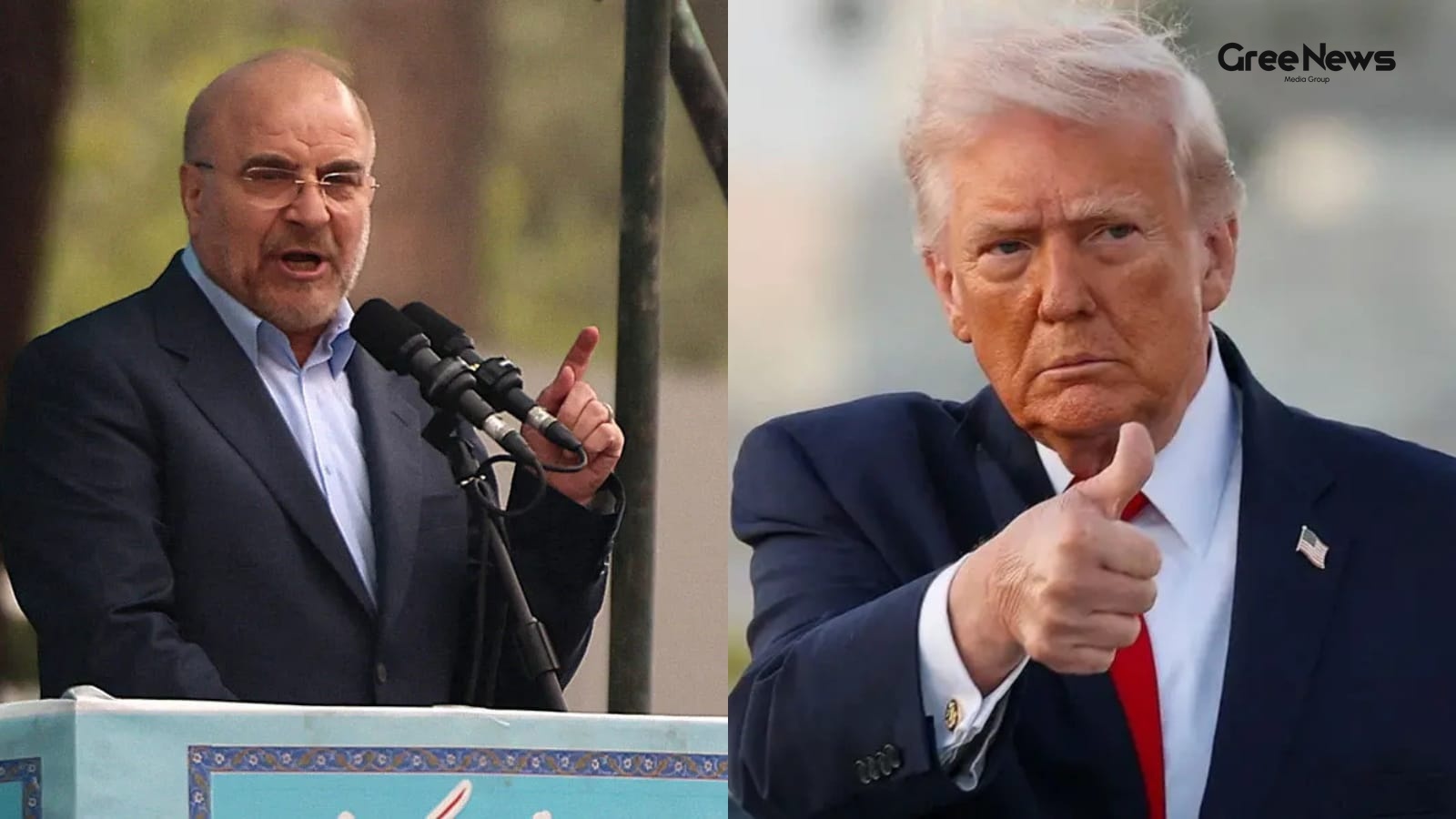
So, the other day I was scrolling through my phone, catching up on the latest news India, when I stumbled upon a post that made my eyebrows shoot up. Donald Trump, the former US President, had just posted on Truth Social, urging Tehran to free eight women who, according to him, were about to be hanged. He said something along the lines of "I would greatly appreciate the release of these women" and hinted that their freedom could help in negotiations.
Now, you know how quickly something like that can go viral in our circles a tweet, a retweet, a meme, and suddenly it’s EVERYONE’s breakfast conversation. But before the story turned into a trending news India meme, the Iranian judiciary decided to set the record straight.
On their official website, Mizan Online, they posted a short but sharp reply: "Trump was misled once again by fake news." The statement went on to explain that the women mentioned in Trump’s post are either already released or facing charges that, even if they result in conviction, would lead only to imprisonment, not execution.
What sparked the claim? The activist’s post and the names of the eight women
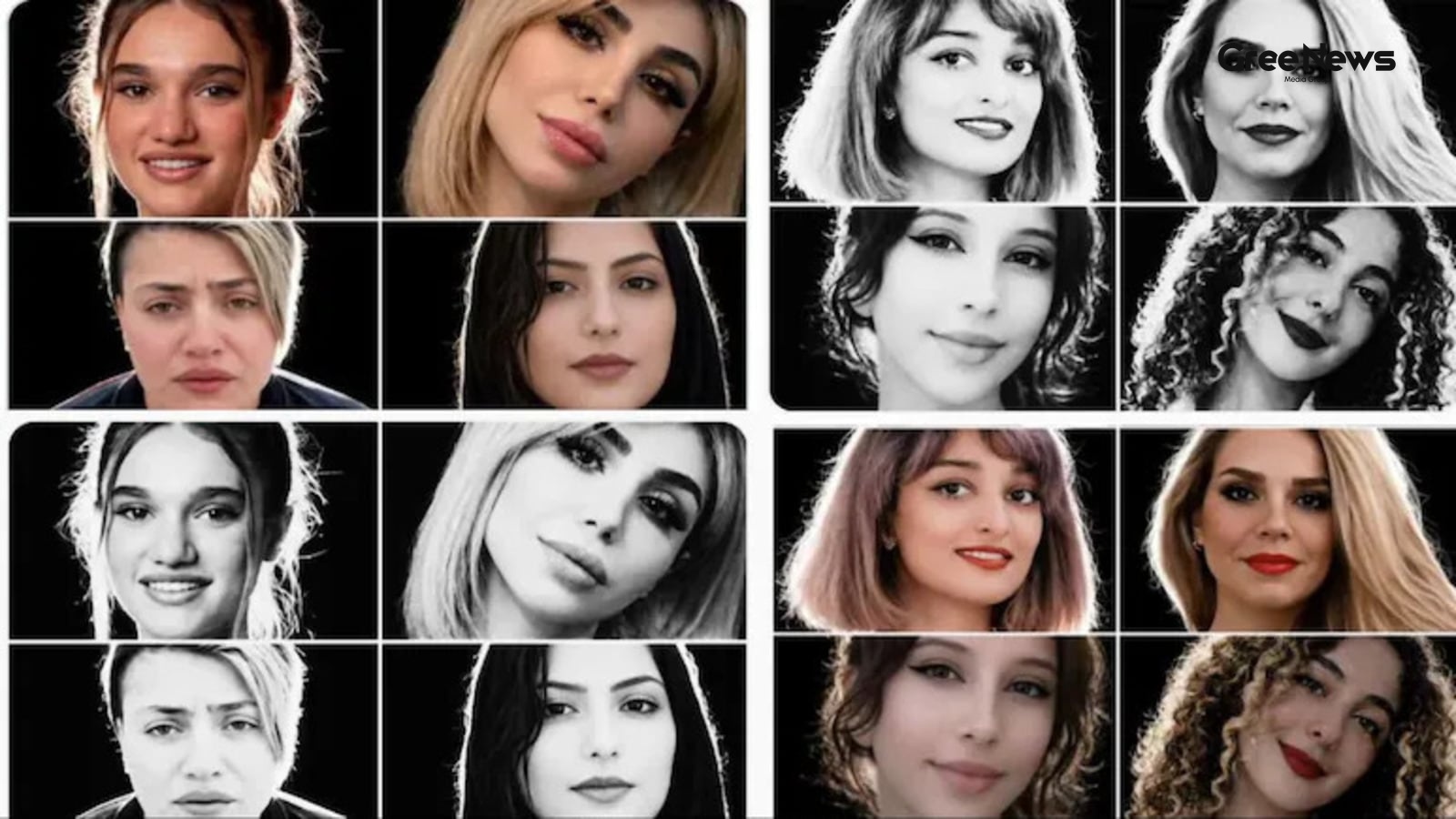
It all began when US‑based Iranian dissident Masih Alinejad took to X (formerly Twitter) and listed the names of all eight women she said were arrested during the January protests. She didn’t just give names she also shared a few photographs that looked eerily familiar to many who had been following the protests on the ground.
One of the names that popped up was Bita Hemmati. According to the Abdorrahman Boroumand Center, a US‑based human‑rights group, Hemmati was featured in a video aired on state television in January, being interrogated by the judiciary chief, Gholamhossein Mohseni Ejei. The same group reported that Hemmati, along with three men her husband among them had been sentenced to death for allegedly throwing concrete blocks at security forces in Tehran.
Another woman shown in the pictures was Mahboubeh Shabani, 32. The Norway‑based Hengaw rights group says she’s facing the capital charge of “waging war against God” because she allegedly used her motorcycle to ferry wounded protesters in Mashhad. She’s currently locked up in the women’s ward of Vakilabad prison, and Hengaw has warned about the risk of a death sentence in her case.
These details made the story go viral, with people sharing the photos and debating whether the women were actually facing execution. That’s when Trump’s post entered the fray, linking the release of these women to broader diplomatic talks.
What do the rights groups say?
The AFP report I read mentioned that at least one of the women arrested during the protests has already been sentenced to death, while another faces charges that carry the death penalty. However, the same report clarified that these were isolated cases and that the broader claim that eight women were about to be hanged had no solid legal backing.
In most cases, the Iranian judiciary’s response was measured: they said that the alleged death‑penalty cases could turn into imprisonment if the convictions are upheld. That nuance is crucial, especially when headlines are screaming "execution" and people are forming opinions based on that.
From a personal perspective, I remember chatting with my cousin in Delhi, who works in a legal NGO. She told me that the Iranian judicial system often deals with protest‑related cases behind closed doors, and that the media, both local and international, tend to amplify the most dramatic aspects especially when there’s a chance to stir political sentiment.
How this story fits into the larger Middle‑East context
We’re all aware that the Middle East has been tense for a while now. The protests that erupted in Iran earlier this year, especially the January demonstrations, have been a hot topic in breaking news circles worldwide. People on the streets of Tehran, Mashhad, and other cities took to the streets demanding reforms, and the government’s crackdown led to a slew of arrests.
What caught many people’s attention was the way an overseas leader in this case, Donald Trump tried to link the fate of the detained women to diplomatic negotiations. It’s not the first time a foreign figure has tried to use human‑rights cases as bargaining chips, but the speed with which the claim spread was something else. Within hours, the hashtag #WomenOfIran was trending, and dozens of Indian news portals were publishing pieces that blended the original claim with the Iranian judiciary’s rebuttal.
From a conversation I had with a friend in Mumbai, who works in a foreign‑policy think‑tank, I learned that many analysts view Trump’s move as an attempt to signal support for Iranian dissidents ahead of upcoming US‑Iran talks. Whether that was a genuine concern for the women’s lives or a strategic ploy is still up for debate.
Public reaction in India and why it matters
Back home, the story became a point of discussion on WhatsApp groups, especially those that focus on international affairs. A lot of people wondered: are these women really on death row? Why is the US President talking about Iran’s internal judicial process? The mix of curiosity and concern made the story go viral, and it’s easy to see why it landed on the top of many trending news India lists.
What’s interesting is that many users shared the Iranian judiciary’s statement, quoting the line “Trump was misled once again by fake news.” The phrase struck a chord, especially because it echoed a sentiment many Indians have felt when foreign media or leaders comment on internal matters without full context.
Another point that kept the conversation alive was the personal stories of Bita Hemmati and Mahboubeh Shabani. Their names and ages one being as young as 16, according to some reports added a human element that people could relate to. When a story includes real names, faces, and ages, it becomes more than just a political headline; it turns into a piece of human tragedy that people want to discuss.
Key takeaways and what could happen next
First, the Iranian judiciary’s denial shows that, at least officially, there is no mass execution looming for eight women. The charges, while serious, could lead to prison terms rather than death sentences.
Second, the incident highlights how quickly fake or unverified news can spread, especially when it involves high‑profile figures like Donald Trump. The phrase "misled once again by fake news" is a reminder to cross‑check information before sharing it.
Third, the episode may influence the tone of future US‑Iran dialogues. Whether the US will continue to bring up individual cases in negotiations remains to be seen, but the backlash from the Iranian side suggests they may push back more strongly against such tactics.
Finally, for us readers in India, this story serves as a perfect example of why staying updated with reliable sources the kind that appear in the latest news India feeds is crucial. It also underscores the power of social media to both amplify truth and amplify misinformation, making us all a little more cautious about what we believe.