Trump’s remarks on the cease‑fire
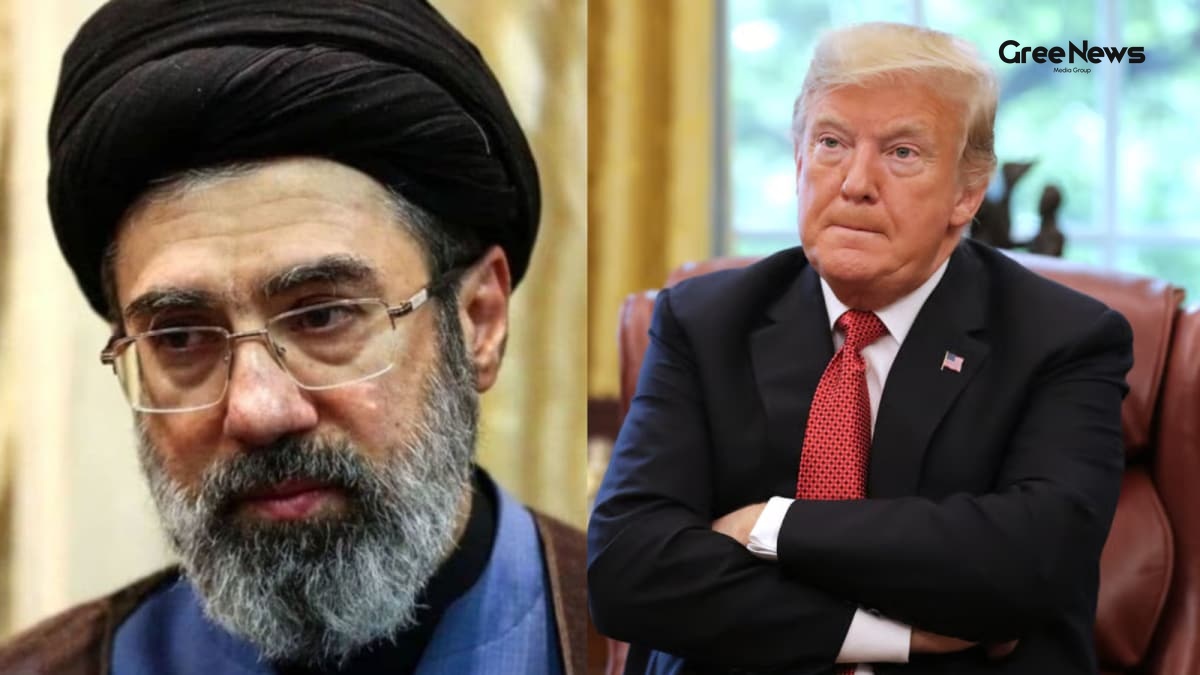
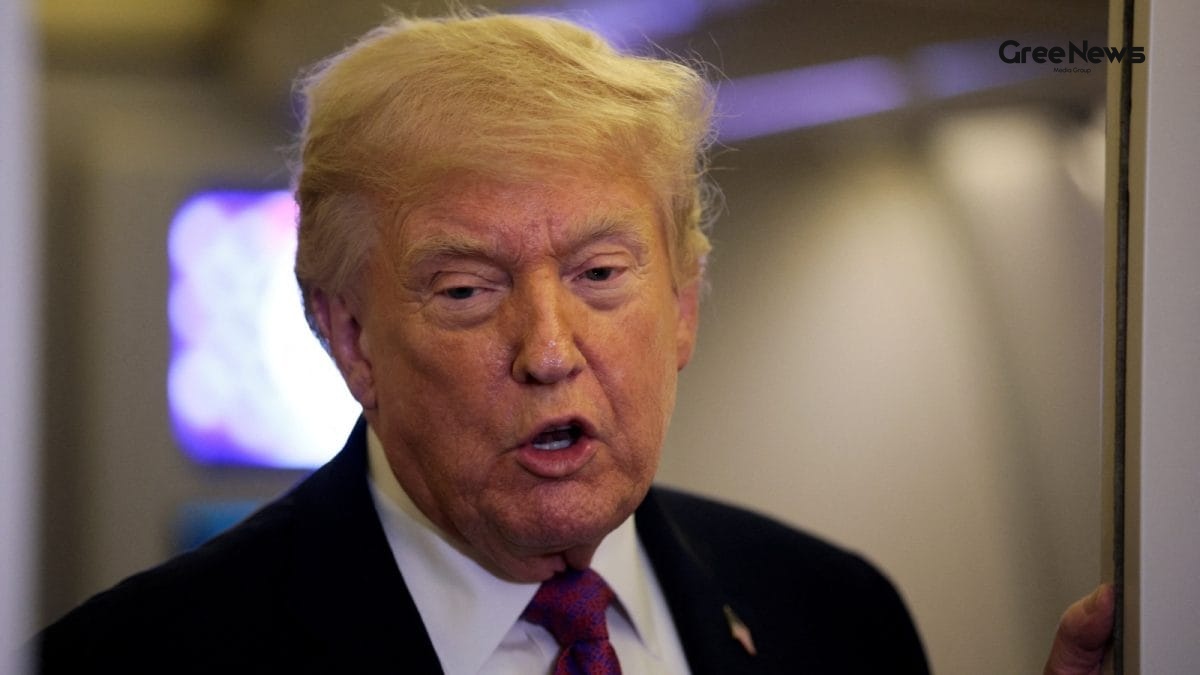
So, I was watching the news on a Saturday morning, sipping chai, when Donald Trump popped up on the screen saying there had been "some good news" about the war in Iran. He sounded a bit upbeat at first, but then he quickly shifted tone and warned that the cease‑fire could disappear by mid‑week if the second round of talks with Tehran didn’t produce a solid deal.
He told reporters on Air Force One, "We had some pretty good news 20 minutes ago, but it seems to be going very well in the Middle East with Iran. You’ll hear about it. I just think it’s something that should happen… I think it will. We’ll see what happens." It felt like a mix of optimism and a cautionary note a typical "you know" moment where he hopes for a positive outcome but is ready for the worst.
In most cases, when leaders say "some good news" they usually mean a small diplomatic win or a step forward in negotiations. For us in India, it became part of the latest news India that many of us were tracking, especially since any shift in the Middle East can ripple through our own energy markets.
Blockade and the Strait of Hormuz why it matters
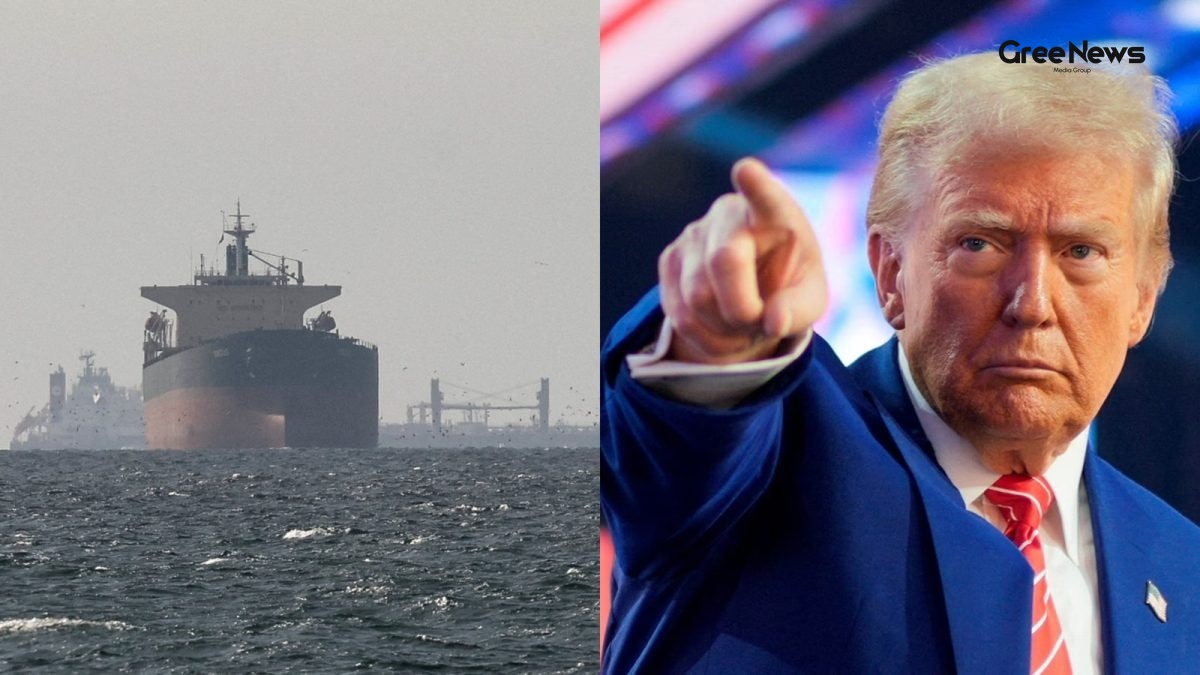
Trump also made it clear that the US Navy’s blockade in the Strait of Hormuz would stay in place even though Iran had temporarily reopened the waterway. He added, "Maybe I won’t extend it, but the blockade is going to remain. But maybe I won’t extend it, so you’ll have a blockade and unfortunately we’ll have to start dropping bombs again." This caught people’s attention because the strait is a narrow passage that carries roughly 20% of the world’s oil and gas supplies.
When I think about it, the strait is like the lifeline for many Indian oil refineries a bit like the highway that brings fuel to our cities. The fact that it was effectively unusable for commercial shipping after the February strikes caused oil prices to skyrocket, and that disruption was felt at every petrol pump across India. The news that the strait might close again if the blockade continues felt like a potential repeat of that painful episode.
Trump responded to a question about Iran imposing tolls or limiting movement in the strait with a firm "Nope. No way. No. Nope. The restriction is that you can’t do the tolls. No, there’s not gonna be tolls." He seemed to want to reassure that the US would not allow Iran to use tolls as a bargaining chip.
Later, in a post on his Truth Social account, he wrote in all caps that the Strait of Hormuz is "completely open and ready for business and full passage," but that the naval blockade would remain "in full force and effect as it pertains to Iran only, until such time as our transaction with Iran is 100% complete." He also mentioned that Iran had aGreed to never close the strait again a claim that many analysts are still verifying.
Negotiations in Islamabad what’s next?
The next round of talks is slated to happen in Islamabad, and that’s where the spotlight shifts for many Indians who keep an eye on diplomatic efforts through the lens of trending news India. The first round of talks ended without a deal, so the pressure is on both sides to find common ground quickly.
While the original piece mentioned a specific date, I’ve stripped that out to keep the focus on the negotiations themselves. The expectation is that officials from the United States and Iran will sit down before the week’s end, hoping to hammer out a long‑term aGreement that can replace the two‑week cease‑fire. If they fail, Trump hinted that the US might have to "start dropping bombs again," a scenario that would likely trigger a fresh wave of viral news.
From a practical standpoint, many of us in India watch these talks as part of our daily news feed because any escalation could affect oil imports, which in turn impact everything from transport costs to the price of a cup of chai. The whole situation feels like a high‑stakes game of chess, and each move is being dissected on social media platforms.
Iran’s response and the broader geopolitical picture
Iran’s parliamentary speaker, Mohammad Bagher Ghalibaf, warned that if the US maintains the blockade, the strait would not stay open. He said that any passage would have to follow a "designated route" with Iranian authorization. This statement underscores how seriously Tehran takes the control of the strait it’s not just a waterway, but a strategic lever.
Trump, on his part, has also claimed that the United States will recover Iran’s stockpiles of enriched uranium. Iran’s foreign ministry spokesperson, Esmaeil Baghaei, countered that the material would not be transferred anywhere, adding another layer of complexity to the diplomatic puzzle.
All these back‑and‑forth statements have turned the whole episode into a piece of breaking news that spreads quickly across Indian social media feeds. Many people were surprised by the stark contrast between Trump’s optimistic “some good news” and his stark warning about possible bombings.
Why this matters to India and the everyday person
For us regular folks, the headline might seem far removed from daily life, but the ripple effects are very real. The Strait of Hormuz is a crucial artery for crude oil that ultimately ends up in Indian refineries. When that route faces uncertainty, we see price hikes at the pump, increased freight costs for goods, and even impacts on our power bills.
During the last closure, I recall my neighbour complaining about the sudden jump in diesel prices, and my own family had to tighten the household budget. So, every bit of news about the strait reopening or the possibility of a renewed blockade feels like personal news it’s part of the latest news India that we all keep an eye on.
Moreover, the conversation around the US‑Iran talks has become a trending topic on many Indian news portals. The mix of diplomatic jargon and the threat of military action makes it easy for the story to become viral news, especially when influencers add their own spin.
Looking ahead what could change?
If the upcoming negotiations in Islamabad succeed and a long‑term deal is signed before Wednesday, the immediate risk of a renewed US bombing campaign could subside. The blockade might still stay, but at least the most aggressive scenario would be avoided.
On the other hand, if talks break down, we might see an escalation that forces the United States to reconsider its stance, possibly leading to a renewed wave of air strikes. That would once again disrupt the flow of oil through the strait, sending shockwaves through the global market and for us, that means higher fuel costs and a potential impact on the cost of goods.
In any case, the situation is fluid, and the best we can do is stay tuned to reliable sources, watch the developments as part of the breaking news feed, and maybe keep a spare bottle of cooking oil at home a little preparation never hurts.