Why I started worrying about US missiles while watching the news over my chai
So there I was, scrolling through my phone during a quick break at work, when a breaking news alert popped up about US missile usage in the Iran conflict. I thought, “Okay, that’s on the other side of the world, why should I care?” But then I remembered the recent talks about India’s own defence procurement and the fact that the US is a major supplier of advanced weaponry to us. Suddenly the story felt less like distant viral news and more like something that could shape India’s security landscape. That’s when I decided to dig deeper, and what I found was quite eye‑opening.
Heavy use of key missiles the numbers that shocked the experts
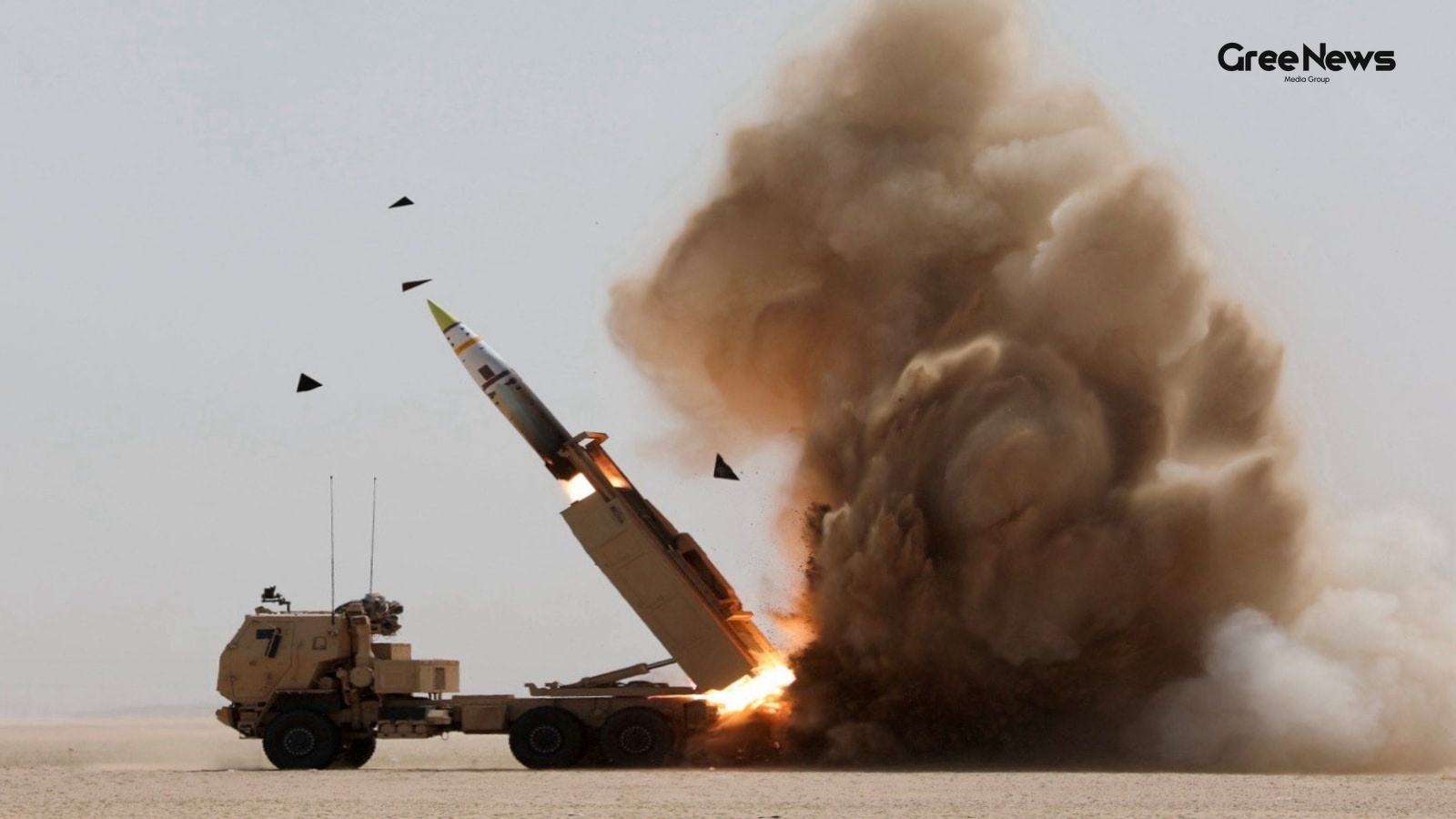
According to a report I read on a major US network, the United States has already burned through a massive chunk of its air‑defence inventory. Imagine this: almost half of the Patriot missile stockpile is gone. And it’s not just Patriot; more than half of the THAAD interceptors, which are the ones designed to knock down long‑range ballistic threats, have also been expended. On top of that, about 45 percent of the new Precision Strike Missiles (PrSMs) have been launched.
These figures aren’t just random guesses. They come from an analysis done by the Center for Strategic and International Studies, and they line up closely with internal Pentagon data that was shared with a few sources. The numbers are so stark that they have even made their way into daily conversations on Indian news portals, where people are now linking the US depletion story to discussions about our own missile programmes.
- Patriot Missiles: almost 50 % of the total stockpile depleted
- THAAD Interceptors: over 50 % of the inventory expended
- Precision Strike Missiles (PrSMs): more than 45 % of the stockpile used
What happened next is interesting the story started trending on social media, and you could see how many Indian netizens were "shocked" by the sheer scale of the usage. Some even began comparing these losses to the reserves we have for our own indigenous missile projects.
Arsenal depletion beyond the headline missiles
It’s not only the Patriot and THAAD that are feeling the heat. The report also flagged that around 30 percent of the Tomahawk cruise missiles have been used. And that’s just the tip of the iceberg. More than 20 percent of the long‑range Joint Air‑to‑Surface Standoff Missiles (JASSM‑ER) are gone, while the stock of SM‑3 and SM‑6 interceptors the ones that protect ships from ballistic missiles have each dropped by roughly 20 percent.
Experts say this level of consumption has created serious gaps in US military readiness. While the US may still have enough firepower to keep the pressure on Iran for now, the overall reserve is no longer strong enough for a major conflict elsewhere. In fact, some analysts in India have started using these numbers as a cautionary tale for why we need a robust, independent defence industrial base.
Imagine if we were in a similar situation a prolonged border standoff that ate up half of our air‑defence missiles. The thought alone would make any defence planner sit up straight. That’s why the whole story has become a kind of "viral news" sensation, not just in the US but across the subcontinent.
What could happen if another war erupts?
Military experts have warned that the current depletion creates a “near‑term risk” if the United States gets pulled into another major confrontation, especially against a near‑peer rival like China. Mark Cancian, a retired Marine Corps colonel and co‑author of the study, mentioned that the heavy use of munitions has opened a period of vulnerability, particularly in the western Pacific.
He added that rebuilding the stockpiles to pre‑war levels could take anywhere from one to four years, and reaching the desired “full strength” might take even longer. That timeline is pretty sobering when you think about the fast‑moving strategic environment in the Indo‑Pacific a region where India also has major interests.
This caught people’s attention in Indian defence circles, because if the US faces a shortage, it could affect joint exercises, technology transfers, and even the speed at which we receive certain defence kits that rely on US components.
Missile production why the refill isn’t happening overnight
The Pentagon has already signed new contracts aimed at cranking up missile production. However, the timeline for delivery remains painstakingly slow. Even with expanded manufacturing capacity, officials say replacing key systems could take three to five years.
There’s also a historical factor at play past under‑ordering has made the current situation worse. The report notes that when the United States didn’t place large enough orders in the years leading up to the conflict, the supply chain never built the extra capacity needed for a sudden surge in demand. The contracts signed now are expected to help, but immediate relief is unlikely because the short‑term output is low.
For us in India, this narrative reinforces why we’ve been pushing for domestic production of similar systems like the Akash and the Advanced Air Defence (AAD) missile. If a major power can’t instantly replenish its own stock, the case for self‑reliance becomes even stronger.
Official US response confidence amid depletion
Despite the worrying numbers, US officials have repeatedly said that the military remains fully capable. Pentagon spokesperson Sean Parnell told reporters that the armed forces have what they need to carry out operations anytime, emphasizing successful missions completed under the current administration.
That stance, however, seems at odds with recent funding requests. President Trump has asked for additional resources to boost munitions, openly acknowledging the strain caused by the Iran conflict. He’s walking a fine line on one hand, saying the US isn’t “running short,” and on the other hand, admitting the need to preserve high‑end weapons for future use.
When I compared this to statements from Indian defence officials, the contrast was striking. While the US tries to project unwavering confidence, we have become more cautious, often highlighting the importance of building strategic reserves for long‑term stability.
Warnings before the war were they ignored?
Concerns about the dwindling stockpiles didn’t start with the conflict. Senior military leaders, including Joint Chiefs Chairman Gen. Dan Caine, warned months before that a protracted campaign could drain supplies, especially those supporting allies like Israel and Ukraine.
Since the war began, lawmakers have echoed these worries, pointing out that Iran still possesses a sizable missile and drone arsenal, which could prolong the strain on US resources. In India, similar warnings have been raised about the need to maintain a buffer of missiles should tensions with neighbours flare up.
Many people were surprised to see how quickly the usage rates piled up. The fact that the war is now in its seventh week and the US already faces such a depletion underscores how modern conflicts can eat up even the most advanced stockpiles faster than anyone anticipated.
Balancing pressure on Iran with global readiness the tightrope walk
As the ceasefire holds for now the United States is caught in a delicate balancing act. It has to keep up the pressure on Iran, yet it cannot afford to weaken its position in other critical theatres. The current situation highlights just how quickly modern warfare can drain even a superpower’s resources.
In most cases, the US will try to negotiate a longer‑term solution, but the reality is that the war has already taken a toll on crucial missile stockpiles. This caught peoples' attention across Indian newsrooms, where analysts are now debating whether the US will have to lean more on allies like India for logistical support in the future.
What happened next is something I’m still watching closely will diplomatic talks ease the burden, or will the depletion continue to grow as the conflict drags on? The answer will likely shape not only US defence policy but also have ripple effects on India’s own strategic calculations.
What this means for India echoes in our own defence debates
For Indian readers following the latest news India feeds, the takeaway is clear: a superpower can’t take its missile reserves for granted. The depletion of Patriot, THAAD, and other high‑end systems serves as a reminder that stockpile management is as crucial as developing new technology.
Our own defence establishment has been vocal about the need to ramp up indigenous production, reduce reliance on foreign supply chains, and create strategic reserves that can survive a drawn‑out conflict. The US story, in many ways, reinforces those arguments.
Moreover, the fact that the US is seeking more funding to replenish its munitions could open up opportunities for Indian defence firms to collaborate on production contracts a potential win‑win if the timing lines up.
In short, while the war is far away, the impact of missile depletion has become a part of the trending news India conversation, and it’s shaping how policymakers think about future security challenges.