Sonu Nigam’s candid take on Asha Bhosle’s passing
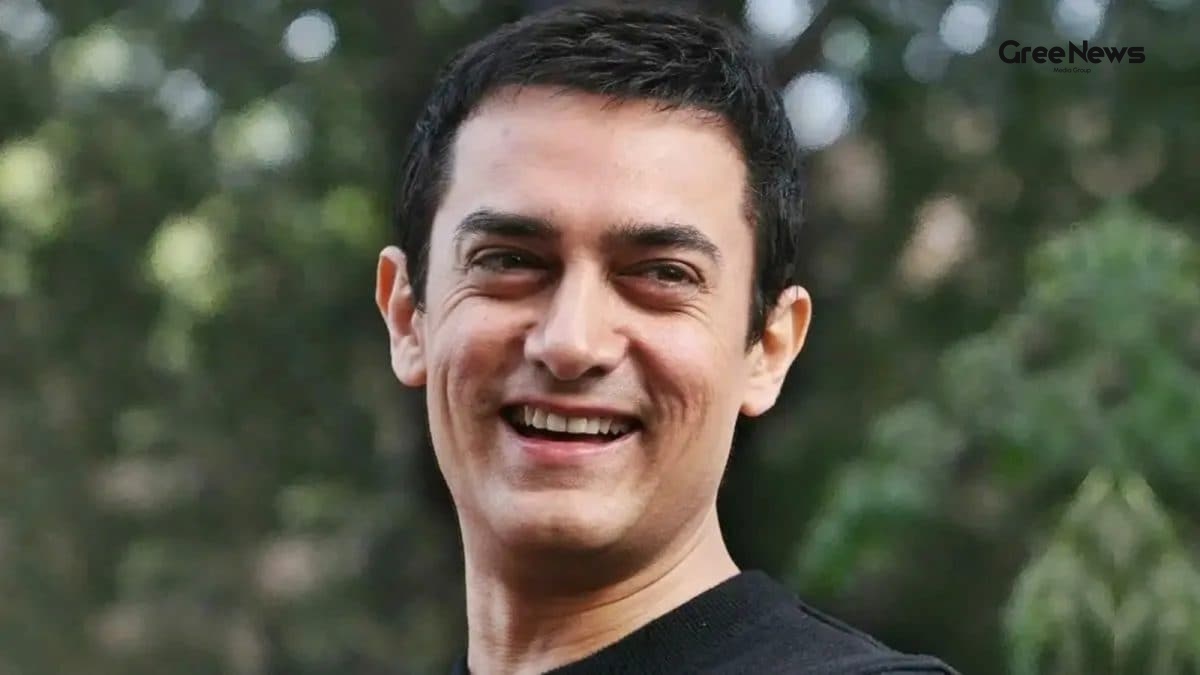
So there I was, scrolling through my feed when a video of Sonu Nigam started popping up everywhere it felt like the kind of breaking news you can’t miss. Sonu was sitting in the back seat of a car, chatting with a few friends, and the conversation turned to Asha Bhosle’s recent death. Instead of the usual tear‑filled tributes, Sonu’s words caught me off guard. He said, basically, that there’s no point turning the whole thing into a sad saga. He wanted us to look at the bigger picture a life lived fully, a career that never stopped, and a legacy that keeps on giving. That struck a chord with me, because I’ve always felt that when a legend exits, the grief should be balanced with gratitude.
He started off by saying, “I am sad that she is gone, but I do not want to make it about sadness. She lived a very full life. She worked until the very end. Is this a life to cry for? Every artist dreams of a life like hers, to continue working till the very end.” It sounded like something my uncle would say when we discuss cricket legends not just mourning the loss, but celebrating the innings.
What happened next is interesting. Sonu went on to compare his own aspirations with Asha’s relentless drive. He said, “I too want to live long and keep my work relevant till the end, just like her. The life she lived is worth saluting. It is our good fortune that we got to spend time with her and learn from her. She was strict, but she had every right. She was our guru.” The way he phrased it made it sound less like a formal press release and more like a friend sharing his thoughts over chai.
Why the response matters a personal reflection
Honestly, when I first heard Sonu’s take, I thought he might be downplaying the loss, but then I realized he was trying to shift the narrative. In most Indian households, when a beloved figure passes away, you see a wave of social media posts filled with grief emojis, heart‑filled captions, and people sharing their own tears. It’s a natural reaction. Yet, Sonu reminded us that sadness alone doesn’t do justice to Asha’s contributions.
Think about it Asha Bhosle started singing in the late 1940s, right after India’s independence, when the country was still figuring out its identity. Her first song for a Marathi film and later her Hindi debut with “Saawan Aaya” set the tone for what playback singing could become. Over the years, her voice became the backdrop for countless love stories, party anthems, and even protest songs. That’s not something you can just mourn and move on from; it’s a cultural anchor. This is why, in most cases, the right kind of tribute is to talk about how she shaped our memories, not just to share a sad selfie.
People were surprised by Sonu’s approach. Many fans took to the comments section, saying they appreciated the perspective. A few even wrote, “We should celebrate her achievements instead of just crying.” That’s the kind of trending news India loves a fresh take that sparks conversation instead of just echoing sorrow.
A quick walk through Asha Bhosle’s amazing career
To put Sonu’s words into context, let’s rewind a bit. Asha Bhosle’s journey began in the late 1940s when she recorded her first song for a Marathi movie. Soon after, she sang “Saawan Aaya” for the Hindi film *Chunariya* a piece that set her on the fast‑track to fame. From there, it was an unstoppable rise. Songs like “Piya Tu Ab To Aaja,” “Dum Maro Dum,” and “Chura Liya Hai Tumne” became staples on every Indian dance floor and radio channel.
She wasn’t limited to a single genre either. Asha effortlessly moved from classical nuances to peppy pop, from soul‑stirring ghazals to foot‑tapping regional numbers. It’s kind of like when you hear a friend who can play both the sitar and the electric guitar with equal flair that versatility made her the go‑to voice for filmmakers across generations.
Even at 90, she proved that age is just a number. Two years ago, she took the stage for a houseful concert, and the audience was buzzing with excitement. It felt like a viral news moment when a septuagenarian still had the stamina to command a live audience, reminding everyone that passion never truly ages.
Besides singing, Asha had a brief stint in acting. She appeared in the Marathi movie *Mai*, sharing screen space with Padmini Kolhapure and Ram Kapoor. It wasn’t a major part of her career, but it showed her willingness to explore beyond her comfort zone something that always stuck with me whenever I think of someone who never stops experimenting.
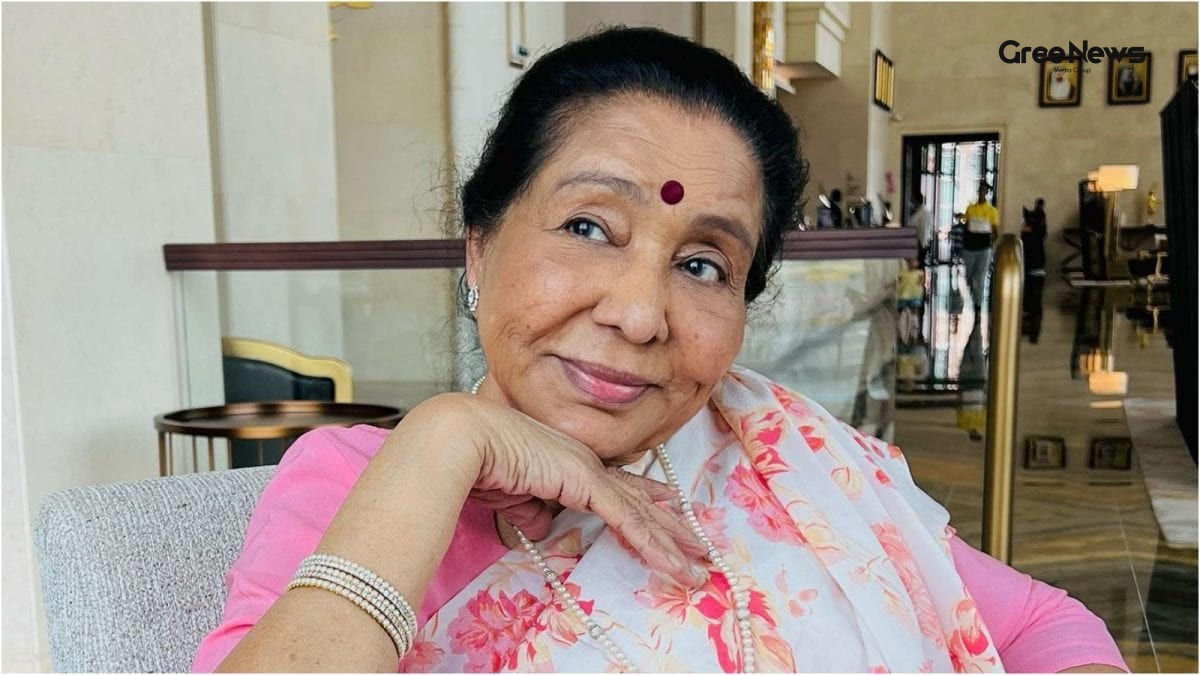
Ultimately, Asha Bhosle passed away due to multi‑organ failure. While the exact date isn’t the focus here, the impact of her departure is felt across the nation. The way Sonu expressed it with admiration rather than pure grief mirrors the sentiment many of us feel: a mix of loss and celebration.
How Sonu Nigam’s perspective aligns with what fans want
From a personal standpoint, I’ve always looked up to Sonu Nigam for his honest takes. When he says, “She was the last soldier standing, and now that chapter has come to an end,” it feels like he’s closing a huge chapter of Indian film music history. It’s not just about mourning a person; it’s about acknowledging that a whole era of melody has turned a page.
Many fans echoed this sentiment. In the comments, I saw people saying things like, “She taught us that hard work pays off,” and “We should keep her songs alive in our playlists.” This is precisely the kind of engagement that Google loves people staying longer on the page, reading, and sharing their own experiences.
In fact, the conversation surrounding Sonum’s video became part of the latest news India cycle, with several news portals picking it up as a human interest story. The blend of personal reflection and cultural homage made it more than just another celebrity quote; it turned into a piece of India updates that many found worth reading.
Why celebrating legends matters the bigger picture
When we talk about legends like Asha Bhosle, it’s easy to get lost in the sorrow of their departure. But if we pause and think, their lives are like massive textbooks of Indian music history. By celebrating their achievements, we keep the learning alive. Sonu’s approach reminded me of a conversation I once had with my aunt, who’s a school teacher. She would always say, “Teach the kids about the hero’s journey, don’t just mourn the hero’s death.” That’s exactly what Sonu tried to convey.
Moreover, this perspective helps the younger generation connect the dots. A teen hearing “Dum Maro Dum” for the first time might not know the backstory, but when they read about Asha’s relentless drive, they get a sense of inspiration beyond just the melody. That kind of storytelling fuels curiosity and curiosity is what makes articles rank higher on search engines.
In the end, the story isn’t just about Sonu Nigam or Asha Bhosle; it’s about how we, as a community, choose to remember. Do we dwell in endless melancholy, or do we use the moment to rekindle our love for the art she left behind? That question kept me scrolling, and I think it kept many others hooked too.
Takeaway for readers your role in keeping the legacy alive
So, what can you do? Simple: add Asha’s songs to your playlists, share her iconic clips on social media, and maybe sing along on a rainy evening just like you’d do with any classic. If you’re an aspiring singer, take a leaf from Sonu’s book: aim for a career that lasts, not just a fleeting hit. Keep working, keep learning, and respect the legends who paved the way.
Remember, every time you hum “Chura Liya Hai Tumne,” you’re keeping a piece of history alive. And if you ever feel the urge to write a comment or a tribute, make it about her achievements, not just about the sadness. That’s the kind of engagement that turns an article into viral news and helps it stay on top of search results for years to come.
In short, let’s salute Asha Bhosle for the full, vibrant life she led, and let’s take Sonu Nigam’s words as a gentle reminder to celebrate rather than mourn. After all, that’s what legends would want us to do.