Why the first look got postponed – my first reaction
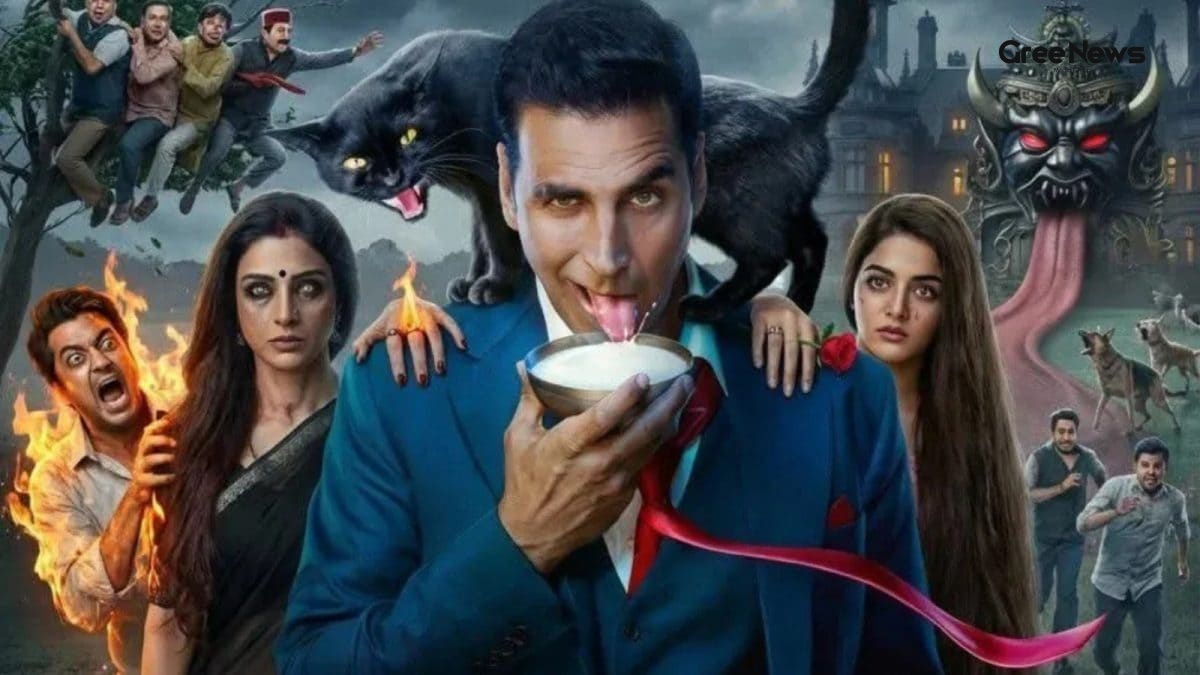
When I first saw the buzz on my WhatsApp groups about the new poster of Hai Jawani Toh Ishq Hona Hai, I was practically glued to my phone. Everyone was talking about Varun Dhawan’s stylish look, Pooja Hegde’s glam, and Mrunal Thakur’s quirky expressions. It felt like one of those moments when the whole neighbourhood suddenly stops for a selfie‑session, you know? But then, in the middle of all that excitement, the news broke – the legendary Asha Bhosle ji had passed away. It hit me like a sudden monsoon after a scorching summer.
Honestly, the first thing I thought was, “Should we still go ahead with the fanfare?” I felt a little uneasy, because even though we love the glamour of Bollywood, we also share a deep respect for the legends who built this industry. That’s why, when the film’s producers posted on their X account that the first look would be released a day later, I felt a wave of relief. It was as if the whole crew decided to step back, take a breath, and honour a voice that has been part of our lives for generations.
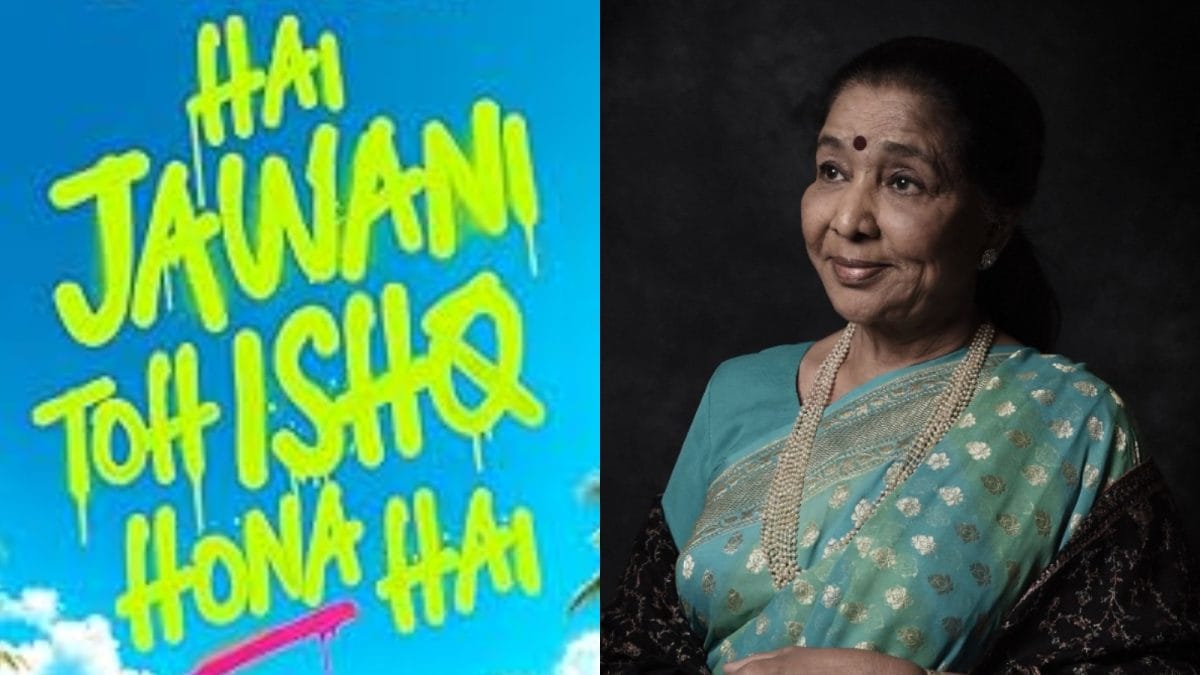
This decision wasn’t just a PR move – it felt genuine. The tweet read something like, “With the passing of legendary Asha Bhosle ji, we pause to remember a voice that shaped generations of music and emotion. As a mark of respect, we will now be releasing the first look of Hai Jawani Toh Ishq Hona Hai tomorrow instead of today, keeping her fans and family in our prayers. May her soul rest in peace.” Reading that, I could almost hear the faint echo of her songs playing in the background of my mind.
That simple line, “we pause to remember,” made me realise how intertwined our daily entertainment habits are with cultural icons. It’s like when a beloved train route is temporarily shut for maintenance – we’re inconvenience‑aware, but we understand it’s for a bigger good. In this case, the bigger good was paying tribute to a music legend.
How other studios reacted – the ripple effect
It wasn’t just the Hai Jawani Toh Ishq Hona Hai team that took a step back. Dharma Productions, which was gearing up to launch the title track of Chand Mera Dil, also announced a one‑day delay. Their official handle posted, “In honour of a legacy that has shaped generations, and with deep respect for the passing of the legendary Asha Bhosle, we are pushing the release of the Chand Mera Dil title track by a day.” The similarity in tone across both announcements felt like a collective sigh of respect from the whole film fraternity.
What caught my attention was the subtle way they framed it – not as a marketing strategy, but as a heartfelt gesture. They added, “This decision has been made as a mark of heartfelt respect and remembrance for Asha Bhosle, whose lasting impact on music continues to inspire generations.” Reading that, I felt a strange mix of gratitude and melancholy. It reminded me of the way families postpone big celebrations after a loss, giving space for mourning before moving forward.
Even the trending news apps and portals were quick to spotlight these postponements as part of the larger “India updates”. The narrative wasn’t just about the delay; it became part of the breaking news that highlighted the nation’s collective grief. In my daily scroll, I noticed the tag “viral news” popping up next to posts about Asha Bhosle’s songs, indicating how the story had quickly spread across social media platforms.
Asha Bhosle’s journey – why the whole country felt the loss
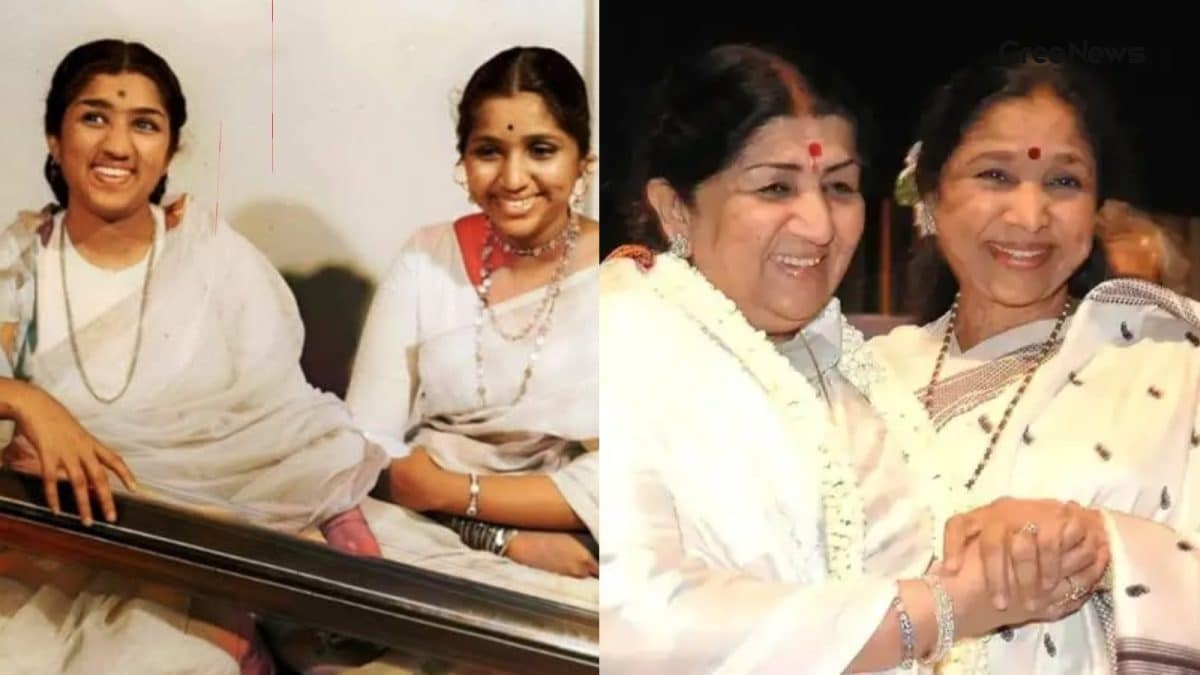
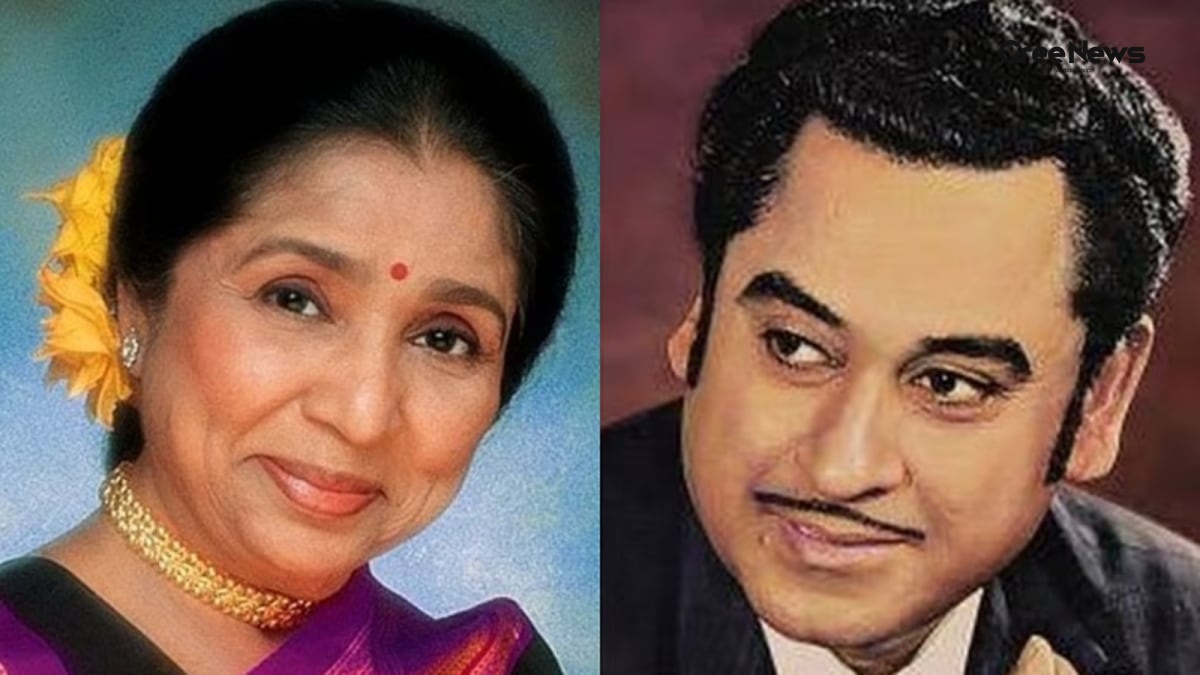
To understand why a film’s promo calendar would bend for a singer, you need to look at Asha Bhoske’s journey. She started singing in the 1950s and went on to record thousands of songs in Hindi, Marathi, Bengali, Tamil, and even foreign languages. Her voice was behind classic hits like “Piya Tu Ab To Aaja” and “Dum Maro Dum”. When I think of her, I remember my mother humming “Dum Maro Dum” while stirring chai, or my aunt dancing to “Chura Liya Hai”. These are not just songs; they are the soundtrack of our lives.
She was 92 when she passed away in Mumbai, and the doctors at Breach Candy Hospital said it was due to multiple‑organ failure. That detail might sound clinical, but it reminded me of the many times I’d seen headlines about her health, each one followed by an outpouring of love from fans. The fact that she lived such a long, prolific life made her passing feel like the end of an era, not just a personal loss for her family.
Her collaborations with legends like R.D. Burman, Laxmikant‑Pyarelal, and later with contemporary composers, showed her ability to reinvent herself. Even today, younger composers reach out for her voice because it adds a timeless feel to their tracks. That’s why the industry’s response felt instinctively compassionate – it’s a reminder that behind the glitz there are real human stories that shape our entertainment.
In most cases, when a senior artist passes, the younger generation feels an odd mix of awe and responsibility. Many of my friends, who are budding musicians, posted heartfelt messages on X, saying things like, “Your songs will forever be a part of our soul, Asha Ma’am.” It was a genuine expression of gratitude, and it made the decision to postpone the film’s first look feel even more appropriate.
What the fans said – a wave of emotions
Scrolling through the comments on the film’s X post, I saw a sea of emojis – tears, hearts, and even a few laughing memes that tried to lighten the mood. One fan wrote, “We can wait a day for a poster, but we cannot wait for Asha Ma’am’s voice. My heart is with her family.” Another added, “This is trending news India for a reason – it shows we still care about our legends.”
Many people shared stories of how Asha Bhosle’s songs were part of their wedding playlists, railway journeys, or late‑night study sessions. One user from a small town in Uttar Pradesh said, “I remember listening to ‘Chura Liya Hai’ on my FM radio while waiting for the bus. It still makes me smile.” Those anecdotes made the postponement feel like a common‑sense gesture, as if the whole nation was collectively holding a moment of silence.
There were also practical concerns. Some fans worried that the delay might affect the film’s marketing plan. But the overwhelming sentiment was that respecting a legend superseded any promotional calendar. In fact, the curiosity hook “what happened next is interesting” kept people engaged – everyone wanted to see the new poster when it finally dropped, now with an added emotional weight.
Even the media outlets framed the story with a blend of factual reporting and personal reflection, which made the news feel more relatable. I read a piece that started with “Remember that moment when you first heard ‘Piya Tu Ab To Aaja’? That’s the kind of memory that Asha Bhosle has left us with.” Such storytelling turned the event from a simple news bite into a piece of the nation’s collective memory.
Impact on the film’s promotion – does a one‑day delay matter?
From a marketing standpoint, a single day might seem trivial. Yet, in the world of Bollywood where every second counts, a delay can ripple across media buys, social media trends, and TV spots. However, in this case, the delay actually added a layer of intrigue. The phrase “deadline postponed as a mark of respect” caught the eye of many users who might have otherwise skimmed past a regular promo release.
When the poster finally went live the next day, it instantly became “viral news”. The comment sections were flooded with people saying, “Finally! The wait was worth it,” mixed with “We still remember Asha Ma’am.” The dual focus of celebrating new content while honoring a legend created a unique blend of excitement and solemnity. For me, that balance made the experience richer – it felt like watching a movie that starts with a tribute before the main show begins.
Moreover, the film’s team cleverly tied the homage into their own narrative. In the caption accompanying the poster, they wrote something like, “Just like Asha Bhosle’s music transcended generations, our story aims to capture the youthful spirit of love and adventure.” This subtle linkage turned the postponement into an opportunity for storytelling, rather than a setback.
In the end, the audience’s patience paid off. The poster was shared across multiple platforms, creating a fresh wave of “trending news India”. The conversation didn’t die after the release; it continued with fans dissecting the visuals, colors, and even the font choices, all while keeping Asha Bhosle’s legacy alive in the background.
Personal reflections – why I think this matters
Honestly, I’ve seen many instances where big events go ahead without a second thought about the larger cultural context. This time, the industry chose to pause. It reminded me of the simple respect we show elders in our households – we wait, we listen, we give space. That little act of waiting a day showed a humility that’s often missing in today’s fast‑paced promotional cycles.
It also sparked a personal conversation with my younger cousin, who asked, “Why do they need to postpone something for a singer?” I explained that Asha Bhosle isn’t just a singer; she’s a part of our societal fabric. Her songs have been background scores to our lives – from school exams to first love. Understanding that made my cousin appreciate the gesture, and it turned a mundane news update into a lesson about cultural reverence.
In the broader picture, such gestures feed into the “latest news India” landscape, where audiences crave authenticity. When a film’s promotional calendar aligns with public sentiment, it creates a stronger connection, making the content more shareable and ultimately boosting the reach of both the film and the tribute.
One thing I realized is that the line between entertainment and respect is thinner than we think. By choosing to delay, the makers of Hai Jawani Toh Ishq Hona Hai and Dharma Productions reminded us that fame comes with responsibility – the responsibility to honour those who paved the way. And that, my friends, is a lesson worth sharing with anyone who loves cinema or music.
Conclusion – looking ahead with gratitude
As the first look finally made its way onto my feed, I couldn’t help but feel a mix of excitement for the film and a lingering gratitude for Asha Bhosle’s timeless contributions. The short postponement turned into a moment of collective reflection, showing how the Indian entertainment world can come together in both celebration and remembrance.
Going forward, I think we’ll see more such gestures, especially as the industry becomes increasingly aware of its cultural responsibilities. For now, I’ll keep sharing these updates, hoping they become part of the “India updates” that keep us connected. And if you haven’t seen the poster yet, take a moment – you’ll notice how even a single day’s pause can add depth to a simple image, making it part of the larger story of respect, music, and cinema.
So, the next time you scroll through your feed and spot a “breaking news” headline about a film’s release, remember that behind the bright lights there are stories of legends, emotions, and the everyday people who cherish them. That’s what makes us keep coming back – not just for the glamour, but for the heartbeats that keep the industry alive.