How a Single Line Turned Into a Social Media Firestorm
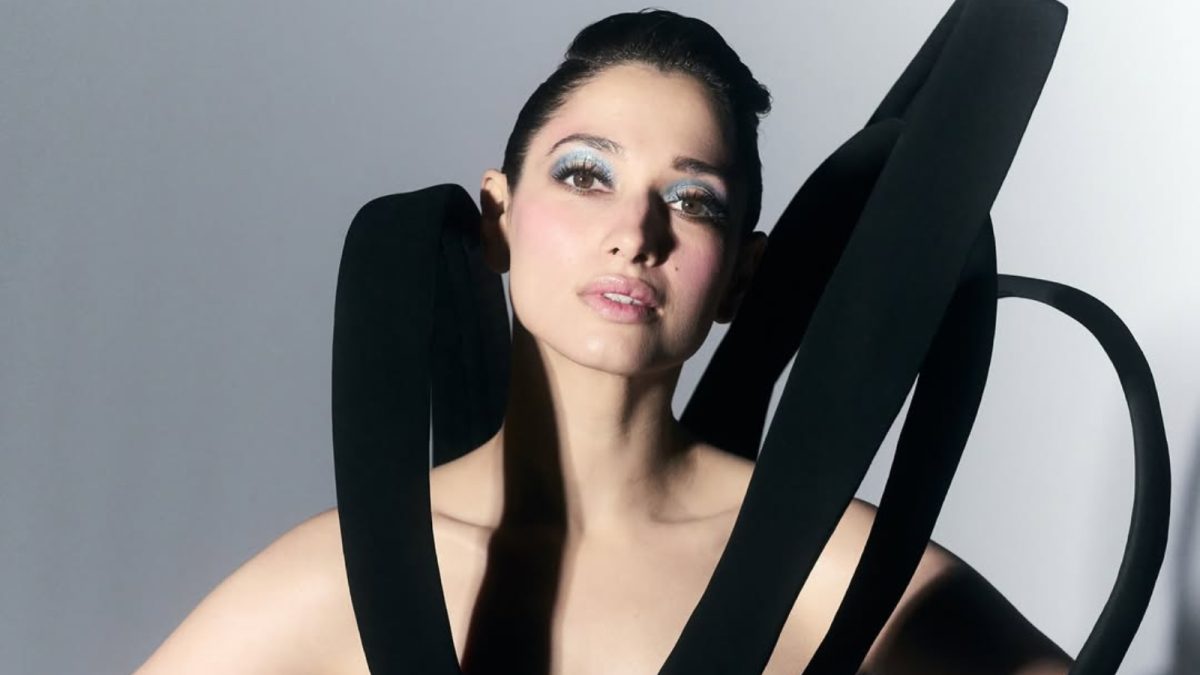
So, the other day I was scrolling through my feed, sipping masala chai, when a video of Sreeleela caught my eye. Sreeleela, you know, the Telugu actress who also holds an MBBS deGree, was speaking at the Ustaad Bhagat Singh success party. While talking about the hurdles she faces as a woman in the film world, she dropped a line that went straight to the comment section like a stone in a pond: "All of my songs, I can say, most of them at least have been appreciated. I have shot while I have been on my period, so that is not an excuse anywhere." Honestly, I didn’t expect such a blunt statement from someone who’s also a doctor.
What struck me, and later many netizens, was the way Sreeleela framed the whole idea of "physiological barriers". She basically said that we should push beyond them, that psychological and physiological limits are not valid excuses. In a world where we constantly hear about gender parity, that sounded empowering at first, but the reaction was anything but uniform.
What Sreeleela Actually Said – The Exact Words
During the event, Sreeleela said, "All of my songs, I can say, most of them at least have been appreciated. I have shot while I have been on my period, so that is not an excuse anywhere. When we want things in power, when we say we want things equally. I feel we have to push beyond physiological barriers. So psychological, physiological, all of this is not an excuse." The clip was uploaded on multiple platforms, even Reddit, and within hours the comment count started skyrocketing.
For many, the statement felt like a call to arms – a push for women to not let their bodies dictate their professional lives. But the backlash painted a different picture, showing that not everyone’s period experience is the same.
Why the Backlash Felt So Intense
The moment the video went viral, a flood of responses began pouring in. One user wrote, "I have had easy periods mostly, not very painful whereas my friends have terrible ones where they can’t move from the bed. It’s different for everyone, just because you can jump around doesn’t mean someone else can too." Another comment read, "What?! Period pains for others including me are excruciatingly painful, my sister who also suffers from PCOS at times while in her periods sometimes finds it hard to stand up because of the pain she gets. Gosh, people like her are a liability to women. And every single month we women go to work, raise kids, do everything while in such pain. So what excuse do we give?" A third voice added, "I have always had easy periods but two of my closest people suffer from such horrible periods that looking at them I can feel my own uterus hurting. I can’t imagine how horrible it feels for them. One of them recently found out that she suffers from such horrible period pains due to atypical placement of her uterus. So just because you have an easy time during periods don’t undermine the pain and suffering of other women who are suffering from horrible pain during periods. It’s 2026 ffs, are we still medically undermining women and calling their pain an excuse??!! Shame on her!"
What these comments highlight is that the Indian context is packed with varying experiences: from women in metro cities juggling corporate jobs to those in villages handling household chores while dealing with severe dysmenorrhea. The fact that Sreeleela is also a qualified doctor added an extra layer of scrutiny. Many felt that a medically trained person should have been more aware of the spectrum of menstrual pain and its impact.
My Own Take – How I Felt Reading the Debate
Honestly, when I first saw the video, I thought Sreeleela was just being motivational, urging everyone to "push beyond" any barrier. But as the comments kept coming, I realised how easily a statement can overlook lived realities. In my own life, I’ve seen classmates who could barely attend college lectures during heavy flow, while others – like my cousin – would go on a marathon of chores without a second thought. The difference isn’t just about personal willpower; it’s about medical conditions, socio‑economic factors, and sometimes just plain bad luck.
Also, being an Indian, I know how taboo the word “period” can still be. You rarely hear it spoken openly on a TV talk show, let alone used as a punchy line at a success party. So when Sreeleela said that period is "not an excuse", it felt like she was trying to normalise the conversation, but the execution missed the mark for many women who are still fighting stigma and severe pain.
In most cases, I think the intention might have been good – a push for gender equality in the workplace. Yet, we have to remember that equality also means acknowledging different needs, not just telling everyone to "just get over it". That’s the core of the criticism that has been coming at Sreeleela.
Sreeleela’s Upcoming Projects – What’s Next?
Amid the uproar, the headlines also mentioned Sreeleela’s career moves. Sreeleela is set to step into Bollywood with an upcoming film directed by Anurag Basu. In that project, Sreeleela will star alongside Kartik Aaryan, adding a lot of buzz given their rumored relationship. Meanwhile, Sreeleela is also confirmed for Dhanush’s next Tamil movie, which has already created a stir among fans of South Indian cinema.
Both these projects mark major milestones for Sreeleela, showing that despite the current controversy, the film industry is still betting on Sreeleela’s talent. The upcoming Bollywood venture with Anurag Basu could be a game‑changer, especially because Anurag Basu is known for his narrative style that mixes emotion with a dash of quirkiness – something that could suit Sreeleela’s acting range nicely.
Balancing the backlash with a looming Bollywood debut is not something Sreeleela has faced before. It will be interesting to see if the public’s perception shifts once the movies release, or if the conversation around the period comment continues to linger in every interview.
What This All Means for Public Figures in India
At the end of the day, the Sreeleela episode is a reminder that public personalities in India have to walk a fine line. They have a platform that can influence millions, but that platform also comes with responsibility. When a doctor‑actress like Sreeleela speaks on a health topic, people expect a certain deGree of sensitivity.
In most cases, the net result is a bigger conversation, which, despite the heat, might be a good thing. It forces us, as a society, to talk about periods openly, to consider how medical conditions affect work, and to think about how we can support each other without dismissing anyone’s pain.
So, while the comment "period is not an excuse" sparked outrage, it also opened doors for dialogues that many of us would have liked to have for a long time. Whether Sreeleela learns from this or not, the ripple effect is already visible across social media, news portals, and kitchen tables across India.