Why emotional intelligence feels like the ultimate Green flag for me
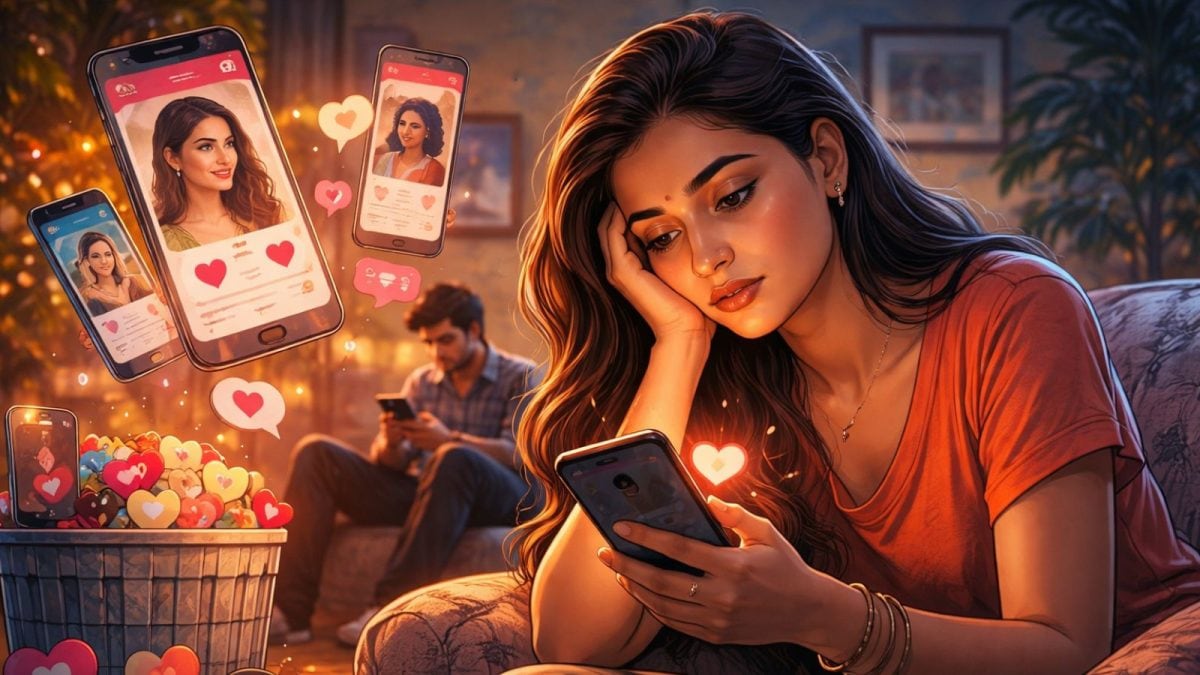
Honestly, when I first started using dating apps back in 2022, I was all about the glossy pictures and the cheeky one‑liners. I thought a sharp jawline and a well‑curated feed were the tickets to getting matches. But after a few months of ghosting, mismatched expectations, and a lot of awkward small talk, I realized that something else was missing – the ability to actually feel understood.
It wasn’t a single incident that changed my mind; it was a series of small moments. Like the time I matched with a guy who, instead of sending a generic ‘Hey’, shared a short video of a street musician playing my favourite bhajan. It was simple, it was personal, and it made me feel an immediate connection that no filtered selfie could have achieved.
From then on, I started paying attention to how people communicated, not just how they looked. I began to notice that those who asked thoughtful questions, remembered little details from our chats, or showed genuine curiosity about my day felt a lot more attractive, even if they weren’t the most gorgeous on paper. That’s when the term "emotional intelligence" started popping up in my mind as a sort of Green flag – a signal that someone is worth investing time in.
What the experts say: Emotional intelligence as the new Green flag
During a recent webinar I attended, Anirban Banerjee, Co‑Founder & Chief Marketing Officer of Flutrr, talked about this very shift. He mentioned that "Modern dating has moved beyond physical attraction. Women today assess potential partners through empathy, attentiveness and communication skills rather than just romantic gestures." That line stuck with me because it summed up what I was feeling – looks are still nice, but they’re not the whole story.
Banerjee also shared some numbers from Flutrr’s Great Bharat Romance Report 2026, which I found quite eye‑opening. According to the report, almost 60 per cent of users prefer to begin a conversation using music, quotes, or their mother tongue – basically anything that feels authentic rather than a clichéd opener. In my own experience, hearing a song lyric in Hindi or a line from a classic Bengali film instantly makes the chat feel more personal, as if the other person is trying to bridge the cultural gap.
He added that a "thoughtful message, a genuine question, or the ability to understand someone’s mood can create a stronger impression than a curated profile." This resonates with my own dating journey – I remember a friend telling me that he once replied to a profile picture with a comment about the colour of the sky in the background, and the girl loved that attention to detail. It’s these little things that stand out.
Emotional safety over surface‑level attraction
Talking to mental health professionals also gave this idea more weight. Dr Neetu Tiwari, a senior resident psychiatrist at NIIMS Medical College & Hospital in Greater Noida, emphasised that "Emotional intelligence has become a major attraction factor because women are prioritising emotional safety." She explained that empathy, compassion, and conflict‑resolution skills are crucial for building trust.
From a practical point of view, I’ve noticed that when a guy can talk about his feelings without turning it into a drama, or simply acknowledges when I’m having a bad day, I feel more at ease. Dr Tiwari said that such behaviour signals maturity and reliability – qualities essential for long‑term relationships. It’s not about grand gestures; it’s about consistent emotional support and respectful communication.
In most cases, I’ve seen that people who can express their own emotions clearly also tend to respect the other’s feelings. It’s a two‑way street, and that’s why emotional safety feels like a stronger foundation than just another pretty face.
How communication shapes modern romance
Digital dating, as we all know, strips away the physical cues we rely on in face‑to‑face meetings. This makes the quality of our text‑based communication even more important. Banerjee noted, "People now express attraction through emotional connection rather than appearance. The ability to interpret tone, respond thoughtfully and pick up on subtle cues builds trust and comfort."
For me, that means paying attention to how I phrase my messages. Instead of sending a short “hey” and waiting for a reply, I try to ask something specific – like "How was your chai at that new café you mentioned?" It shows I’m listening and that I care about the little details.
Rhea Paul, a 29‑year‑old marketing professional from Kolkata, shared a similar sentiment during a panel discussion: "A good‑looking profile might catch my eye, but it’s the conversation that makes me stay. If someone listens, responds thoughtfully and remembers the little things, that’s what stands out." Her words mirror my own experience – after a few weeks of chatting with a guy who kept recalling the anecdotes I shared, I felt an undeniable sense of being valued.
These examples highlight a growing preference for depth over display. In most cases, the subtle cues – a well‑timed emoji, a reference to something I mentioned earlier – turn a casual chat into something that feels genuine.
Personal anecdotes: When empathy won over looks
Let me tell you about a particular incident that really cemented this idea for me. I matched with someone named Arjun who wasn’t the tallest or the most chiseled – his photos were taken in a modest backyard, and his smile was a little shy. Yet, his first message wasn’t a cheesy pickup line. He sent me a lyric from a classic Bengali Rabindra Sangeet, something I love deeply because my mother used to hum it while cooking.
Instead of replying with a simple "thanks," I told him how that song reminded me of my grandmother’s kitchen. He then asked about my favorite dish, and we ended up discussing the best street food stalls in Kolkata. Over a week of texting, he showed genuine curiosity about my family, my work stress, and even my occasional bouts of anxiety before big presentations. He never tried to impress me with bragging or flashy emojis – it was just a steady flow of thoughtful conversations.
When we finally met, his warmth in person matched the emotional safety I felt online. I realised that his emotional intelligence – his ability to listen, to mirror my feelings, and to respond with empathy – was far more attractive than any physical trait could be.
On the flip side, I recall another match, Priya, who had an impressive portfolio and striking photos. However, her messages were short, often just a "hey" or a generic compliment. Even after a few days, there was no depth, no effort to know me beyond the surface. The conversation fizzled out quickly, and I felt a slight disappointment. In hindsight, the lack of emotional connection made the interaction feel hollow.
These experiences have taught me to value emotional cues more than superficial aesthetics. It’s not that looks don’t matter at all – they still catch attention – but they’re just the starting point. The real work begins when we see how someone makes us feel through words and actions.
Practical tips to showcase emotional intelligence on dates
If you’re reading this and wondering how to incorporate more emotional intelligence into your own dating game, here are a few simple things that have worked for me and many friends:
- Use your native language or a favourite song lyric in the opening message – it instantly adds authenticity.
- Ask open‑ended questions that invite the other person to share feelings, not just facts. For example, “How did that project make you feel?” rather than “Did you finish the project?”
- Remember small details. If someone mentions they love mangoes, bring up mangoes later in the conversation.
- Practice active listening by paraphrasing what they said – "So you’re saying that…" – this shows you’re truly engaged.
- Be honest about your own emotions. If you’re nervous, say so. Vulnerability often encourages reciprocity.
These small habits align with what Banerjee and Dr Tiwari have highlighted – that empathy, attentiveness, and genuine communication are now core components of attraction.
Looking ahead: What this means for the future of Indian dating
As we move forward, I think we’ll see even more emphasis on emotional intelligence. The pandemic taught many of us how important emotional support is, and dating apps are slowly adapting – some now include mood indicators or prompts that encourage deeper self‑disclosure.
In most cases, the trend will likely push the industry to develop features that go beyond simple swipes – like personality quizzes, conversation starters based on cultural preferences, or perhaps even AI‑driven suggestions that highlight emotional compatibility.
For those of us navigating love in India, the message is clear: while a handsome face still catches the eye, it’s the heart and mind that keep the connection alive. By focusing on empathy, attentive listening, and honest communication, we’re not just looking for a momentary spark, but a lasting, emotionally safe partnership.
So, the next time you’re about to swipe right, ask yourself – does this person show signs of emotional intelligence? If yes, you might just have found your new Green flag.