How Samay Raina’s comeback turned my phone into a billboard
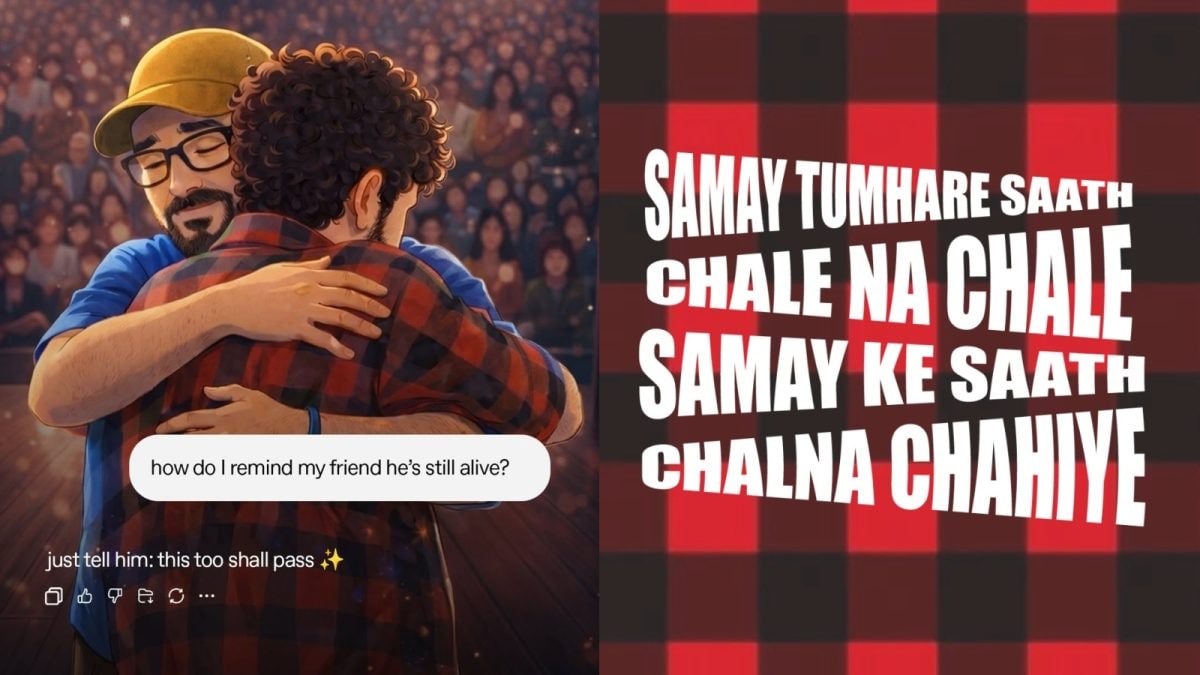
Honestly, the moment I saw Samay Raina’s new video pop up on my feed, I thought, “Finally, some fresh comedy!” but what happened next was something I hadn’t expected at all. Within a few minutes, the same video was being shared, re‑shared and meme‑d – but every share had a brand’s logo or a witty tagline glued to it. It felt like my Instagram was turned into a giant billboard for every brand that could think of a pun.
I was sitting on the balcony, sipping a strong cup of chai, when the first brand‑sponsored meme appeared. It wasn’t just a random ad – it was a clever twist on Samay Raina’s punchline, and right there, a popular soda brand had written, “Refresh your jokes, just like a fresh sip of the drink!” It was weirdly satisfying, and I could see my friends commenting, laughing, and then tagging the brand themselves.
The sudden rush of brands – it was like rush hour traffic on the internet
In most cases, brands take their time to plan a campaign, but this time they seemed to have sprinted onto the scene. Within an hour of Samay Raina’s video going live, I could see posts from fashion labels, snack companies, and even a few local tea stalls boasting special offers. It was as if every marketer had a button labelled ‘Samay Raina’ and they pressed it at the same time.
One brand, for example, posted a short clip where Samay Raina’s laugh was synced with a commercial jingle for a popular biscuit brand. The caption read, “When you hear the crunch, you’ll laugh just like Samay Raina!” It felt organic, but deep down I knew it was a well‑orchestrated move to catch the wave of excitement.
Even the local mom‑and‑pop stores I pass by on my way to college joined in. A “Kachori Corner” on the main road put up a sign that read, “Kachori’rrr! Get a free bite when you quote Samay Raina’s line from his latest skit!” It was hilarious, and it made the whole neighbourhood feel part of a bigger conversation.
Creative wordplay – brands tried to be as funny as Samay Raina himself
Brands didn’t just slap a logo onto a meme; most of them tried to be witty, almost like they were trying to match Samay Raina’s own humor. I saw a toothpaste brand that used the phrase “Brighten your smile, brighten your punchlines” with a still of Samay Raina holding a toothbrush. It was a bit cheesy, but somehow it worked because the humor was relatable – we all love a good pun.
Another example was a telecom company that posted, “Stay connected, even when the jokes lag.” The image featured Samay Raina’s confused expression from a skit where the internet was buffering. It was clever, and I swear a few of my cousins started using that line in their WhatsApp chats.
Even the “top videos” section on the site seemed to get hijacked. The heading “top videos” appeared under a banner that said, “Samay Raina’s comeback is the top video of the day – and brands are watching too!” It was like a meta‑joke, acknowledging the hype while feeding it.
Swipe left, swipe right – the endless stream of brand‑filled content
Scrolling through my feed felt like an endless carousel of Samay Raina references mixed with brand slogans. One after another, there was a “Swipe Left For Next Video” prompt, but each next video was not just the original Samay Raina clip – it was a brand‑edited version with added graphics. The first video had a coffee brand’s logo appear every time Samay Raina took a sip in the skit. The second video was a fast‑food chain that edited in a burger whenever Samay Raina talked about ‘taste’. It was funny, but also a little overwhelming.
What struck me the most was how seamlessly the brands integrated their messages. They didn’t just tag Samay Raina’s name at the end; they built the entire creative around his jokes. That made the adverts less intrusive and more like a part of the comedy itself.
Even the “Israel Iran War News” and “Iran US Ceasefire” bold lines that appeared in the article felt oddly placed, almost as if the page was trying to balance serious news with the light‑hearted buzz. I think the editors wanted to keep the page varied, but it also reminded me how quickly the internet can shift from one topic to another.
What it felt like for a regular user – my personal take on the hype
Honestly, at first I felt a bit annoyed. My timeline, which usually shows family photos and news about the cricket match, was suddenly a giant collage of brands trying to be funny. But then I started to enjoy it. It was like watching a group of friends trying to out‑wit each other – each brand trying to be a little sharper than the last.
I even tried creating a meme of my own, using a screenshot from Samay Raina’s video and adding a line about my favourite local chaayos. I posted it on my Instagram story, tagged the brand and used the hashtag they were pushing. To my surprise, the brand reposted it! That little interaction made me feel part of the larger conversation, like I wasn’t just a passive viewer but a participant.
Another thing I noticed was how the buzz crossed generations. My older aunt, who usually skips TikTok, saw a short clip on WhatsApp where a tea stall used Samay Raina’s catchphrase to promote a new masala chai blend. She laughed and said, “Even the tea sellers are learning new jokes now!” It showed how Samay Raina’s comeback bridged the gap between young and old, with brands acting as the middlemen.
Daily life in India – why the hype felt so natural
In India, we love a good joke and we love a good deal – it’s part of our daily routine. When Samay Raina, a comedian many of us grew up watching on YouTube, comes back with fresh content, it’s almost like a festival. Brands, aware of this cultural sentiment, quickly rode that festive wave, offering discounts and special offers tied to his jokes.
Take the local railway station food stall that put up a board saying, “Get a free samosa when you quote Samay Raina’s line about ‘trains that never arrive’.” People actually started quoting that line while waiting for their trains. It made waiting time feel shorter, and the brand got a lot of free publicity. It’s a simple example of how the buzz seeped into everyday moments.
Observing the clever tactics – a behind‑the‑scenes look
Looking closely, I could see a pattern in how brands approached the trend. First, they used Samay Raina’s most recognizable gestures – his laugh, his exaggerated hand movements – and then they overlaid their product in a way that felt natural. Second, they used short, punchy copy that mirrored Samay Raina’s style: simple, direct, with a twist.
For instance, a mobile payment app posted a short video where Samay Raina pretended to pay with cash, then a quick edit showed the app logo and the tagline, “Pay smarter, laugh louder.” The copy was short, exactly like Samay Raina’s jokes, and the visual was instantly recognizable.
Even the colour schemes were chosen carefully – bright, eye‑catching colours that matched Samay Raina’s energetic presence. It made the ads stand out in a sea of generic posts and forced the audience to stop scrolling, at least for a moment.
Impact on brand perception – did the buzz help or hurt?
From my perspective, the buzz mostly helped the brands. By associating themselves with Samay Raina’s humour, they seemed more relatable, more in‑touch with the younger crowd. The comments sections were filled with jokes, emojis, and even applause emojis, meaning users were engaging positively.
However, there were a few missteps. One brand tried to force a joke about politics onto Samay Raina’s clip, and the reaction was mixed. People felt it was a bit tasteless, showing that while the trend was a great platform, it needed to be handled with care.
Overall, the experience taught me that when a popular figure makes a comeback, brands can ride that wave successfully if they keep the tone light, respect the original humor, and avoid over‑commercialisation.
My personal takeaway – what I learned from this digital carnival
Watching Samay Raina’s comeback turn into a brand playground made me realise how powerful social media is in India. A single piece of content can ignite a massive marketing push almost instantly. It also showed me that humour is a universal language that brands can use to connect with audiences, as long as they stay genuine.
For me, the experience was also a reminder to stay critical. While I enjoyed the memes and the witty ads, I also kept an eye on whether the brand messages were too pushy. In the end, it was the balance between entertainment and advertisement that kept me scrolling.
And honestly, I am looking forward to Samay Raina’s next move. If his comeback can generate this much buzz, I can only imagine what a new video will do, and how brands will once again try to catch up. Until then, I’ll keep my phone close, my chai hot, and my meme‑making skills ready.