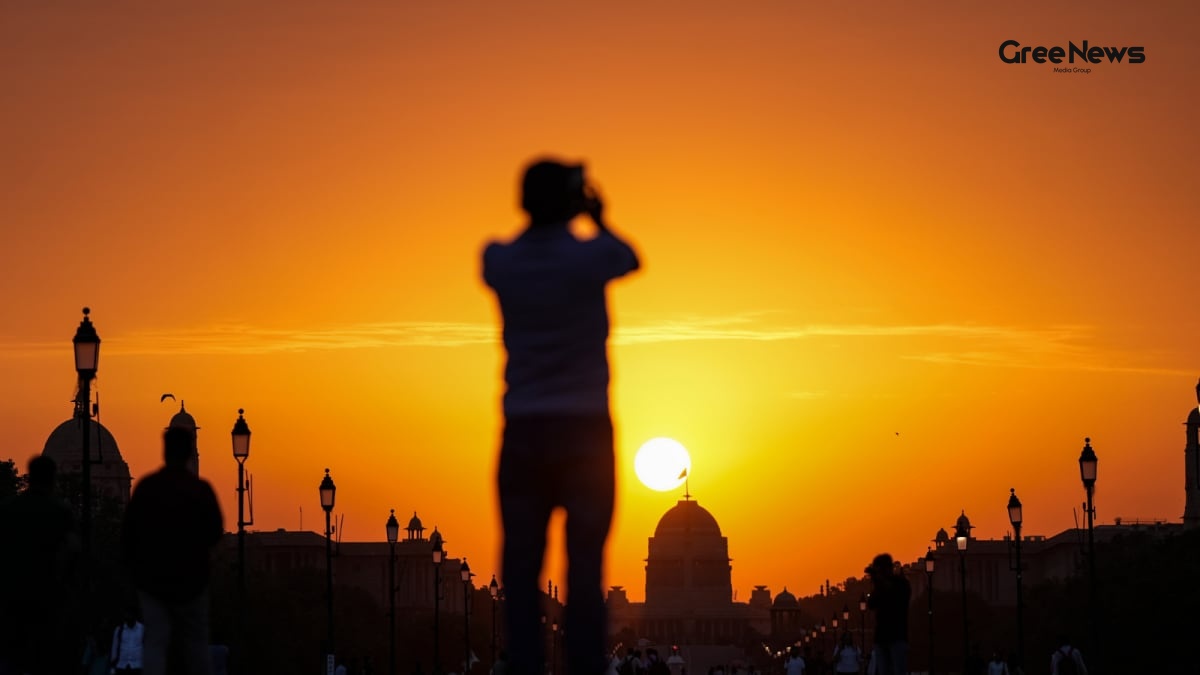
Meteorologists are pointing to a 'perfect storm' of atmospheric factors that have effectively turned the Indian landmass into a giant heat trap
Honestly, when I stepped out of my flat in Kolkata early this morning, the moment the door swung open I felt like I was walking into an oven. The air was so thick and hot that even my breath seemed to steam a little. I could see my neighbour’s dog panting like it had just run a marathon, and the street vendors were already wiping sweat off their foreheads while trying to keep their chaat fresh. It was one of those moments that makes you realise how quickly the weather can turn from a simple summer to something that feels like a crisis. And guess what? It’s not just me feeling it the latest news India shows that 19 out of the world’s 20 hottest cities are now sitting right here in our own backyard.
What’s really startling is that the city topping this scorching list is Medinipur in West Bengal, where the thermometer has risen to an eye‑watering 45 °C. I’ve never seen anything like that in my life, and I’m sure many of you have probably heard the same on breaking news channels. The heat now feels like a permanent resident rather than a fleeting guest. In most cases, the Indian summer starts feeling harsh in May, but this year the heatwave decided to come early and stay stubbornly long. It’s like the atmosphere over us decided to lock us inside a giant pressure cooker. This is exactly what experts are calling a “perfect storm” of factors that have turned our subcontinent into a massive heat trap.
Why is the ‘heat dome’ refusing to budge?
So, what’s a heat dome? Think of it as a massive lid sitting on a pot of boiling water. This lid is actually a region of high pressure that sits over a particular area, preventing hot air from rising and cool air from flowing in. The air gets squeezed down, gets compressed, and heats up even more just like when you press a bottle of soda and it gets hotter. This phenomenon has been hanging over the Indo‑Gangetic plains and the eastern part of the country for weeks now. Imagine the dome as a heavy blanket that refuses to be lifted, trapping the sun’s rays and denying the land any relief.
What makes it worse is that this dome isn’t just a local thing; it’s part of a larger atmospheric pattern that’s being discussed in trending news India circles. The high‑pressure system pushes the air downwards, cutting off any cloud formation clouds that could have offered even a little shade or a “shower of mercy”. In cities like Medinipur and Asansol, the result has been relentless sunshine, with ground temperatures climbing day after day. I remember my grandpa saying that when the sun shines without any clouds for too long, the soil itself starts to radiate heat right back into the air, making everything feel hotter than the thermometer ever shows. That’s exactly what’s happening now the ground is like a giant slab of hot metal, and the air above it just gets hotter.
It’s also worth noting that the heat dome has been surprisingly stubborn. Even when we hoped for a passing storm, the dome just held its ground, like a stubborn bull refusing to move. This stubbornness is why the latest breaking news keeps mentioning the heat dome as the main antagonist of the season. And honestly, the more I talk to people on the street, the more I hear them say, “we’ve never felt it this bad before”. That’s a clear sign that this is not just a regular summer heatwave, but something far more severe, something that could reshape how we think about climate patterns in India.
How did the fading of ‘western disturbances’ fuel the fire?
Now, let’s talk about the western disturbances those extra‑tropical storms that usually roll in from the Mediterranean and bring a breath of cool air, a few clouds, and occasional showers to northern and eastern India. In most years, they act like a much‑needed “exhaust valve” for the heat, letting some of the built‑up warmth escape. But this year, those disturbances have been unusually weak and far apart. I remember last summer, when a western disturbance finally showed up, we all cheered because even a little drizzle made the day feel bearable. This year, it’s like the whole system decided to take a vacation.
The impact of this absence is huge. Without those cooling winds, the dry, hot air from the northwest the infamous “loo” that we all dread has been allowed to sweep across the plains unhindered. It’s as if the atmosphere gave a free pass to the heat, letting it swirl and stay longer. Moreover, because the air stays dry, there’s barely any evaporative cooling going on. The soil is bone‑dry, and a dry surface absorbs more solar radiation instead of reflecting it. I’ve walked through fields near my hometown and literally felt the heat radiating off the ground it’s like standing near a big hot plate.
Scientists are pointing out in viral news pieces that the lack of western disturbances is one of the core reasons the heat dome remains so entrenched. In most cases, these disturbances would have broken up the dome, letting cooler air sink in and dissolve it. Instead, they’re just not there. It’s a scary combination a strong heat dome on top, and no wind or rain to break it. That’s why many people are surprised by how quickly temperatures have spiked, and why the situation feels like a perfect storm of nothingness.
What role is El Niño playing in this surge?
Beyond the immediate culprits, there’s a bigger, global player in the background El Niño. This time, we’re dealing with a “Super El Niño” that’s been making the central and eastern Pacific Ocean unusually warm. Historically, strong El Niño events are linked to drier‑than‑average conditions across the Indian subcontinent, and that’s exactly what we’re seeing now. In most cases, El Niño messes with the jet streams, shifting them northward and leaving South Asia under a stagnant blanket of air.
What researchers are flagging as a concern in India updates is that this altered jet stream pattern is stalling the atmosphere over us, making it hard for any fresh, cool air to creep in. The result is not just this blistering heatwave, but also the looming threat of a delayed and weaker monsoon later in the year. For cities like Medinipur, which are already biting their nails at 45 °C, a postponed monsoon could mean even more stress on water supplies, agriculture, and public health.
I’ve been following some climate blogs and they keep mentioning that the current El Niño is one of the strongest in recent memory. This adds a layer of uncertainty that even the most seasoned meteorologists are grappling with. The “Super El Niño” isn’t just a fancy term; it’s a real, tangible force that’s amplifying the heat dome and weakening the western disturbances. In short, it’s like adding extra fuel to a fire that’s already out of control.
How is this affecting the local population?
The human side of this story is what hits home the most. Temperatures hitting 45 °C push the human body to its limits, especially when humidity is high. Sweat doesn’t evaporate fast enough, so you feel like you’re constantly drenched, yet still sweltering. I’ve seen people fainting on the roadside, children drooling, and elderly folks struggling to get even a glass of water. Many of us have started using wet towels on our heads, just like our grandparents did during past heatwaves, but the intensity now feels unprecedented.
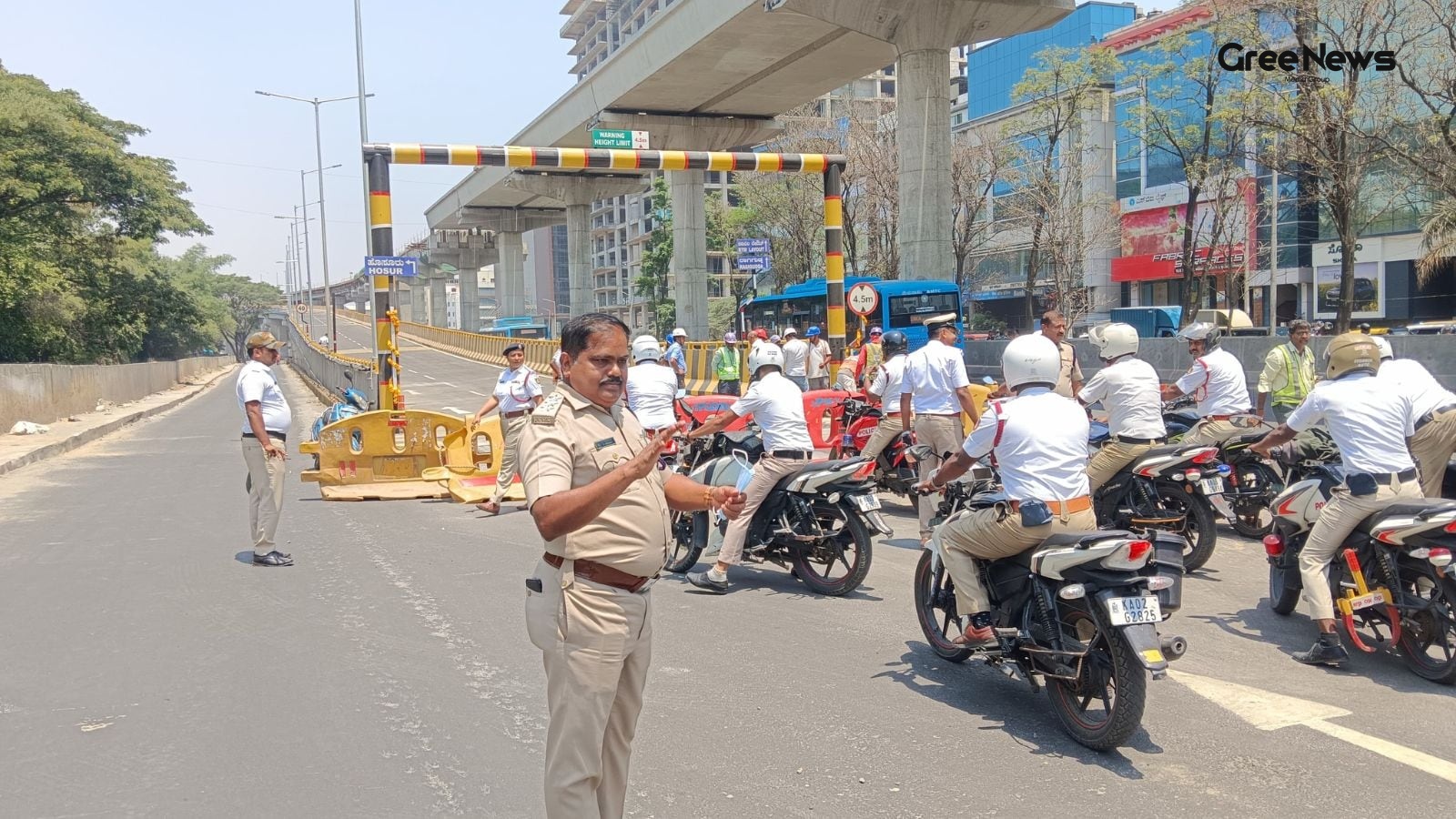
Authorities have responded with “red alerts” across West Bengal, Bihar, and Odisha, urging everyone to stay indoors between 11 am and 4 pm. The police are now patrolling neighborhoods, handing out water bottles, and closing down some open markets during the peak heat hours. Yet, the everyday reality for many is that they still have to step out whether to fetch water, sell goods, or simply get to work. The heat is not just a discomfort; it’s a genuine health hazard, leading to increased cases of heatstroke, dehydration, and even heart attacks.
What’s more, the heatwave has taken a toll on our farms. The dry soil can’t retain moisture, and the lack of rain means crops are wilting. I heard from a farmer in Murshidabad who told me that his paddy fields are turning brown, and he’s desperate for any rain to save his harvest. This creates a ripple effect lower yields mean higher food prices, which hits the poorer sections of society the hardest.
In short, the situation has turned into a test of India’s climate resilience. It’s not just about coping for a few days; it’s about how we, as a nation, adapt to an increasingly hostile atmosphere. The fact that 19 of the world’s most overheated cities are right here makes it clear that this is not a local issue, but a national challenge that demands immediate attention.
What can we, as ordinary citizens, do?
While the big picture involves policy and scientific interventions, on the ground we can still make a difference. First, staying hydrated is non‑negotiable keep a bottle of water with you at all times, even if you’re just stepping out for a quick errand. Second, try to avoid the peak heat hours; if you have to travel, do it early in the morning or later in the evening. I’ve started planning my grocery runs around 9 am and again after 5 pm, and it’s made a world of difference.
Second, we can help each other. In our apartment block, we’ve set up a small water‑cooling station where anyone can splash their face or drink water for free. Small gestures like that create a sense of community and make the unbearable heat a little more manageable. Also, using light-colored clothing and hats can reflect some of the sun’s rays, keeping you cooler.
Lastly, stay informed. Keep an eye on the latest updates from trusted sources whether it’s breaking news on your phone, a local radio station, or a community WhatsApp group. The more we know about the situation, the better we can plan our day and keep ourselves safe. And if you can, spread awareness about the seriousness of the heatwave. Social media is a powerful tool; sharing a short video of the sweltering streets can help others understand the urgency and encourage authorities to act faster.
All in all, while we wait for the large‑scale climate actions to kick in, we can still take simple steps in our daily lives that might just save a life maybe yours or someone close to you. It’s about turning that feeling of helplessness into small, practical actions.