Seeing the Heat and the Thirst First‑hand
Honestly, the first time I travelled to a farm in a dry part of Gujarat during the summer, I was hit by how cracked the soil looked. The sun was relentless, and the wells were almost dry. I was expecting to see fields of wheat or rice, but instead, there were rows of tiny, golden stalks swaying gently millets. It was like a surprise scene in a movie where the hero appears just when you need it most.
When I asked the farmer why he was growing millets, he smiled and said, "These crops survive on less water, and they don’t complain when the temperature hits 40°C." That simple conversation stuck with me, especially because it echoed a lot of the latest news India is buzzing about the growing water crisis and how agriculture needs to adapt.
What Makes Millets Environment‑Friendly?
Let’s break it down, because the science can sound heavy but it’s actually quite straightforward. Most millets like pearl millet, finger millet, and little millet need about 40‑50 percent less water compared to rice. In the same area, a farmer can grow millets using the same amount of water that rice would need for just half the yield. That means less pumping, less energy consumption, and less strain on our groundwater.
Besides sipping water sparingly, millets are also tough against heat. Their roots are deeper, so they can tap moisture that other crops can’t reach. This is why even when the mercury soars, millets keep producing decent harvests. It’s something that’s been highlighted in a lot of breaking news stories about climate‑smart agriculture in India.
Another subtle benefit is the reduced need for chemicals. Millets have a natural resistance to many pests, so farmers often use fewer pesticides. Less chemical runoff means cleaner rivers and healthier soil a win for the entire ecosystem.
The Personal Touch: My First Millet Meal
After watching the fields, I was curious about taste. I visited a small eatery in Karnataka where the chef was preparing a traditional ragi (finger millet) porridge. He told me that his grandparents used to eat ragi every day because it kept them cool during the hot summer months. I tried it the earthy flavor, the slight nuttiness and was surprised at how comforting it felt. It reminded me of the monsoon evenings at home, where a warm bowl could instantly lift the spirit.
What caught people's attention next was when I asked the chef about the health side. He explained that millets are rich in calcium, iron, and fibre, which help control blood sugar levels something that’s becoming increasingly important in a country where diabetes rates are soaring. This little fact spread like viral news among the diners that evening, and many left with a new appreciation for the grain.
Millets and the Urban Kitchen
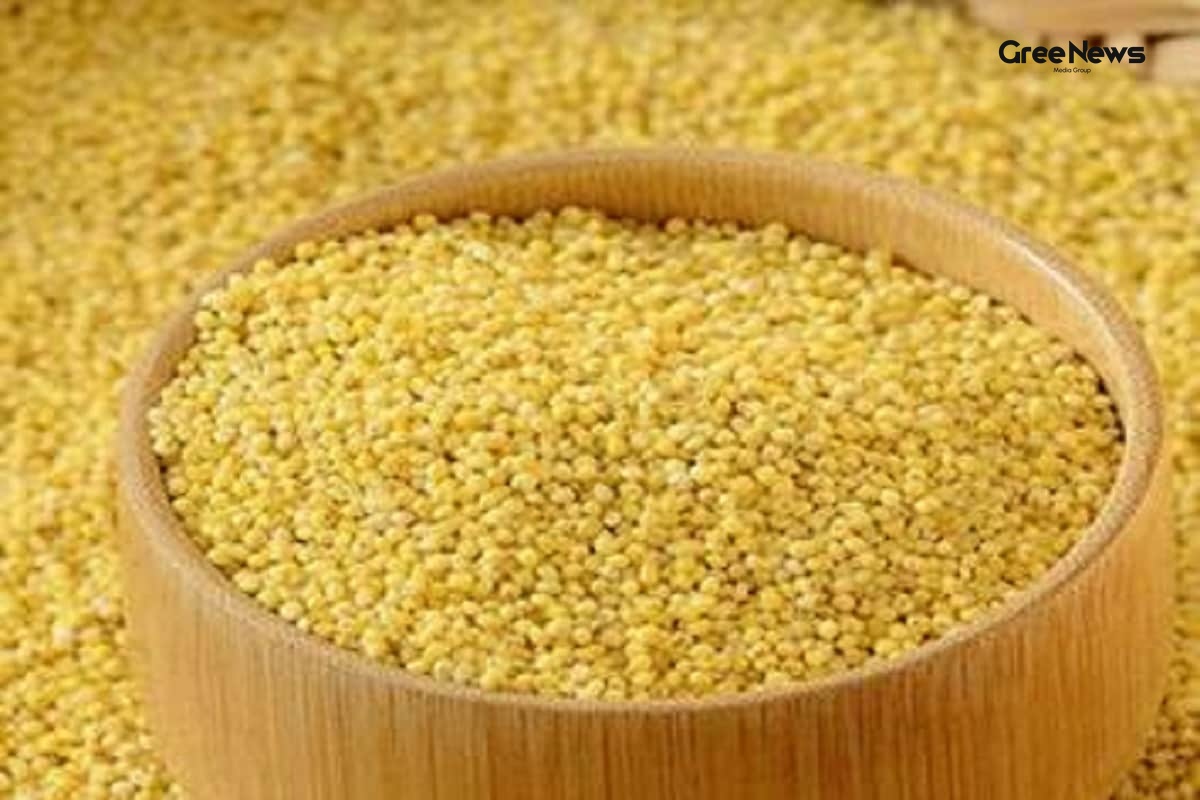
Back in the city, I tried incorporating millets into my own cooking. I found millets in the grocery store aisle beside the rice and wheat packets, often labelled as “healthy grain” or “eco‑friendly”. I bought a packet of foxtail millet and cooked a simple pilaf with vegetables. The process was almost identical to cooking rice just a bit more water and a slightly longer simmer. The result was fluffy, slightly crunchy, and surprisingly satisfying.
Many people in my circle have started swapping out a portion of their regular rice with millets, especially during the scorching summer when the pantry feels heavy. It’s a small change, but it aligns with the trending news India that highlights sustainable eating habits. And honestly, it feels good to be part of a movement that’s both tasty and kind to the planet.
Economic Angle How Millets Help Farmers
From a farmer’s perspective, millets are not just environmentally smart; they are financially sensible too. Because they require less irrigation, the cost of water which has become a major expense in many regions drops dramatically. That means more profit per hectare for the same amount of effort.
During a local market visit in Madhya Pradesh, I heard a farmer brag about how his millet harvest fetched a better price this season because buyers are looking for climate‑resilient crops. The demand is rising, especially after several India updates about government incentives for millets under the National Food Security Mission.
Another interesting point is that millets can be stored for longer periods without spoiling, unlike some other grains that need immediate processing. This reduces post‑harvest losses a common problem that hurts many small‑scale farmers.
Government Push and Public Awareness
Recently, I read about a nationwide campaign encouraging schools to serve millet‑based meals. The idea is to instil the habit early and reduce the pressure on water resources used for rice. This initiative has been covered in various channels and often appears as part of the breaking news about food security.
There’s also talk about millets being part of the “new superfood” narrative in India, which has helped them go viral on social media platforms. Influencers post recipes, and news portals run stories about millet’s role in climate mitigation all of which creates a ripple effect, pushing more people to try it.
Challenges Still Ahead
While millets shine in many aspects, there are still hurdles to cross. For one, the processing infrastructure for millets isn’t as developed as that for rice or wheat. This can make it a bit tougher for large‑scale commercial distribution. Also, some consumers still think millets taste ‘plain’ compared to the familiar flavours of rice.
But these are challenges that can be tackled with more research and marketing. When I spoke to an agronomist, he mentioned that hybrid varieties of millets are being developed to improve yield and taste. That’s a promising sign that the future could hold even better options for both growers and eaters.
Putting It All Together A Personal Takeaway
Seeing the water shortage first‑hand, tasting millets in both rural kitchens and my own home, and hearing the buzz around them in the media made me realise how a tiny grain can carry such big hopes. It’s not just about a crop; it’s about adapting to a changing climate, supporting farmers, and keeping our plates nutritious.
If you’re curious, I’d say start with a simple swap maybe replace a part of your daily rice with foxtail millet or try a millet‑based roti for dinner. It’s easy, and you’ll be part of the growing trend that’s quietly reshaping Indian agriculture.
What happened next is interesting every time I share my millet stories with friends, they either ask for recipes or comment on how they’re considering millets for their own health goals. That ripple of interest is exactly the kind of grassroots momentum that can turn a viral news topic into lasting change.