How I first heard about the TACO trade
Honestly, I was sipping my masala chai on a lazy Sunday morning when the news ticker on my phone started flashing something that sounded like a plot from a Bollywood thriller. It was the usual breaking news about rising oil prices and a fresh volley of US statements aimed at Tehran. A friend of mine, who works in a Bengaluru‑based tech firm, nudged me, “You should see this, it’s the kind of thing traders are talking about on their WhatsApp groups.” I clicked, and there it was a whole strategy built around the idea that Donald Trump, whenever he raised his voice on foreign policy, would later backtrack. The name they gave it TACO, short for “Trump Always Chickens Out” made me grin. The premise sounded a bit cheeky but also oddly logical, especially when you consider how the market often reacts to politics more than actual events.
That curiosity hook made me dig deeper. What caught people’s attention was not just the nickname, but the fact that this approach seemed to work like a charm for a bunch of traders who could read between the lines of presidential speeches and market reactions. I realised that if this could be a profitable play in the US, maybe there were lessons for us who keep a close eye on the trending news India feed every day. The rest of the article basically narrates what I learned, with a few personal observations from the Indian market perspective.
What the TACO trade actually is in simple terms
The core idea is pretty straightforward: whenever the US administration, under Donald Trump, drums up a “maximum pressure” campaign against Iran, markets freak out. Oil prices shoot up, tech stocks dip, and investors rush to safe‑havens like gold. But then, almost as predictably as a Mumbai monsoon, the rhetoric eases. The president, aware of the domestic economic stakes, pulls back, often offering a “deal” that de‑escalates the situation. Traders who have studied this pattern start betting that the spike in volatility is temporary. They short the volatility meaning they profit when the panic subsides and then buy back the dip in equities, especially in sectors that were hammered by the initial fear.
Think of it as a seesaw. The heavy side is the aggressive statement; the light side is the eventual retreat. The profit comes from the swing back. It’s not about being a cheerleader for war; it’s about spotting the moment when the viral news about a potential conflict actually creates a discount on stocks that can be bought cheap. For Indian investors, it’s a reminder that the market reacts more to the tone of headlines than the underlying fundamentals a lesson worth noting when we see latest news India about any geopolitical flashpoint.
Why the Strait of Hormuz became the perfect playground
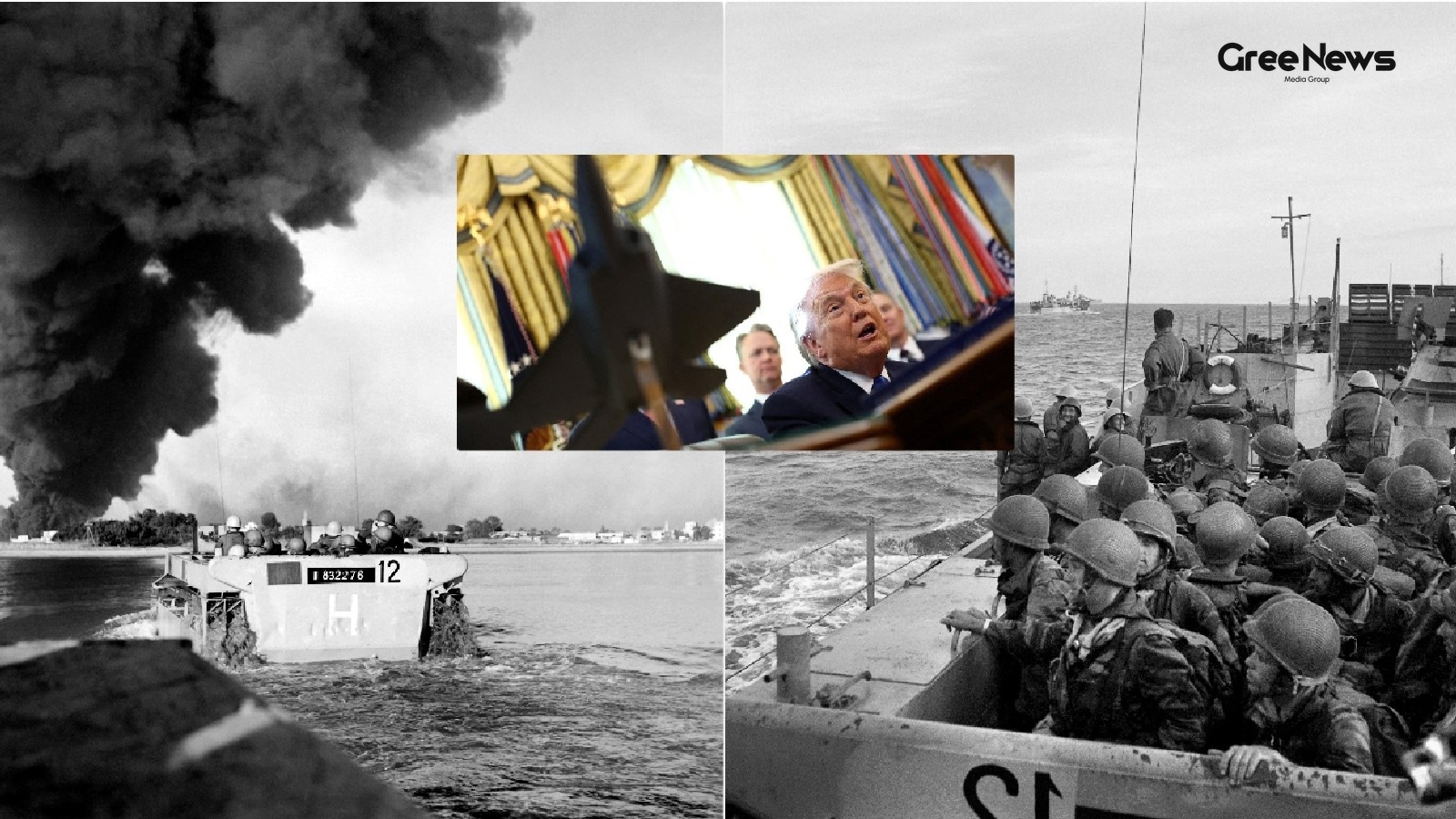
Picture the narrow waterway that ships use to transport a huge chunk of the world’s oil the Strait of Hormuz. Whenever the US Navy flexes its muscles there, it’s like a Bollywood action sequence all over the news channels. In the recent months, the US has increased its naval presence, and the Iranian Revolutionary Guard Corps (IRGC) has responded with harsh statements. That back‑and‑forth created a classic case of “negotiation via escalation” that our TACO traders love.
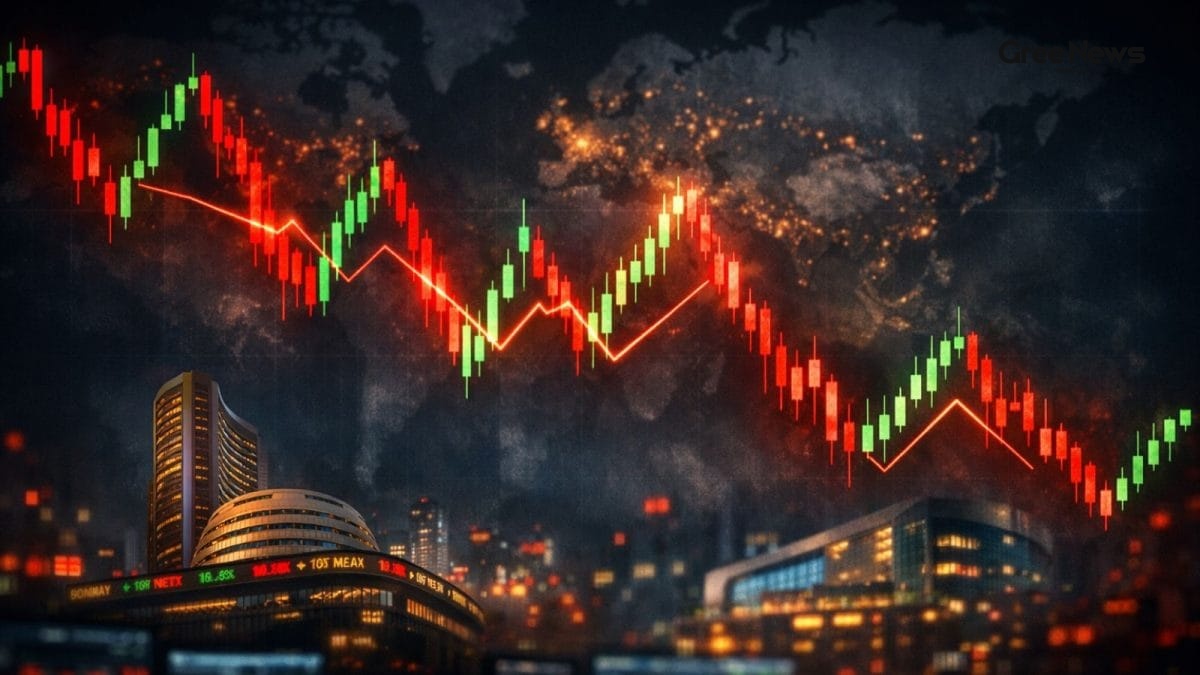
What’s interesting, and this is where the story gets a bit personal, is how quickly the market responded. I was watching a live feed of the naval ships moving through the strait when suddenly Brent crude ticked up to near $95 a barrel. Within minutes, the S&P 500 (or the Nifty, for those of us in India) dived a few hundred points. The panic was real, but the TACO investors were already preparing to buy the dip. They knew, from previous patterns, that the president would soon tweet something conciliatory or a senior official would hint at a diplomatic avenue. Sure enough, as soon as a calm voice mentioned a possible “letter from a leader”, oil prices retreated, and the equity markets recovered. It felt like watching a high‑stakes cricket match where the bowler delivers a bouncer and the batsman instantly ducks and scores a boundary.
How Indian markets are feeling the ripple
Even though the main drama is happening across the oceans, we in India can’t ignore it. The dollar‑rupee pair often spirals when crude prices swing, and Indian stocks, especially energy‑linked ones, follow suit. During the recent spikes, I noticed that many Indian investors were checking the trending news India portals for any updates on the US‑Iran standoff. The narrative that kept popping up was that the presidential “tough talk” would eventually give way to a “deal”. That narrative, combined with the belief that the market would bounce back, led to a surge in buying activity in Indian tech and consumer stocks, which had briefly dipped.
What surprised many of my friends in the financial circles was the speed at which the market corrected itself. A few hours after the aggressive statements, the Nifty 50 was already clawing back its losses. For a brief moment, it seemed like the market was ignoring the geopolitical reality and focusing solely on the expectation of a retreat just the way the TACO trade predicts. This created a sort of “decoupling” where the actual diplomatic situation in Tehran became a background story, while the Indian market’s sentiment was driven by the belief in an inevitable “buy” window.
What happened when the Islamabad talks fell apart
Now, here’s where the narrative gets a twist. The IRGC recently refused to send a delegation to Islamabad for a peace dialogue. This could have been a massive blow to market confidence a classic case where you would expect investors to panic and sell off. But what actually happened was oddly reassuring for the TACO believers. The broader market, including Indian indices, recovered its losses within a couple of hours. It was as if the market was saying, “Okay, the summit didn’t happen, but we still expect a deal somewhere down the line.” Many traders argued that even if the talks collapsed, the US would simply propose a new framework to avoid a spike in oil that could hurt its own economy.
This belief that the “Monday peace deal” might just be rebranded for a “Tuesday” kept the buying pressure alive. I remember a colleague from Delhi’s financial district saying, “If the president can chicken out of a summit, we can definitely buy the dip.” It was a mix of optimism and a dash of cynicism that is typical of traders who have lived through multiple cycles of political drama. The key takeaway here is that the market’s reaction was not driven by the actual diplomatic outcome but by the expectation of a later, perhaps quieter, resolution.
Is this strategy really sustainable?
While the TACO trade has made a lot of money for those who timed it right, there’s a growing concern among some analysts that we might be falling into a “complacency trap”. If every aggressive statement is automatically assumed to be a bluff, investors could start under‑pricing genuine risks. Imagine a scenario where the IRGC does decide to hit a major oil facility that would cause oil prices to soar dramatically, and the market correction could be swift and severe. For those who positioned only for a retreat, the losses could be huge.
Moreover, the strategy often overlooks the domestic pressures inside Iran. The IRGC isn’t accountable for the Dow Jones or the Nifty; its primary concern is political survival. If the internal dynamics force them to act in a way that the US can’t simply “chicken out” of, the market would have to adjust to a new reality. That’s why some experts warn that while the short‑term gains are tempting, the long‑term risk of assuming every threat is a bluff could lead to a massive correction that would catch even the most seasoned TACO traders off‑guard.
Personal takeaways for Indian investors
From my own perspective, watching these events unfold has taught me a couple of practical lessons. First, never ignore the latest news India headlines they shape market sentiment faster than any macroeconomic data. Second, while it’s tempting to jump on a strategy that promises quick profit, it’s crucial to have a safety net. I now keep a small portion of my portfolio in defensive assets like gold and short‑term government bonds, just in case the market misreads a genuine escalation.
Also, I’ve started paying more attention to the tone of speeches rather than the content alone. A heated statement followed by a calm tweet often signals a short‑term volatility window, which can be an opportunity if you’re quick enough. But always be ready for the scenario where the rhetoric turns into reality that’s when the “buy” window closes, and the market can swing the other way.
Where do we go from here?
Looking ahead, the big question is whether the US administration will continue this pattern of aggressive posturing followed by rapid de‑escalation. If they do, the TACO trade will likely stay relevant, and we can expect more cycles of volatile spikes and quick recoveries. For India, this means staying alert to the ripples that flow from the Middle East into our own markets. The next time you see a splash of viral news about a possible conflict, ask yourself: is this a real shift, or is it another opportunity to buy the dip?
In short, the market narrative is now a blend of geopolitics, psychology, and rapid information flow. As a trader who has seen both panics and recoveries, I can tell you that the key is not to get swept away by headlines but to understand the underlying patterns. Whether you’re a seasoned investor or someone just dipping their toes into the market, keeping an eye on the “chicken‑out” factor could prove to be a valuable addition to your toolkit.