How I First Heard About the US Trip
Honestly, I was just scrolling through my phone on a lazy Saturday morning, sipping chai, when the breaking‑news banner flashed about Lebanon’s prime minister heading to Washington. I thought, "Really? What’s going on now?" It seemed like one of those headlines that make you pause, because the situation between Lebanon and Israel has been a simmering pot for years. But this time, the story had a fresh twist – Israel had apparently asked the United States for a short‑term extension to keep its “targeted” strikes in Lebanon alive, even as they were supposedly moving towards a diplomatic sit‑down.
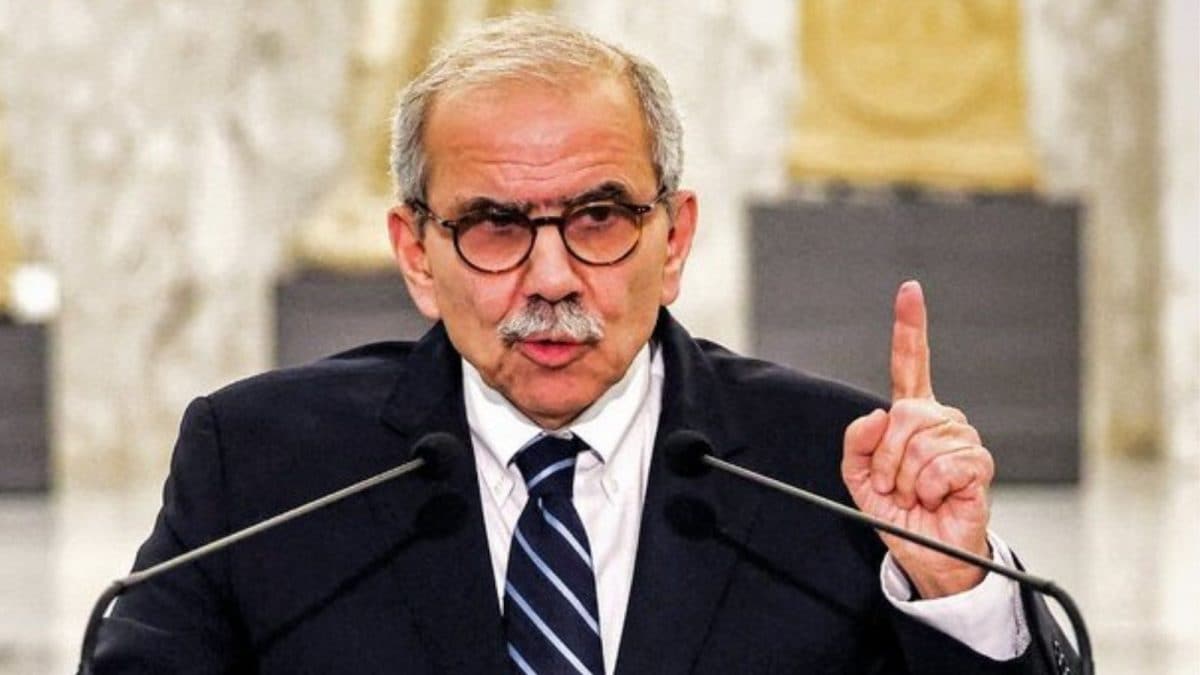
The more I read, the more it felt like the whole West Asian diplomatic map was shifting right into Washington’s backyard. I mean, we’re talking about Prime Minister Nawaf Salam, who is usually seen hovering over Beirut’s cabinet meetings, now possibly boarding a plane for an emergency dialogue with the White House. And all of this because Israel, after years of indirect talks, suddenly put a direct negotiation proposal on the table.
Why Nawaf Salam is Packing His Bags for D.C.
Now, you might wonder why the Lebanese leader would rush to the US at this particular moment. The answer lies in the fact that Israel formally requested direct talks with Lebanon – something that up until now was just a vague idea whispered in diplomatic corridors. Traditionally, Beirut has always insisted on a comprehensive ceasefire before any talks could even start. But recent events, especially a massive wave of strikes that reportedly killed over three hundred people on a single day, pushed everyone to the edge.
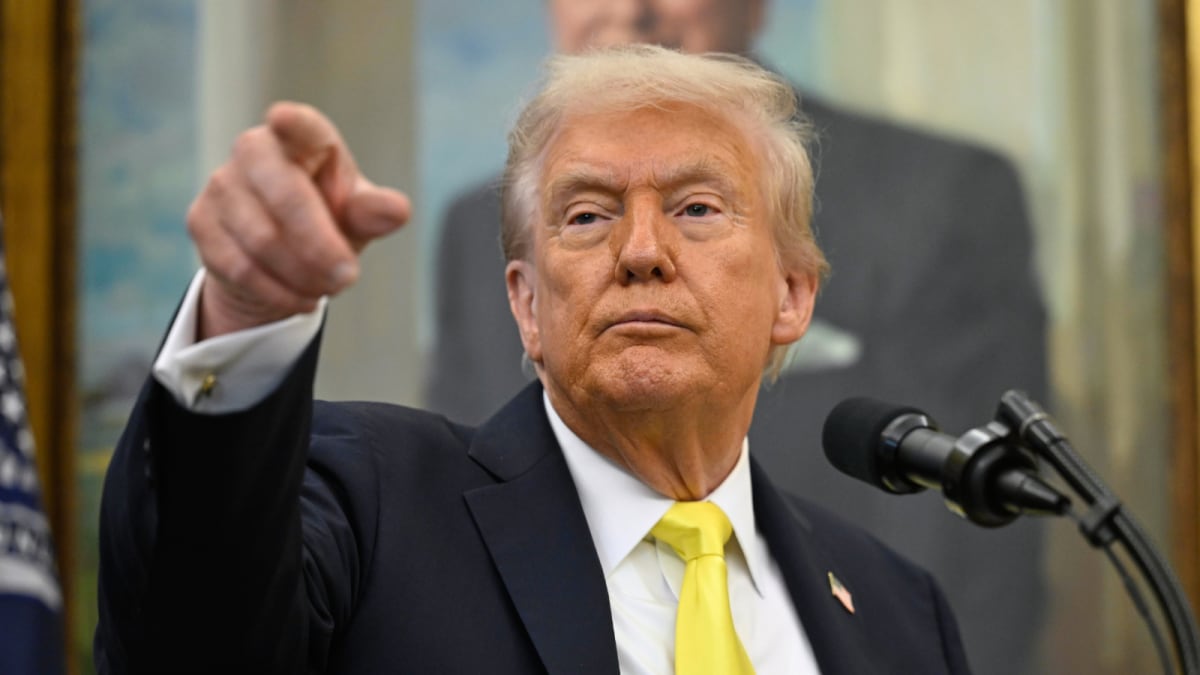
From what I gathered, the White House, with President Donald Trump and Vice‑President JD Vance at the helm, has been positioning itself as the chief broker for what they call the “Islamabad Accord” – a broader US‑Iran truce that was announced earlier in the week. The catch? That accord doesn’t automatically cover Lebanon. So, Prime Minister Nawaf Salam’s visit is basically an attempt to make sure Lebanon’s voice is not lost in the bigger US‑Iran drama, and to push for a deal that includes the disarmament of Hezbollah, which Israel is demanding.
It’s a bit like trying to get a seat at a family dinner where everyone is arguing about who gets the last piece of biryani. You have to make sure your plate is served before the gravy spills everywhere.
What’s Really Sticking on the Table for Talks?
Even though the idea of a boardroom discussion sounds hopeful, the ground reality remains volatile. Israeli Prime Minister Benjamin Netanyahu has been blunt, saying there’s "no ceasefire in Lebanon" and that any talks will happen "under fire". It’s a tough stance, and it comes paired with reports that Israel has asked the United States for a few extra days – just enough time to finish some specific operations against Hezbollah’s infrastructure.
On the other side, Lebanon’s president, Joseph Aoun, has repeatedly said that a formal halt to hostilities is the only way to keep Lebanon from spiralling into deeper chaos. This clash – Lebanon demanding an immediate truce while Israel wants talks to run alongside its military actions – is likely the biggest stumbling block for US Secretary of State Marco Rubio and his team who are trying to mediate.
In plain terms, it feels a bit like trying to negotiate a traffic jam while the cars keep honking and moving forward. The noise, the urgency, the underlying tension – it’s all there.
How This Fits With the Bigger US‑Iran Ceasefire
There’s also a whole other layer to this drama: the two‑week ceasefire that was brokered in Pakistan. Iranian officials and Pakistan’s Prime Minister Shehbaz Sharif have been saying that this truce is universal – that it covers places like Lebanon as well. Meanwhile, the United States and Israel are adamant that the aGreement is strictly bilateral, meaning it doesn’t provide any shield for Hezbollah.
The timing is crucial because the regional ceasefire is slated to expire soon, and the pressure on the upcoming Washington talks is immense. The international community, from New Delhi to Nairobi, is watching to see if the “Washington track’’ can separate Lebanon’s issue from the wider Iran‑Israel conflict, or if the ongoing military escalation will completely scuttle the peace process before Nawaf Salam’s delegation even steps foot in the capital.
It reminds me of a cricket match where one team keeps changing the field placements while the other is still trying to bat. If the fielders move too quickly, the batsman might get out; if they’re too slow, they concede runs.
Personal Observations From the Streets
Being in Delhi, I can’t help but compare it with our own local issues where diplomatic talks sometimes feel like a distant dream while everyday life hustles on. For example, when the Delhi government announced a new water‑saving rule, many citizens were still unaware that they had to turn off taps during peak hours. Similarly, people in Lebanon are probably living day‑to‑day, hearing sirens, seeing the fallout of strikes, and waiting to see if any of these high‑level talks will actually translate into safety on their rooftops.
When I spoke to a friend who follows Middle‑East affairs closely, she mentioned that the “talks under fire” phrase has become a sort of meme online – a way to highlight how absurd it feels to negotiate peace while bombs keep falling. It’s a harsh reality that many of us in India can relate to when we think about the constant tug‑of‑war between development projects and local protests.
Anyway, whatever the outcome, I hope that this visit by Nawaf Salam ends up being more than just a photo‑op, and actually brings some respite to the folks in Beirut, Tripoli, and the many villages that have been caught in the crossfire.
Possible Outcomes and What They Mean
If the talks go well, we might see a provisional ceasefire that allows humanitarian aid to reach the hardest‑hit areas. That could mean schools reopening, markets reviving, and the chance for daily commuters to travel without fearing rockets. On the other hand, if Israel’s demand for an operational window is granted and the fighting continues, the diplomatic effort could be reduced to a footnote while the ground reality gets worse.
Another scenario is a partial aGreement where Hezbollah’s heavy weapons are monitored in exchange for a limited truce. This kind of compromise has been tried before in different parts of the world – think of the ceasefire zones in Sri Lanka during the civil war – but success always depends on trust, which is pretty thin right now.
And let’s not forget the broader US‑Iran dynamic. If the two‑week ceasefire in Pakistan expires without a clear extension, the whole region could spiral. The US might then have to decide whether to pull back its involvement or double down, which could shift the balance of power again.
Final Thoughts – A Hopeful Yet Cautious Note
All in all, the whole episode feels like watching a live drama where the script keeps changing. I still hold onto a sliver of hope that Nawaf Salam’s trip to Washington can create a window for dialogue that actually leads to some peace on the ground. But I’m also realistic – history has taught us that talks can be fragile, especially when the parties involved are still shooting rockets.
For now, the best thing we can do from here is keep informed, share reliable updates – like the ones I’m reading and summarising – and maybe, just maybe, pray that the people of Lebanon get a chance to live without constantly hearing the sound of air‑raid sirens.
And if you’re wondering why I’m so invested, it’s because the world is a small place. What happens in Beirut can ripple over to Mumbai, Karachi, and even our own neighbourhoods. So let’s keep our eyes open and hope for a path that leads to less fire and more conversation.