World Condemns Israeli Raids on Lebanon as US‑Iran Truce Begins
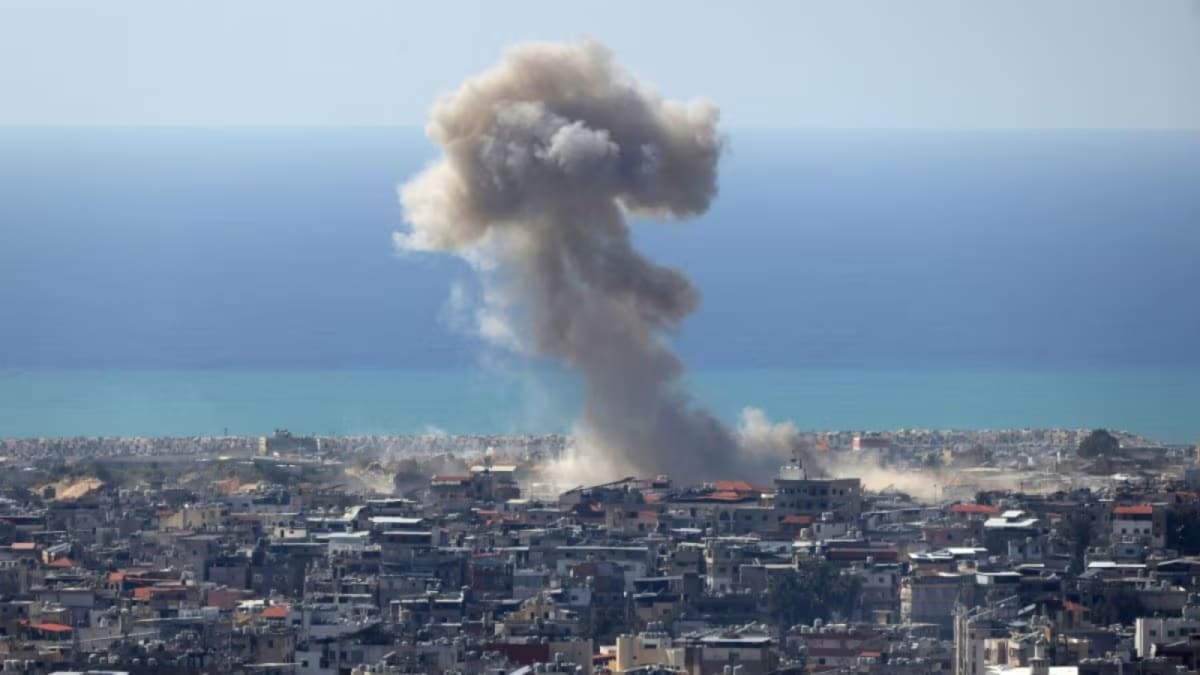
Global reaction intensifies as Israel launches additional strikes on Lebanon while a US‑Iran ceasefire takes effect
Leaders from a wide range of nations and international organisations have voiced strong criticism of Israel’s most recent military operations targeting Lebanon. The criticism arrives at a moment when a ceasefire between the United States and Iran has officially begun, raising alarm that the regional situation could broaden beyond the immediate theater of conflict.
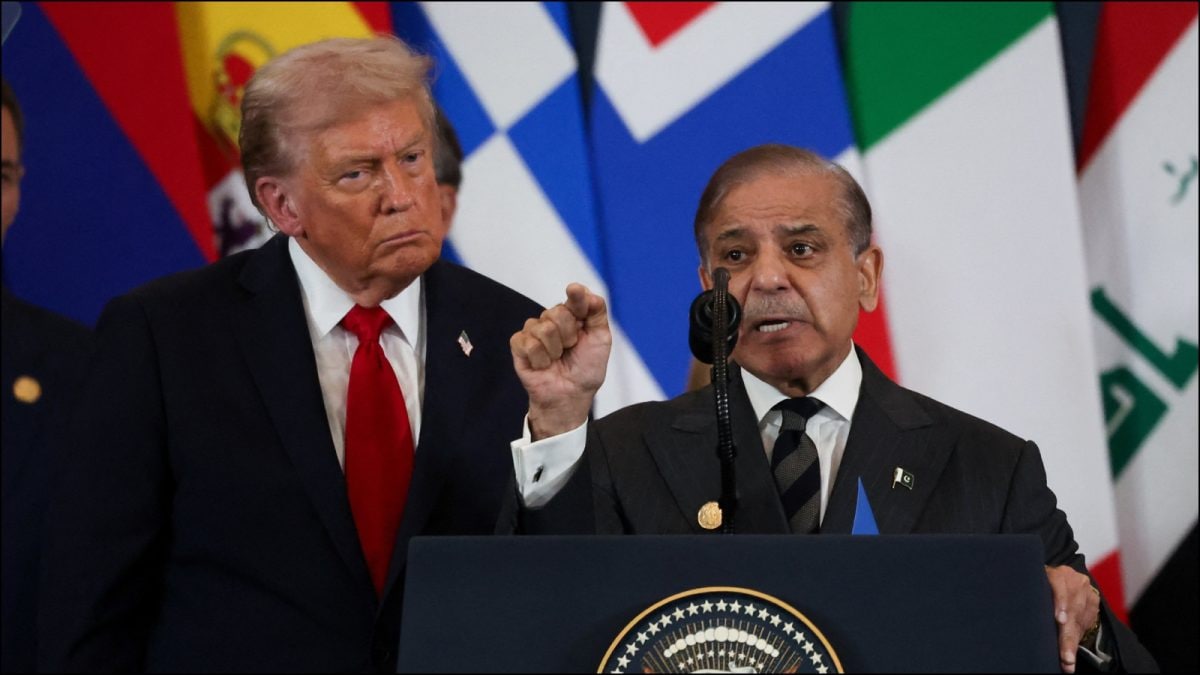
Donald Trump, President of the United States, asserted that Lebanon does not fall under the terms of the United States‑Iran ceasefire. In a televised interview with PBS, Donald Trump described the unfolding hostilities as a “separate skirmish” and indicated that the matter would be addressed directly by the United States administration. Donald Trump emphasized that the United States would take the necessary steps to resolve the situation involving Lebanon.
Rizwan Saeed Sheikh, Ambassador of Pakistan to the United States, offered a contrasting perspective. In an interview with CNN, Rizwan Saeed Sheikh stated that Lebanon was explicitly listed as part of the United States‑Iran ceasefire arrangement. Rizwan Saeed Sheikh underscored that the inclusion of Lebanon was clear to all parties involved, thereby challenging the position expressed by Donald Trump.
The Islamic Revolutionary Guard Corps, often abbreviated as IRGC, issued a stark warning following the Israeli attacks. The IRGC declared that any continuation of Israeli strikes on Lebanese territory would provoke a retaliatory response. This statement from the IRGC highlighted the risk of further escalation and signaled that additional military actions could draw Iran‑aligned forces into direct confrontation.
European reactions have been equally emphatic. Pedro Sanchez, Prime Minister of Spain, condemned Israeli Prime Minister Benjamin Netanyahu for what Pedro Sanchez described as a “contempt for life and international law.” Pedro Sanchez’s remarks framed the Israeli actions as intolerable and called for immediate cessation of hostilities. In a similar vein, Emmanuel Macron, President of France, asserted that the inclusion of Lebanon within the United States‑Iran ceasefire is a non‑negotiable prerequisite for achieving lasting peace across the region. Emmanuel Macron emphasized that any exclusion of Lebanon would undermine the broader diplomatic effort.
Turkiye, represented by its foreign ministry, accused Benjamin Netanyahu of obstructing peace initiatives. The statement from Turkiye’s foreign ministry warned that the Israeli attacks exacerbate the humanitarian crisis already afflicting Lebanon. Turkiye’s critique focused on the widening impact of the strikes on civilian populations and infrastructure.
The United Nations has taken a firm stance against the recent Israeli operations. Farhan Haq, spokesperson for the United Nations, declared that the United Nations “strongly condemns” Israel’s actions on Lebanese soil. In addition, the United Nations’ human rights chief described the attacks as “nothing short of horrific,” underscoring the gravity of the situation from a humanitarian perspective.
Countries in the Middle East have issued statements that echo the United Nations’ condemnation. The Sultanate of Oman released a statement condemning the Israeli strikes, describing them as an unjustified use of force. The Ministry of Foreign Affairs of Egypt warned that the attacks demonstrate a “premeditated intent” to derail diplomatic efforts aimed at reducing regional tensions. Qatar’s foreign ministry labeled the Israeli offensive a “brutal series of attacks,” characterizing it as a dangerous escalation and a breach of international law, specifically citing United Nations Security Council Resolution 1701.
Each of these statements, while varying in phrasing, shares a common theme: the denunciation of Israeli actions and the insistence that any sustainable resolution must involve Lebanon as an integral component of the ceasefire framework. The consistent emphasis on Lebanon’s role reflects a broader diplomatic consensus that the conflict cannot be isolated from the wider regional dynamics.
Analysts observing the unfolding diplomatic discourse note that the divergent positions presented by Donald Trump and Rizwan Saeed Sheikh illustrate the complexities inherent in the United States‑Iran ceasefire arrangement. The United States‑Iran ceasefire was designed to halt direct confrontations between the two powers, yet the involvement of third‑party actors such as Israel and Hezbollah adds layers of nuance that challenge a straightforward implementation.
The Islamic Revolutionary Guard Corps’ warning signals that any perceived violation of the ceasefire terms could activate a chain reaction involving armed groups affiliated with Iran. The potential for such a chain reaction raises concerns that the situation could evolve from a bilateral ceasefire into a multi‑front confrontation, drawing in additional regional stakeholders.
European leaders, exemplified by Pedro Sanchez and Emmanuel Macron, have framed the Israeli strikes as incompatible with the principles of international law and basic human rights. Their statements serve not only as condemnation but also as a call to reaffirm the legal and moral frameworks that govern armed conflict, including respect for civilian lives and adherence to existing United Nations resolutions.
The response from Turkiye further underscores the perception that Israel’s actions hinder diplomatic momentum. Turkiye’s foreign ministry highlighted that the humanitarian toll in Lebanon is worsening, a development that could amplify refugee flows, strain healthcare systems, and exacerbate economic instability in the region.
The United Nations’ condemnation, reinforced by the remarks of both Farhan Haq and the UN human rights chief, places the Israeli strikes within a broader international legal context. By labeling the attacks as horrific and unequivocally condemning them, the United Nations positions itself as a moral arbiter, urging all parties to prioritize de‑escalation.
Middle Eastern states including Oman, Egypt, and Qatar have each articulated a distinct but aligned narrative: the attacks are viewed as deliberate attempts to sabotage peace initiatives. Oman’s condemnation focuses on the illegitimacy of the force used, Egypt’s warning stresses the intentional nature of the aggression, and Qatar’s description of the incidents as a “dangerous escalation” reinforces the perception that the strikes breach not only humanitarian norms but also binding United Nations resolutions.
In sum, the international community’s reaction to Israel’s latest strikes on Lebanon reflects a unified demand for an inclusive ceasefire that explicitly incorporates Lebanon. The divergent statements from United States officials and Pakistani diplomatic representatives illustrate the political contention surrounding the interpretation of the ceasefire’s scope. Meanwhile, the stern warning issued by the Islamic Revolutionary Guard Corps serves as a reminder that any continuation of hostilities could invite direct retaliation, thereby widening the conflict.
European leaders, regional powers, and global organisations have collectively underscored the urgency of respecting international law, protecting civilian populations, and adhering to the commitments set forth in United Nations Security Council Resolution 1701. The situation remains fluid, and the pressure exerted by the global community is poised to shape the next phase of diplomatic engagement regarding Lebanon’s status within the United States‑Iran ceasefire framework.