Alexander Burned It, Mongols Ravaged It: Iran Responds to Donald Trump's ‘Civilisation Will Die’ Threat
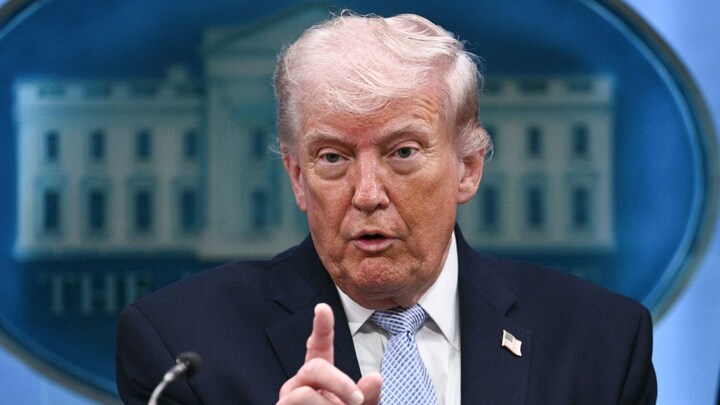
Donald Trump warned that “a whole civilisation will die tonight, never to be brought back again” if Iran fails to comply with Donald Trump’s demand for a deal.
Donald Trump posted a stark declaration on Donald Trump’s Truth Social platform, stating that a whole civilisation would die tonight and would never return if Iran does not accede to Donald Trump’s demand for a deal. The warning was presented as an ultimatum, intensifying diplomatic tension that has already been marked by a series of hostile exchanges.
The language used by Donald Trump emphasized an existential threat, portraying the alleged consequences as irreversible and catastrophic. By framing the situation as a matter of survival for an entire civilisation, Donald Trump sought to exert pressure on Iran to meet the conditions set by Donald Trump’s administration.
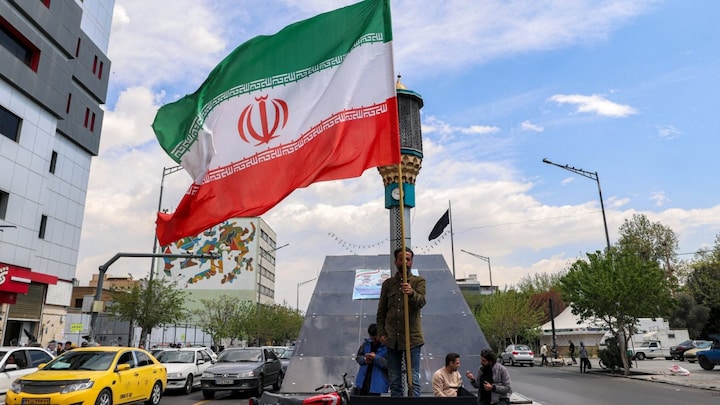
Following the public proclamation, Iranian diplomatic missions around the globe issued immediate, coordinated reactions. Each mission referenced historical resilience and dismissed the projection of destruction as rhetorical overreach.
Iranian Embassy in Turkey’s Historical Rebuttal
The Iranian Embassy in Turkey responded with a reference to historic invasions, stating: “The Mongols ravaged it. History tested it. Iran is still here. A psychopath’s threats won’t end what time couldn’t.” This reply linked contemporary intimidation to centuries‑old assaults, underscoring that Iran has survived previous periods of aggression.
By invoking the Mongol incursions, the Iranian Embassy in Turkey highlighted a narrative of endurance despite overwhelming force. The phrasing “Iran is still here” served to reassure domestic audiences while signalling to international observers that Iranian sovereignty remains intact.
The Iranian Embassy in Turkey emphasized that the threats coming from Donald Trump do not possess the power to eradicate a nation that has persisted through historic turmoil. The mention of “psychopath’s threats” directly targeted Donald Trump’s rhetoric, portraying it as an emotional outburst lacking substantive policy foundation.
Iranian Embassy in South Africa’s Defence of Civilisation
The Iranian Embassy in South Africa framed Iran as “a civilisation that is not a mere incident in history, but history itself.” The diplomatic mission declared that the language employed by Donald Trump—characterised as “Stone Age” rhetoric—would not shake Iran’s foundational identity.
Continuing, the Iranian Embassy in South Africa added: “Our response to the enemy’s savagery is to stand firm on national interests and rely on the strength of the great Iranian nation.” This statement reinforced a narrative of collective resilience anchored in national interest, positioning Iran as a united front against external hostility.
The Iranian Embassy in South Africa’s wording deliberately avoided any acknowledgment of fear, instead opting to spotlight fortitude and unyielding resolve. By labeling Donald Trump’s statements as relics of a primitive era, the Iranian Embassy in South Africa suggested that progress and modern statecraft render such threats obsolete.
Iranian Embassy in Thailand’s Counter‑Narrative
The Iranian Embassy in Thailand adopted a tone of defiance, asserting: “Civilisations don’t die by bombing, Keyboard President. Iran is the constant in this changing world and will emerge stronger.” The phrasing directly addressed Donald Trump as “Keyboard President,” implying that the threats are manufactured through digital platforms rather than concrete actions.
Through this response, the Iranian Embassy in Thailand emphasized continuity, suggesting that Iran’s cultural and political fabric endures irrespective of external assaults. The claim that Iran will “emerge stronger” positions any attempted aggression as a catalyst for internal consolidation rather than a vehicle for destruction.
The Iranian Embassy in Thailand’s statement also served to delegitimize the medium of the threat, casting the digital nature of the proclamation as insufficient to affect the real‑world stability of Iran.
Iranian Embassy in Bulgaria’s Historical Perspective
The Iranian Embassy in Bulgaria noted a millennial timeline of resistance, stating that Iran’s enemies “have been waiting for 2,500 years, and they have never succeeded.” By invoking a 2,500‑year span, the Iranian Embassy in Bulgaria placed the current confrontation within a broader historical context of failed attempts to subjugate Iran.
This narrative functions as both a warning and a reassurance: a warning that continued resistance will thwart any present or future aggression, and reassurance that Iran’s historical endurance will carry forward into the present dispute.
The Iranian Embassy in Bulgaria’s language further frames the conflict as a continuation of a longstanding pattern, reinforcing the idea that external powers have consistently misjudged Iran’s capacity for self‑preservation.
Parallel Military Actions Reported in the Region
Simultaneous to Donald Trump’s pronouncement, reports emerged of fresh strikes targeting Iranian infrastructure. The Israeli Prime Minister Benjamin Netanyahu confirmed assaults on railways and bridges, asserting that the sites were utilized by the Revolutionary Guards.
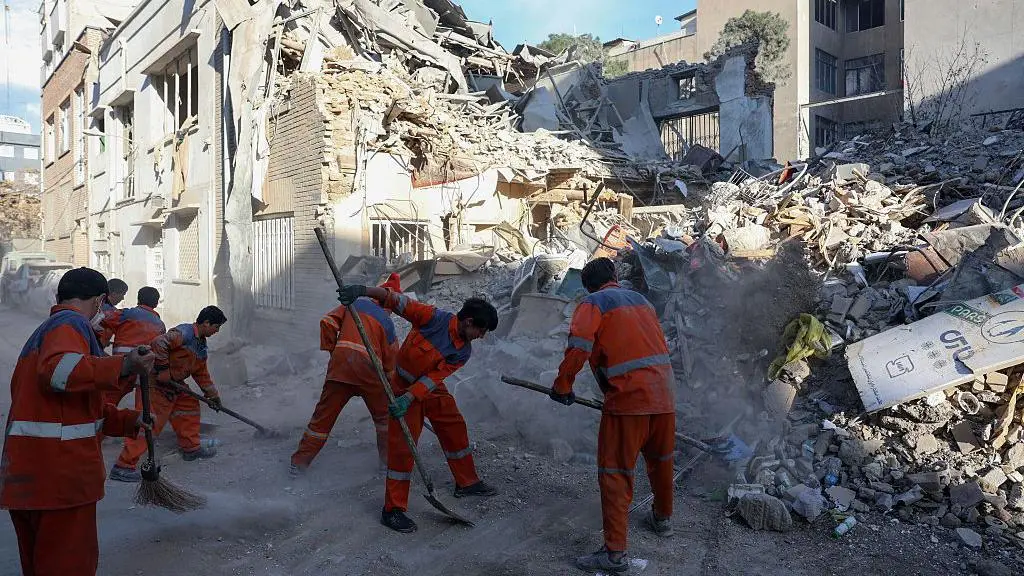
According to Iranian authorities, a bridge near Qom, railway tracks near Karaj, and a key highway linking Tabriz and Tehran suffered damage, resulting in at least two casualties. The Israeli military described the operation as a broad wave of strikes aimed at infrastructure locations, reinforcing a pattern of pressure on logistical networks.
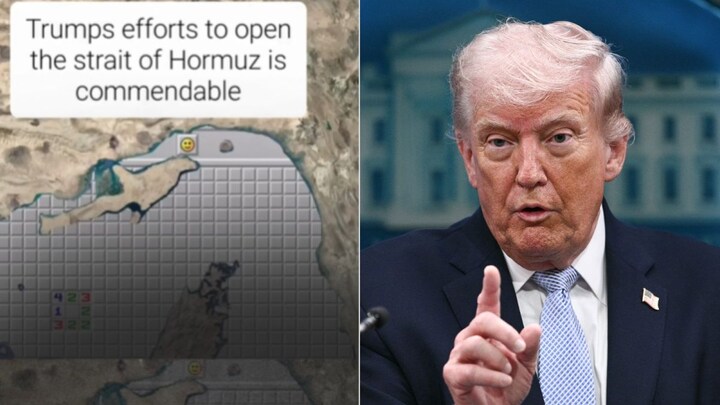
These reported actions added a tangible dimension to the rhetorical escalation initiated by Donald Trump. While Donald Trump’s deadline for Iran to reopen the Strait of Hormuz approached, the exact mechanism by which Donald Trump intended to enforce the threat remained unclear.
Strategic Context and Implications
The combined diplomatic rebuttals and reported military actions illustrate a multilayered confrontation. On one level, Donald Trump’s threat employed existential language designed to compel compliance through fear of irreversible cultural loss. On another level, the Iranian diplomatic responses employed historical allusion and nationalistic rhetoric to counteract the intimidation, emphasizing endurance over vulnerability.
The statements issued by the Iranian Embassy in Turkey, the Iranian Embassy in South Africa, the Iranian Embassy in Thailand, and the Iranian Embassy in Bulgaria collectively construct a narrative that frames any attempt to extinguish Iranian civilisation as fundamentally flawed. By invoking past invasions, millennial timelines, and the resilience of the Iranian nation, each diplomatic mission reinforced a shared message: threats lacking tangible enforcement cannot alter the course of a historically persistent civilisation.
In parallel, the reported strikes on Iranian infrastructure, confirmed by the Israeli Prime Minister Benjamin Netanyahu and reported by Iranian authorities, provide a concrete illustration of the pressures exerted on Iran’s logistical capabilities. The targeting of railways, bridges, and highways directly impacts the movement of goods and personnel, thereby amplifying the stakes associated with the diplomatic standoff.
The ambiguity surrounding the implementation of Donald Trump’s ultimatum adds another layer of complexity. While the language suggested an imminent and decisive action, the lack of a clear operational plan left observers uncertain about the potential scale and nature of any future enforcement.
Conclusion
The exchange between Donald Trump and the Iranian diplomatic network underscores a classic clash of rhetoric and resilience. Donald Trump’s proclamation framed the situation as a binary choice with catastrophic consequences, while each Iranian Embassy’s response anchored itself in a tradition of surviving external threats and dismissing threatening language as ineffective.
As the situation evolves, the interplay between high‑level threats, on‑the‑ground military actions, and the steadfast diplomatic posture of the Iranian state will continue to shape regional dynamics. The core message remains unchanged: irrespective of the threats articulated by Donald Trump, Iran’s historical narrative and national resolve persist, rendering the proclaimed extinction of a civilisation an unsubstantiated claim.
(With inputs from agencies)