What the draft EV Policy 2026‑2030 actually says
So, the Delhi Government’s Transport Department’s EV Cell has just put out a draft EV Policy 2026‑2030. It’s basically a detailed game plan that says, "let’s move fast to electric vehicles and cut down the smoke that chokes our city". The draft is open for public feedback for 30 days, so anyone from a regular commuter to an industry expert can throw in their two cents before the final version lands.
The big headline is that from January 2027, any new three‑wheelers that hit the Delhi roads must be electric. Then, a little over a year later, from April 2028, the same rule applies to two‑wheelers – you’ll only be able to register new petrol two‑wheelers if they are electric. It’s a clear message: the age of internal combustion engine two‑wheelers on Delhi’s streets is winding down.
Why the focus on two‑wheelers and three‑wheelers?
In Delhi‑NCR, vehicles contribute about 23 % of the winter pollution, according to the Commission for Air Quality Management. Among these, two‑wheelers make up a massive 67 % of the total vehicle count. That’s why the draft EV Policy 2026‑2030 targets them first – cut down the biggest polluter and you’ll see a noticeable drop in smog, especially during the chilly season.
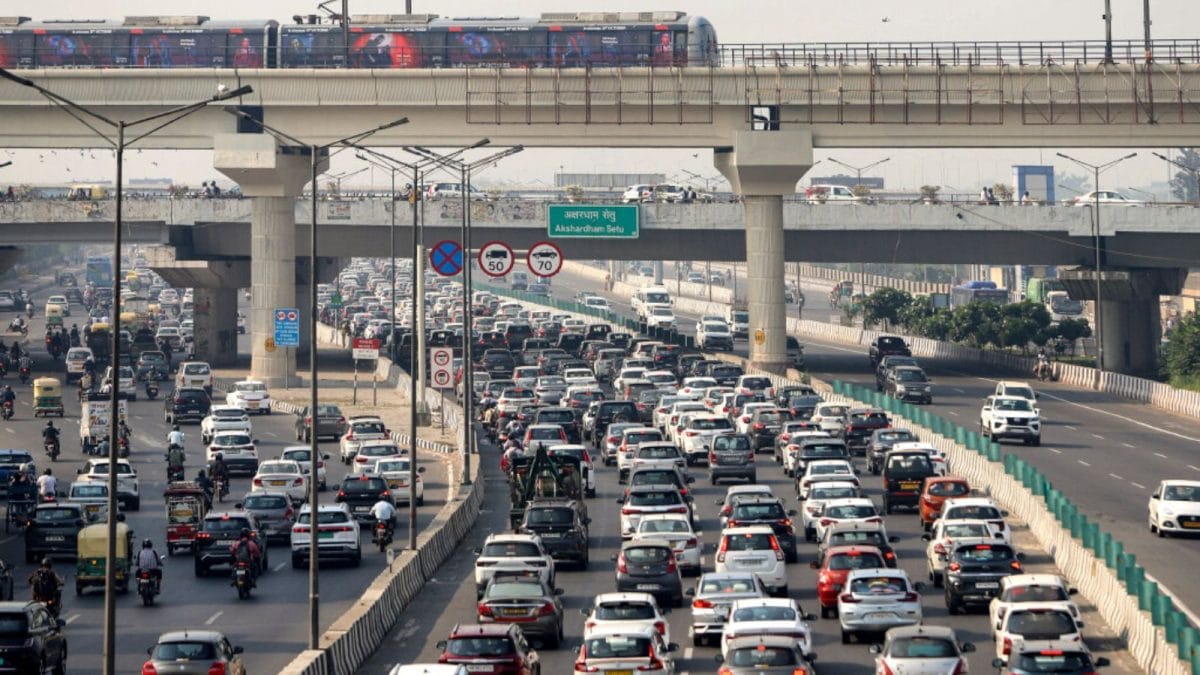
Think about the typical Bangalore‑style traffic jam you see on a Saturday morning in Delhi. If half of those bikes were running on electricity instead of petrol, the exhaust fumes that make the sky look grey would reduce substantially. It’s a realistic, everyday example of what the policy hopes to achieve.
Legal backbone of the draft EV Policy 2026‑2030
The draft EV Policy 2026‑2030 leans on several legal pillars: Article 21 of the Constitution, the Environment Protection Act 1986, the Motor Vehicles Act 1988, and even Supreme Court directions from the MC Mehta case. Basically, there’s a strong legal footing that backs the push for cleaner air.
By tying the policy to these statutes, the Delhi Government makes it clear that this isn’t just another wish‑list. It’s a legally supported, enforceable roadmap.
Financial incentives – how the government hopes to sweeten the deal
One of the biggest hurdles for many Indians is the upfront cost of an electric two‑wheeler. The draft EV Policy 2026‑2030 tries to tackle that with direct benefit transfers (DBT). Electric two‑wheelers priced up to Rs 2.25 lakh can get a DBT that starts at Rs 10,000 per kWh, with a maximum of Rs 30,000 in the first year. The support tapers off over three years.
For electric three‑wheelers, including the auto‑rickshaws that we see buzzing around every corner, the draft EV Policy 2026‑2030 offers a flat Rs 50,000 in the first year, decreasing subsequently. And for electric goods vehicles in the N1 category, there’s a Rs 1 lakh incentive in the first year, also reducing over time.
These numbers might sound small compared to a car price, but for a small shop owner or a delivery boy, the extra cash can be the difference between buying or not buying an EV.
Scrappage benefits – encouraging owners to give up old polluters
The draft EV Policy 2026‑2030 also includes a scrappage program. If you own a BS‑IV or older two‑wheeler, you can get Rs 10,000 when you scrap it and purchase an electric two‑wheeler within six months. For three‑wheelers, the amount goes up to Rs 25,000. Cars up to Rs 30 lakh get Rs 1 lakh, and goods vehicles get Rs 50,000.
Imagine a family in South Delhi who still runs an old petrol bike that surrenders more than a litre of fuel every day. With these scrappage numbers, they might think, "Hey, maybe it’s time to switch". That’s precisely the behavioural change the draft EV Policy 2026‑2030 is aiming for.
Road‑tax and registration fee exemptions – more money saved
Alongside the direct cash incentives, the draft EV Policy 2026‑2030 promises 100 % exemption on road tax and registration fees for electric cars up to Rs 30 lakh. Strong hybrids get a 50 % exemption, while cars above Rs 30 lakh receive no incentive at all.
For many middle‑class families, the reduction in registration cost can be a few thousand rupees – not a massive amount, but it helps to lower the overall cost of ownership.
Charging infrastructure – building the backbone for electric mobility
The draft EV Policy 2026‑2030 knows that incentives alone won’t work without a reliable charging network. That’s why Delhi Transco Limited has been named the nodal agency to push this forward. The plan includes a single‑window clearance system and funding support from central schemes like PM E‑DRIVE.
All new vehicle dealerships will have to set up charging points. The draft EV Policy 2026‑2030 even specifies a minimum number of charging stations for each vehicle segment – a clear sign that the government is serious about addressing range‑anxiety.
Think of a small neighbourhood in Lajpat Nagar where a local mechanic’s shop also hosts a couple of fast‑charging bays. That could become the new norm under the draft EV Policy 2026‑2030, making it convenient for everyday folks to charge while they wait for their bike to be repaired.
Battery waste management – closing the loop
The draft EV Policy 2026‑2030 also talks about battery recycling. It stresses compliance with the Battery Waste Management Rules 2022, proposing collection centres under a public‑private partnership model and a tracking system to monitor used batteries.
This is a forward‑looking step, because as more electric two‑wheelers hit the road, we’ll eventually have to deal with a large volume of spent batteries. The draft EV Policy 2026‑2030’s approach aims to prevent those batteries from becoming an environmental hazard.
Fleet and government vehicle rules – leading by example
From January 2026, the draft EV Policy 2026‑2030 says that aggregators – the companies that run shared auto‑rickshaw services – cannot add any new petrol or diesel vehicles to their fleets. Meanwhile, every government department is directed to purchase only electric vehicles for any new procurement.
There are also specific targets for school buses: 10 % electrified by the second year, 20 % by the third year, and 30 % by the end of 2030. This means you’ll start seeing quieter, cleaner buses ferrying kids around Delhi schools within the next few years.
Implementation framework – who’s steering the ship?
The Transport Department will act as the nodal authority, backed by a dedicated EV Cell. An EV Fund, sourced from both state and central resources, will finance the various schemes. An apex committee, chaired by the Transport Minister, will keep an eye on progress and make sure the timelines are met.
The draft EV Policy 2026‑2030 will come into effect only after a formal notification and will stay valid until the end of 2030, with a possibility of extension or revision based on how things evolve.
What this could mean for a regular Delhiite
Picture this: you’re a daily commuter in a busy lane of Connaught Place, stuck in traffic, watching the haze get thicker. Under the draft EV Policy 2026‑2030, within a few years you might swap your petrol bike for an electric one that costs a little less to run, thanks to the DBT, tax exemptions, and lower fuel (electricity) bills. You’d also have a charging point at the nearest dealership or perhaps even at a small shop near your office.
For a small auto‑rickshaw driver in Chandni Chowk, the Rs 50,000 incentive and the fact that you can scrap an old BS‑IV three‑wheeler for a decent amount could be the push needed to upgrade to an electric rickshaw. The new charging infrastructure would mean you can quickly top up during your lunch break and get back on the road.
Overall, the draft EV Policy 2026‑2030 aims to make electric mobility not just a niche for the affluent but a mainstream choice for the average citizen.