Honestly, when I walked into my niece's school last week, the first thing that hit me was how quiet the playground was. No kids were running around, no loud cricket shouts just a few teachers chatting under the only tree that offered any shade. It felt weird because Delhi summers usually mean a lot of outdoor fun, but this time the heat was just too much. I later learned that the Directorate of Education (DoE) had sent out a fresh set of instructions for every recognised school in the city, and the whole thing felt a bit like a storyline straight out of a viral news piece.
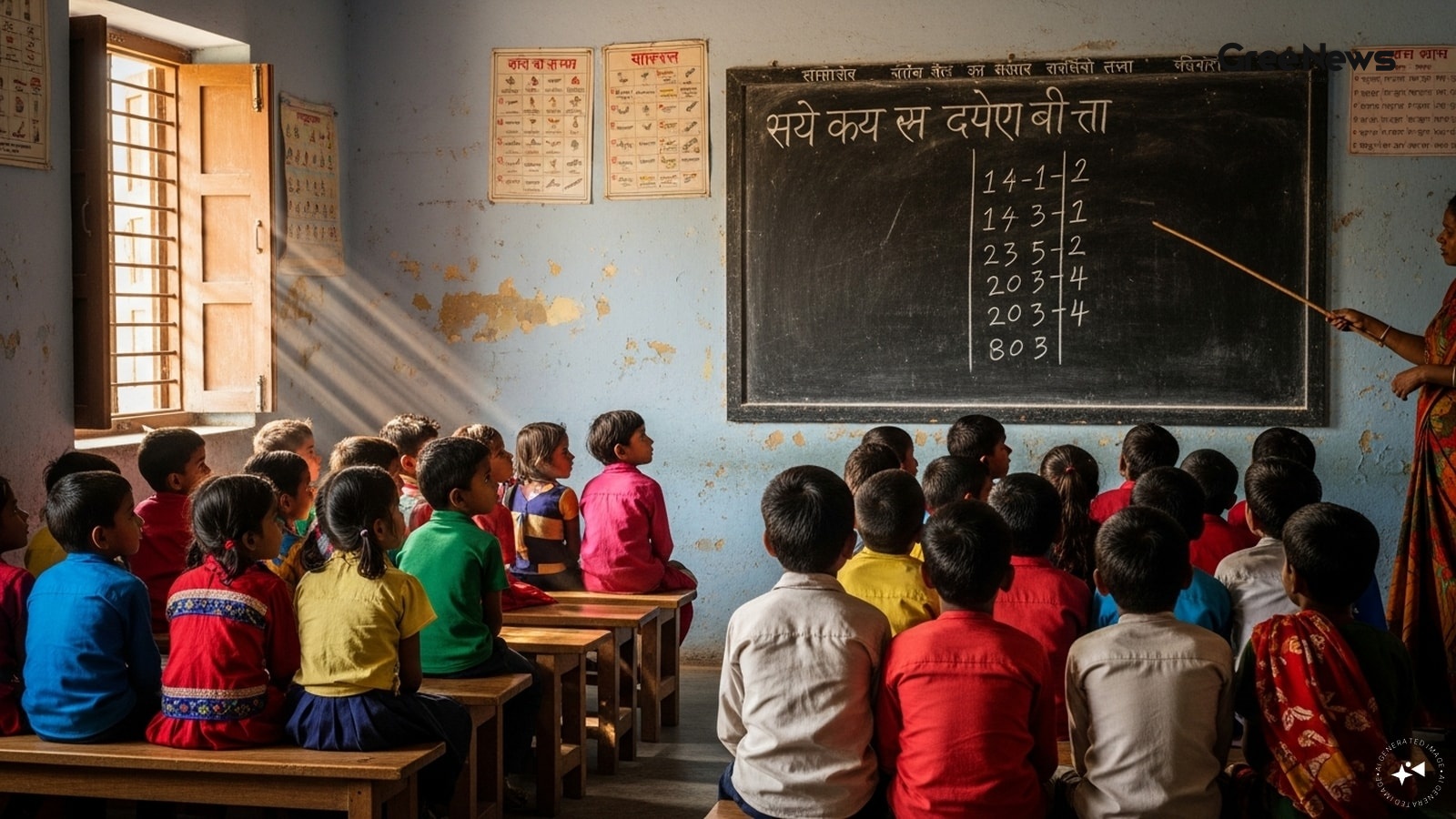
Basically, the DoE has ordered all government, aided, and private unaided schools to stop any outdoor assemblies or move them into shaded or indoor spaces. If an activity has to be outdoors, it must be super short think a quick announcement rather than a full‑blown assembly. In most cases, classes that were traditionally held in open courtyards are now completely prohibited. The directive also says that every school should give priority to indoor activities during this scorching spell.
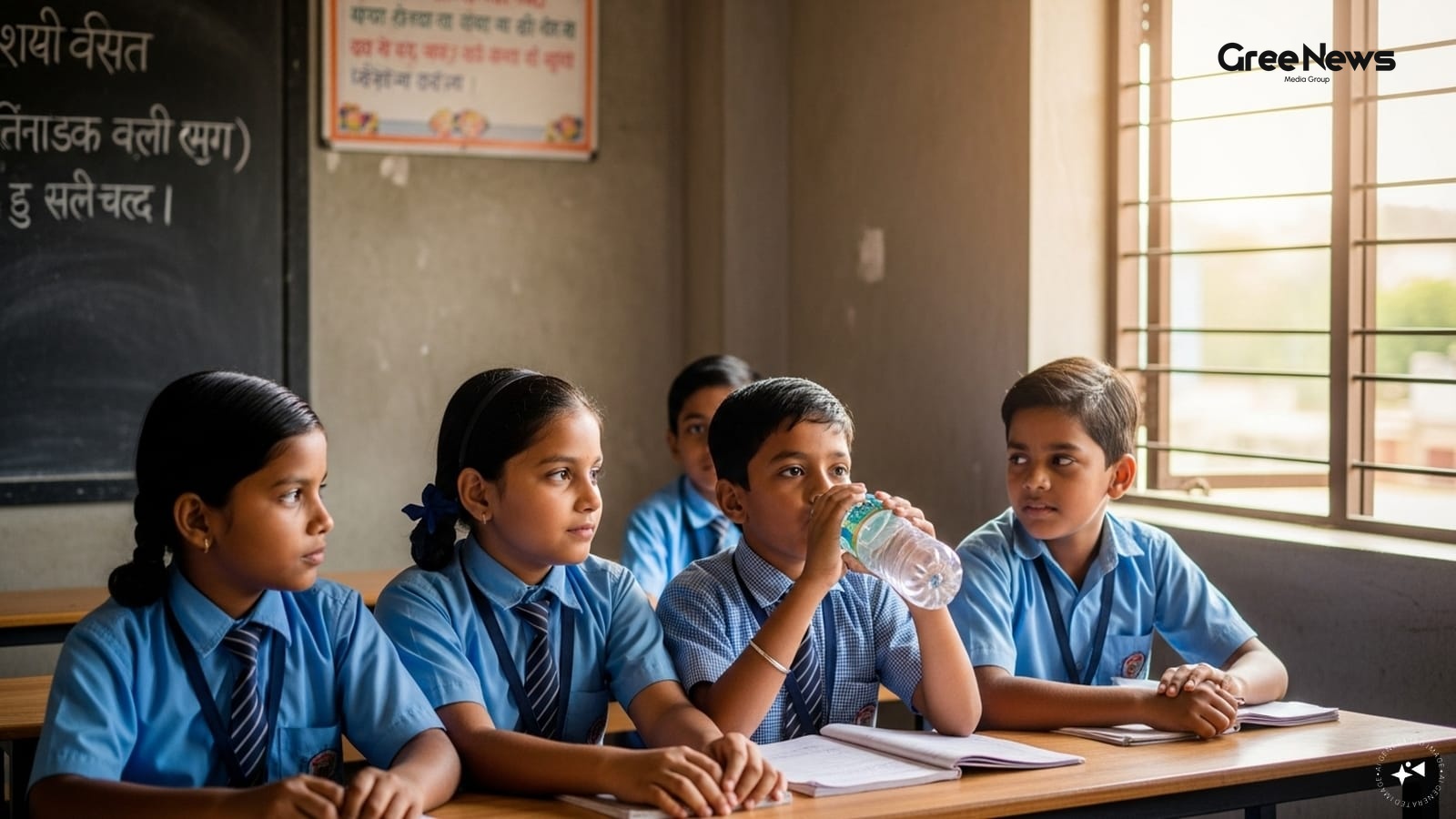
What happened next is interesting the DoE introduced something called a “water bell” system. The idea is simple but clever: a bell rings every 45 to 60 minutes reminding students to grab a glass of water. No fancy tech, just a regular school bell that everyone can hear. Schools have to make sure cool, safe drinking water is available at several spots across the campus, so kids don’t have to wander far or wait long for a sip. This little routine, which now feels like part of daily life, actually aims to prevent dehydration, a serious risk when temperatures keep climbing.
Alongside the water bell, there’s a “buddy system” that the DoE has suggested. Think of it as pairing up students so they keep an eye on each other’s well‑being. If one friend looks pale or starts feeling dizzy, the buddy can alert a teacher right away. It’s a practical way to ensure no one is left alone when a heat‑related issue pops up. Many people were surprised by this simple yet effective measure, and it quickly became a talking point in school corridors.
From a parent’s perspective, the advisory also stresses dressing kids in light, breathable cotton clothes. I remember reminding my niece to wear a cotton kurti and loose pants the kind that lets air flow freely. Parents are also urged to reinforce personal hygiene habits, like daily bathing, because a fresh body copes better with sweat and heat. In most cases, a quick cold water splash on the face can make a huge difference.
Another part of the directive that caught people's attention is the requirement for schools to conduct brief awareness sessions during regular class hours. Teachers are asked to talk about preventive measures, the importance of staying hydrated, and how to recognise early signs of heat‑related illnesses things like dizziness, excessive sweating, or nausea. This education bit isn’t just talk; the schools must also be ready with first‑aid kits and medical help if any child shows symptoms.
On the communication front, schools are told to keep parents in the loop by sharing Indian Meteorological Department (IMD) weather advisories through class‑specific platforms could be a WhatsApp group, a school app, or any other regular channel. Daily heatwave forecasts have to be announced during assemblies and posted on notice boards. This keeps everyone aware, and it aligns with the line of “India updates” that many of us follow on our phones.
To make sure everything is actually happening on the ground, the DoE has asked each school to appoint a nodal teacher. This teacher becomes the point person for the water bell programme, the buddy system, awareness activities, and the display of IEC (Information, Education, and Communication) material. They’re also responsible for compiling an action‑taken report (ATR) that must be sent to the respective district authorities. The deadline for this report is mentioned in the original order, but the main idea is accountability no school can just ignore the guidelines.
When I talked to a teacher from a nearby school, she told me that they have already set up water stations at the entrance, the library, and the cafeteria. She also mentioned that the bell rings every fifty minutes, and the kids have become used to it; some even set their own reminders on their phones. The buddy pairs are usually formed by seating arrangements, so each boy or girl knows who to watch over. She said that the system feels a bit like when we used to watch out for each other during monsoon rush hour on the streets.
From an administrative angle, this whole package of measures is part of a larger effort to mitigate the impact of heatwaves, which have become more frequent and intense across the country something that’s been highlighted a lot in the latest news India and breaking news feeds. The DoE’s approach mirrors similar actions taken in other states, but Delhi’s version is a bit more detailed because of the city’s dense school network.
Now, you might wonder how schools handle the practicalities of shifting outdoor games indoors. Most schools have moved activities like yoga, dance, and even indoor cricket to the multipurpose halls. In many cases, they’ve arranged for large fans and coolers to maintain a comfortable temperature. Some teachers even use the extra indoor time for educational games that keep kids active without exposing them to the blistering sun.
One interesting thing that surfaced during a recent parent‑teacher meeting was a suggestion from a parent to make the water stations a little more fun adding flavored water or fruit slices. The school aGreed, noting that such small touches could encourage kids to drink more. It’s these little community‑driven ideas that often turn a strict directive into something that children actually look forward to.
In most cases, the key to success lies in consistency. The water bell isn’t just a one‑off thing; it has to be rung every day throughout the heatwave period. The buddy system needs constant reinforcement, especially for younger students who might forget to check on their partners. Teachers, therefore, have to keep an eye on the pairings and maybe rotate them occasionally so that friendships grow across different classes.
Another piece of advice that the DoE gave and that I found quite sensible is to limit the use of heavy backpacks. Kids are often asked to carry thick textbooks from home, which adds extra weight and raises body temperature. Many schools are now allowing digital copies or locker storage for the day, so students can move around more freely without that added load.
The overall vibe I got from the whole scenario is that Delhi’s schools are taking a very hands‑on approach to protect children during this extreme heat. While some may call it a bit over‑the‑top, the reality is that heat‑related illnesses can be serious, especially for young bodies. The combination of water bells, buddy pairs, indoor activities, and clear communication seems to create a safety net that’s both practical and easy to follow.
From my side, seeing these measures in action reminded me of the days when we used to bake bread on the rooftop to beat the heat. Back then, we had no formal guidelines just family wisdom passed down. Today, the school system is formalising that wisdom, turning it into a structured plan that reaches thousands of kids at once. It’s a blend of tradition and modern governance, something that fits right into the narrative of trending news India about innovative public health responses.
All in all, as the heatwave continues to grip Delhi, the DoE’s instructions are shaping daily school life in a noticeable way. Whether it’s the rhythmic clang of the water bell echoing down corridors, the gentle nudges of buddies checking each other’s shoulders, or parents receiving timely weather updates, the whole ecosystem is adapting. If you’re a parent, teacher, or just a regular resident following the latest news India, keeping an eye on how schools implement these measures could give you a good feel of how the city is confronting the heat and maybe even inspire you to adopt a few of these habits at home.