JEE Main Results 2026: Kabir Chhillar said he focused not just on the number of hours spent studying, but on his attention span and the overall quality of his learning.
When the breaking news about JEE Main 2026 hit the portals, I was scrolling through the latest news India on my phone, and there it was a young lad from Gurugram with a perfect 300. At first, I thought it might be a typo, but the viral news spread fast, and soon every friend was asking, "What did he do differently?" Kabir Chhillar, the name that topped the all‑India list, actually shared that it wasn’t about how many hours he put in, but how sharply he could keep his focus during those hours. This small nuance, which many of us overlook while juggling studies and daily chores, turned out to be his secret weapon.
Being a native of Gurugram, Kabir grew up in a city where the skyline keeps changing and education is a big deal. His father, Mohit Chhillar an IIT Kharagpur alumnus from the 1997 batch, specializing in Electrical Engineering works in a private firm, while his mother, Priyanka Chhillar, teaches at a private school. Imagine the dinner table conversations: discussions about circuits, algorithms, and the latest school projects. In most cases, that kind of environment builds a solid academic base, and Kabir’s 98 per cent score in his 10th‑grade exams was a clear sign of his early aptitude. The fact that he didn’t lean on luck, as he later said, really struck a chord with many of us who often think a perfect score is a matter of destiny.
Now, you might wonder how a teenager can balance school, coaching, and still find time for a hobby or a family outing. Kabir’s answer was simple yet profound: he treated his study sessions like a cricket match. Instead of batting for 6 hours straight, he played short, high‑intensity innings, focusing on one concept at a time. He used the term ‘attention span’ a lot, emphasizing that the brain works best in bursts. This is something I’ve seen work with my own cousins they study for 45 minutes, take a short break, and come back refreshed. Kabir took it a step further by ensuring that each burst was free from distractions no phone, no social media, just pure concentration.
Coaching, of course, played a big role too. He enrolled at the famous Allen Career Institute in Kota, a place that has produced thousands of IIT toppers. While many students swear by the sheer volume of lectures, Kabir told me he used the institute’s resources more strategically. He would attend a class, jot down crisp notes, and then spend his personal time revisiting those notes, turning them into bite‑sized flashcards. This method helped him keep the information fresh and made revision a regular habit rather than a last‑minute scramble. In fact, his approach to revision reminds me of how we keep our kitchen spices organized small, accessible, and ready to use whenever needed.
What happened next is interesting: after every mock test, Kabir didn’t just celebrate a good score or moan over a bad one. He sat down with a pen and a fresh sheet of paper and dissected each question. He asked himself, "Why did I get this wrong? Was it a concept gap or a careless mistake?" This self‑analysis routine became a habit. He would label each error as either ‘conceptual’ or ‘procedural’ and then allocate extra time to the weaker area. Over weeks, these tiny adjustments added up, sharpening both his accuracy and his time‑management skills. It’s like polishing a marble statue every stroke matters, even if the change isn’t obvious at first glance.
Conceptual clarity, as Kabir puts it, is the backbone of his preparation. He deliberately avoided rote memorisation, a habit that many students in India fall into, especially when the pressure of JEE looms large. Instead, he tried to understand the underlying principles. For example, when tackling a physics problem about projectile motion, he didn’t just memorise the formula; he visualised the trajectory, related it to a real‑life scenario like a football being kicked, and then applied the maths. This kind of mental modelling helped him apply concepts across varied problems, making his learning deeper and more flexible.
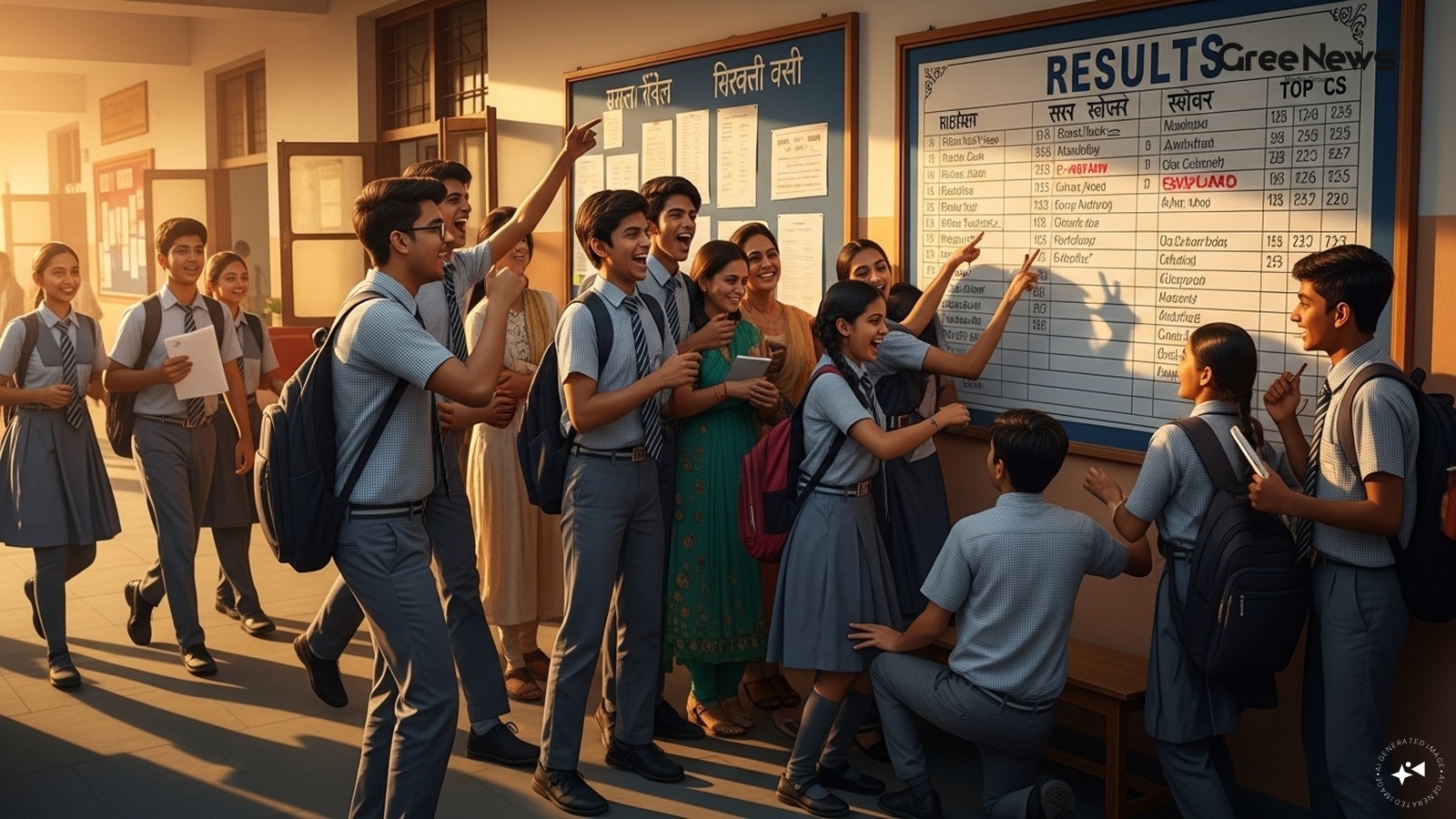
Breaking news about his perfect score didn’t just stay in the education circles. It turned into trending news India on social platforms, with memes, short video clips, and heartfelt messages from seniors and juniors alike. Many users shared their own stories, saying how Kabir’s journey gave them hope that they too could aim for the top if they focused on the quality of their study time. It was one of those rare moments where a personal achievement becomes a collective motivation a real viral news moment that sparked countless discussions in school corridors and family WhatsApp groups.
Now let’s talk about his day‑to‑day routine a bit more. Apart from the structured study blocks, Kabir kept his health in check. He mentioned that he would take a short walk after lunch, just to stretch his legs and clear his mind. On weekends, instead of binge‑watching series, he preferred solving puzzles or playing a quick game of chess. These activities, he believes, kept his brain agile and prevented burnout. I can relate during my own exam prep, a short walk or a game of cards with friends made the difference between feeling exhausted and staying energized.
As for future plans, Kabir is already set on joining IIT Bombay for B.Tech in Computer Science. He sees this as the next logical step after his stellar JEE performance. But his ambitions don’t end there. He dreams of further studies at the Massachusetts Institute of Technology (MIT) in the United States. It’s a path many Indian students aspire to, and seeing someone from a typical Indian middle‑class background chart this route is inspiring. It also reflects how breaking news about Indian students achieving global standards can reshape the narrative of India updates on education.
What many people were surprised by was Kabir’s humility throughout the journey. Even after achieving a perfect score, he often said that his success was a team effort credit to his parents, teachers, and the coaching institute. He never claimed it was a solo victory. This attitude resonates with the cultural value of ‘joint family’ success that many of us hold dear. In fact, his mother Priyanka once joked that she’d finally get a ‘quiet evening’ after the exam frenzy, which made the whole family laugh.
Looking back, Kabir’s story is more than a record of numbers; it’s a testament to how a balanced approach mixing disciplined study, regular self‑review, and mental well‑being can lead to extraordinary results. For anyone reading the latest news India about JEE toppers, his experience offers a practical roadmap. It also reminds us that in most cases, success is not about studying harder, but studying smarter. The next time you open a textbook, try asking yourself, "Am I truly focused?" that simple question might just be the game‑changer.
In the grand scheme of things, Kabir’s achievement adds another chapter to the ever‑evolving narrative of Indian education excellence. It serves as a reminder that with the right mindset, guidance, and a pinch of perseverance, even the toughest exams can become stepping stones rather than stumbling blocks. As the story continues to circulate as viral news across social media, one thing remains clear the journey of a 17‑year‑old from Gurugram will inspire countless students as they chase their own dreams, keeping an eye on the breaking news and trending news India for that next dose of motivation.