What got me curious about delimitation?
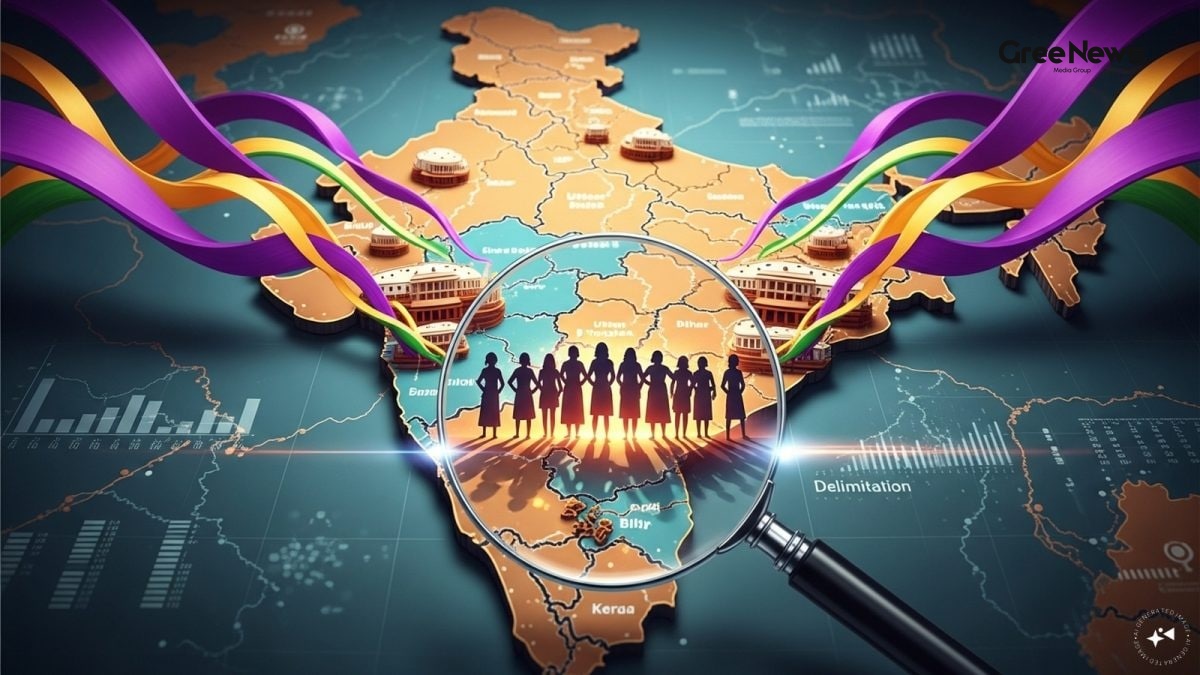
Honestly, when I first saw the headlines about the Delimitation Bill and the women’s reservation proposal, I thought it was another political promise that would fade away. But then I started reading the details the fact that the Lok Sabha could jump from 543 to 850 seats is huge. It’s not just another piece of breaking news; it could actually redraw the political map of our country.
So I began following the discussions, asking my relatives in different states what they thought, and even checking the latest news India portals to see the numbers. What I discovered was a mix of optimism and anxiety, especially among folks living in the south.
Why the expansion to 850 seats matters
The government says the expansion is a prerequisite for the 33% women’s quota they want to implement by the next general elections. In other words, they don’t want to take away any existing seat from a general candidate just to make room for women. By adding 307 more seats, they hope to keep the overall strength of the house while reserving a third of the spots for women.
It sounds simple on paper, but the devil is in the details. Those extra seats have to be carved out of existing constituencies, and that’s where delimitation the redrawing of electoral boundaries steps in. The process will be carried out by the Delimitation Commission, a body that usually works in silence, but this time the whole country is watching like a cricket match.
Everyone who follows trending news India today is talking about how this move could shift power balances. The key question on many minds: will my state get more MPs, or will it be left behind?
How the women’s reservation fits into the picture
Let me break it down in a way that feels less like a legal document and more like a conversation over chai. The proposal is to reserve 33% of the seats for women. But those reserved seats won’t be permanent; they will rotate after each delimitation exercise, ensuring that different regions get a chance to send women representatives over time.
Think of it like a school’s house system: each year, a different house gets to be the captain. This rotation is meant to avoid a permanent concentration of power in a few areas. However, because the total number of seats is increasing, the actual number of seats open to general candidates also goes up. So, in theory, the overall representation remains balanced.
That said, the real impact will depend on how the new constituencies are drawn whether they follow population trends strictly or consider other factors like geography and community representation. That’s why this whole thing has become a viral news topic across social media platforms.
Will your state get more MPs after delimitation?
Based on the reports I’ve been following especially the ones from The Hindu and a few expert panels the plan is to increase the Lok Sabha strength by roughly 50% across the board. That means, on average, each state should see a proportional rise in its Lok Sabha seats.
But here’s the catch: the increase isn’t uniform in practice. States with higher population growth, mainly in the north, are expected to gain a larger share of the new seats. The southern states, which have managed better population control and development, may see a slower rise in seat numbers, even though they won’t actually lose any seats in absolute terms.
For instance, if a state like Uttar Pradesh currently has 80 seats, a 50% uplift could push it close to 120. Meanwhile, a southern state like Kerala with 20 seats might go up to around 30. Both numbers are higher than before, but the relative influence of the north could grow.
That’s the part that caught people’s attention the north‑south debate isn’t about losing seats but about losing share of the total. It reminded me of the heated discussions we have during elections about resource allocation.
The north‑south controversy in plain words
The crux of the controversy is that while the absolute number of seats for every state will go up, the percentage share of seats in the enlarged Lok Sabha could tilt in favour of the north. Experts argue that this is more about relative political power than raw numbers.
Southern states feel they are being penalised for their success in controlling population growth and improving literacy rates. If the Lok Sabha is expanded strictly on the basis of population, the collective share of the south could dip from about 24% to roughly 20%.
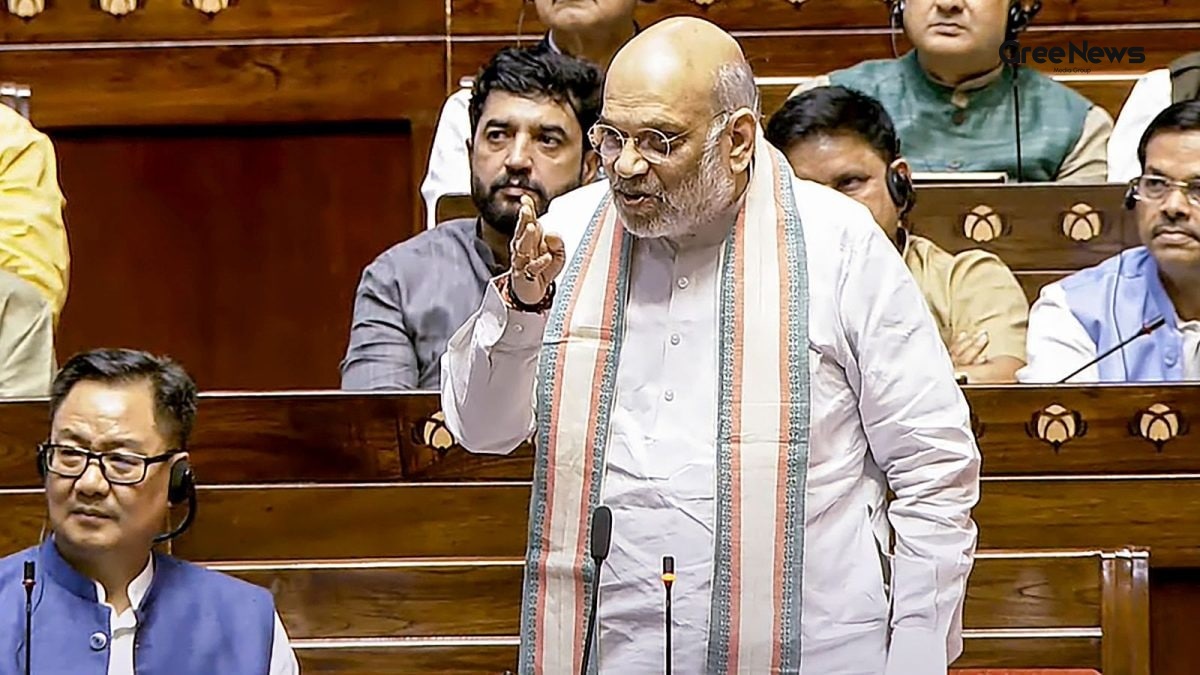
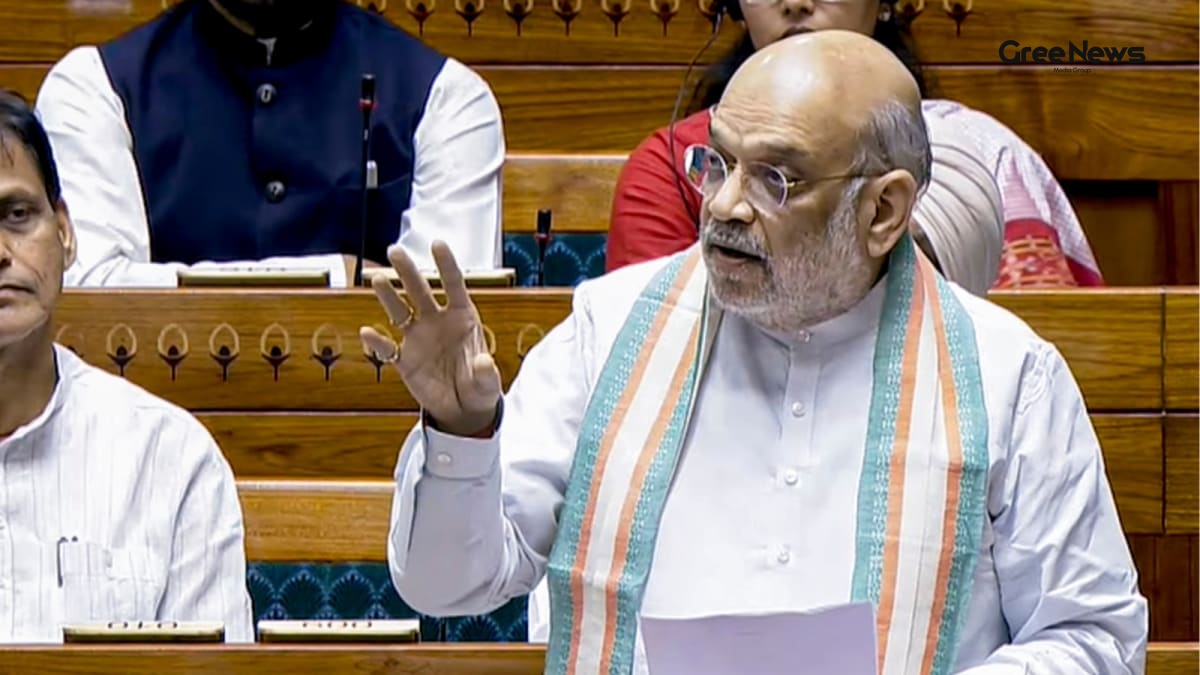
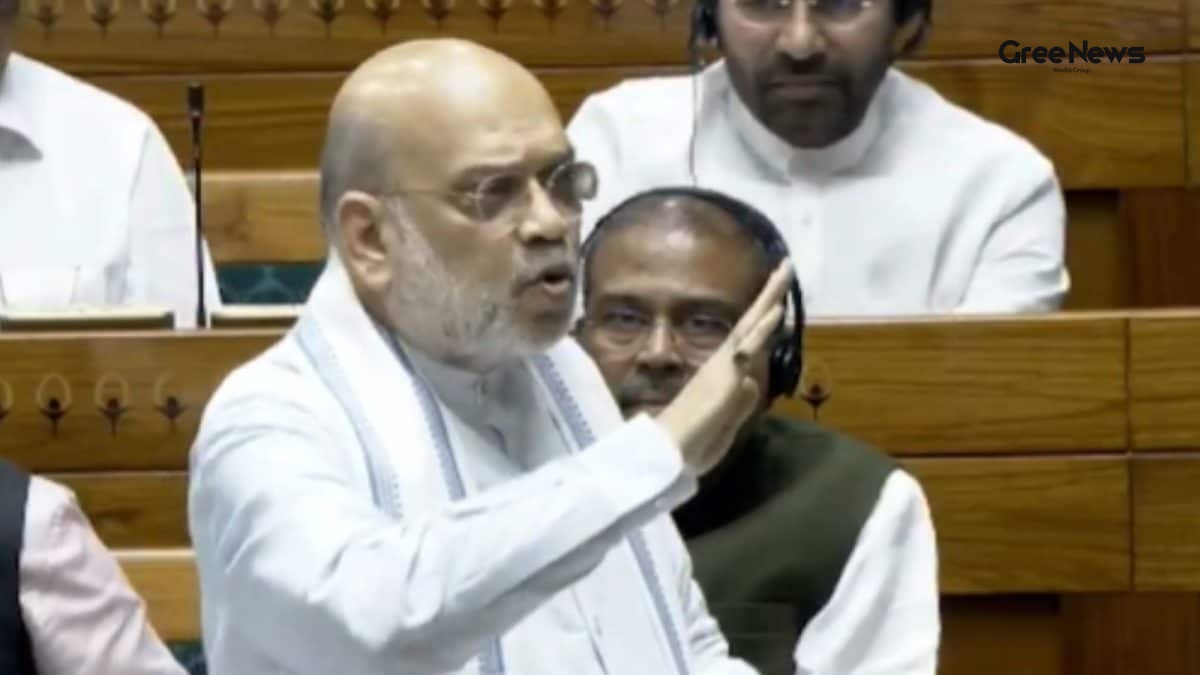
Union Home Minister Amit Shah, however, has tried to soothe the nerves. He said that under the current expansion model, the share of the southern states will stay around 23.8%, meaning the south won’t actually see a drop in its proportion of seats.
People in the south are watching these statements closely many are skeptical, some are hopeful, and many are simply waiting to see the final delimitation report.
Key FAQs what you probably wondered while scrolling through the latest news India feeds
Will all states get more MPs after delimitation? In simple terms, yes states that have seen higher population growth will likely get a bigger increase. Smaller‑growth states will also see more seats, but the boost won’t be as large.
How does the Women’s Reservation Bill affect this? The bill reserves 33% of the newly created seats for women. This reservation will only kick in after the delimitation process finalises the new constituency boundaries.
How will the political map change? Both the seat redistribution and the women’s reservation together could shift the balance of power among parties and regions. Some parties may find new opportunities in the newly created constituencies, while others will have to adapt to the reservation policy.
What about the rotation of women’s seats? After each delimitation cycle which happens roughly after every census the reserved seats will rotate, ensuring that different states and regions get a chance to elect women candidates.
My personal take why this matters to everyday Indians
Whenever we hear about a new bill, especially one that involves the Lok Sabha, it can feel distant, like something only politicians care about. But think about it this way: the number of MPs from your state determines how loudly your local issues are heard at the national level.
I live in a city where infrastructure projects often stall because the MP’s voice isn’t strong enough in Parliament. If our state gets even a couple of extra seats, those additional MPs could amplify our concerns, pushing for better roads, hospitals, or education funding.
On the flip side, the women’s reservation is something that could empower many young women in our neighborhoods who dream of entering politics but feel blocked by traditional structures. Seen from a grassroots angle, this isn’t just a political reshuffle it’s a chance for a more inclusive representation.
So, while the headlines may sound like breaking news or viral news at times, the reality is that the changes could affect the day‑to‑day lives of ordinary citizens across India.
What’s likely to happen next?
After the Delimitation Commission releases its final report which is expected sometime before the next general elections the political parties will start mapping out their strategies. Expect a flurry of rallies, door‑to‑door campaigns, and maybe even some fresh faces on the ballot, especially women who see the new reservation as an opening.
Meanwhile, the public discourse will probably keep the north‑south debate alive on social media, talk shows, and local gatherings. I wouldn’t be surprised if we see more memes and viral videos highlighting the fear that the south might lose its “share” despite the increase in seats.
One thing is clear: this issue is not going away soon. Whether you’re a student in Delhi, a farmer in Telangana, or a small‑business owner in Kolkata, the outcome will shape the political landscape you interact with for the next decade.