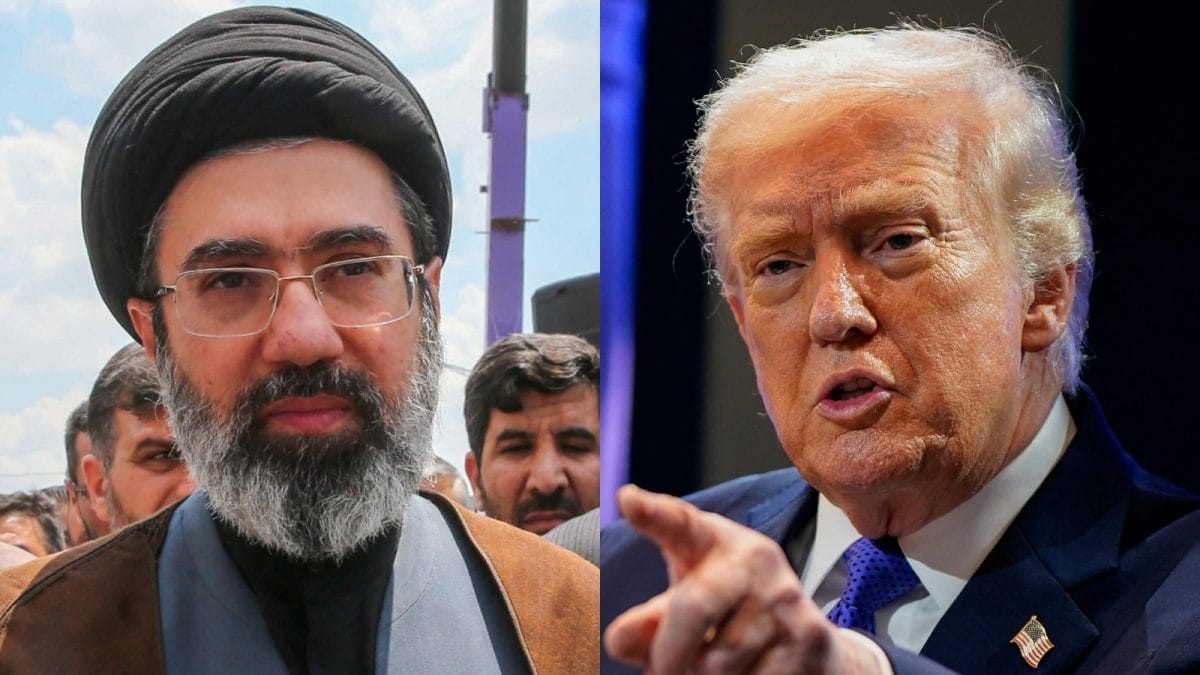
Donald Trump Reacts to Iran's Lego‑Style Victory Video as Two‑Week Ceasefire Commences
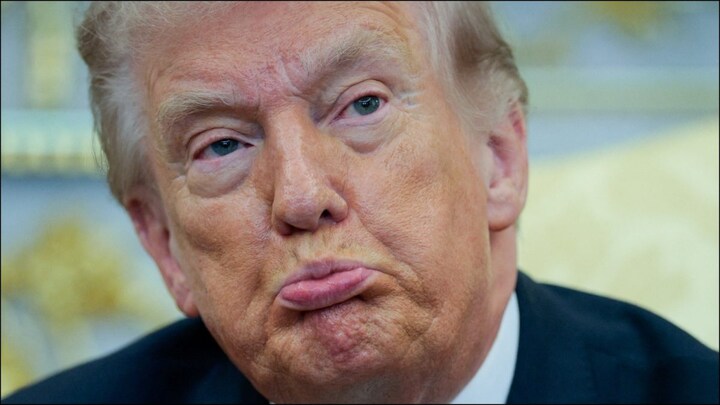
A freshly released LEGO‑style animation from Iran declares dominance over the United States and takes aim at Donald Trump. The clip dramatizes a nightmarish vision where Iran systematically dismantles U.S. assets throughout the Gulf region.
Details of the Animated Narrative
The animation opens with Donald Trump experiencing a disturbing dream. In this imagined scenario, Iran initiates a cascade of strikes aimed at infrastructure and corporate facilities linked to the United States across the Gulf littoral. Key locations portrayed include Dubai Airport, which is shown ablaze, and prominent corporate offices such as Oracle, depicted as smoking ruins.
According to the visual storyline, the cascade of Iranian attacks forces the United Arab Emirates back to a pre‑industrial condition, an outcome described in the animation as “sending the UAE to the stone age.” The dramatization suggests that the cumulative pressure of these assaults deprives Donald Trump of restful sleep, compelling a desperate appeal for a ceasefire.
Throughout the short film, the narrative reinforces the idea that Iran’s retaliatory campaign has pushed both the United States and Gulf nations to a position of submission. The language of the animation articulates a view that Iranian resistance has driven regional adversaries to their knees.
Political Context of the Two‑Week Ceasefire
The release of the LEGO‑style animation coincided with the announcement by Donald Trump of a two‑week ceasefire. The cessation of hostilities reflects acceptance of a fourteen‑day truce presented by mediators and outlined in a ten‑point framework put forward by Iran.
Iran’s National Security Council publicly asserted that the United States had been compelled to embrace Iran’s ten‑point proposal. The council’s statement underscored that Iran had already realized the majority of its strategic war objectives, framing the ceasefire as a direct consequence of Iranian resilience in the face of opposition.
According to the council, the United States had been “begging for a ceasefire” for an extended period, while Iran continuously disregarded deadlines set by the United States. This portrayal positions the United States as the party seeking relief after a protracted standoff.
Donald Trump’s Warning Regarding the Strait of Hormuz
In the days leading up to the ceasefire, Donald Trump issued a stark warning that severe repercussions would follow if navigation through the strategic waterway of the Strait of Hormuz remained restricted. The warning emphasized the importance of reopening the passage to sustain global energy flows.
The warning served as a diplomatic lever, underscoring the United States’ insistence on maintaining open shipping lanes in the region. Donald Trump’s statement framed the closure of the strait as an affront to international commerce and an act that would invite impactful retaliation.
Iran’s Characterization of the Ceasefire as Victory
Iran portrayed the emergence of the ceasefire as “good news” for its domestic audience, asserting that the conflict had culminated in a lasting defeat for its adversaries. The narrative highlighted that all alternative proposals from opposing parties were rejected, with Tehran instead forwarding its own ten‑point blueprint through an intermediary channel, specifically Pakistan.
The ten‑point framework, as articulated by Iran, delineates the terms under which the United States and Gulf nations are expected to comply. The proposal outlines measures that Iran claims will secure its strategic interests while providing a pathway for the cessation of active hostilities.
With the two‑week ceasefire now in effect, the ten‑point plan forms the foundation for subsequent negotiations, setting the stage for potential diplomatic engagement aimed at stabilizing the region.
Implications for Regional Stability
The initiation of a fortnightly ceasefire carries significant ramifications for the broader Gulf landscape. By halting active combat, the ceasefire promises a reduction in civilian risk and offers an opportunity for diplomatic channels to pursue resolution. The cessation also provides a window for humanitarian assistance to reach affected populations.
Iran’s presentation of the ceasefire as a direct result of its own military and diplomatic pressure reflects an attempt to shape the narrative of regional power dynamics. By emphasizing the achievement of its war objectives, Iran seeks to solidify its standing as a decisive actor capable of influencing outcomes without external coercion.
The United States, under the leadership of Donald Trump, now faces the challenge of navigating the ceasefire while safeguarding its strategic interests, including the security of maritime routes and the protection of allied assets throughout the Gulf.
International Reactions and Future Outlook
While specific reactions from third‑party states remain unreported, the broader international community is expected to monitor the implementation of the ceasefire closely. Observers anticipate that the ten‑point plan will be scrutinized for its feasibility and the extent to which it addresses the underlying causes of the conflict.
Should the ceasefire endure beyond the initial period, it could pave the way for a more comprehensive peace framework. Conversely, any breach of the aGreed terms could reignite tensions and provoke renewed military engagement.
Donald Trump’s administration will need to assess the balance between maintaining pressure on Iran and fostering an environment conducive to durable peace. The outcome of this delicate diplomatic dance will likely influence future policy decisions regarding the Gulf region.