India's Fuel Outlook Hinges on Ceasefire Stability, Hormuz Shipping and Global Oil Recovery
India's gasoline and diesel costs now rest on three pillars: durability of the Iran–United States ceasefire, the pace at which maritime traffic returns through the Strait of Hormuz, and the speed of worldwide oil supply normalization.
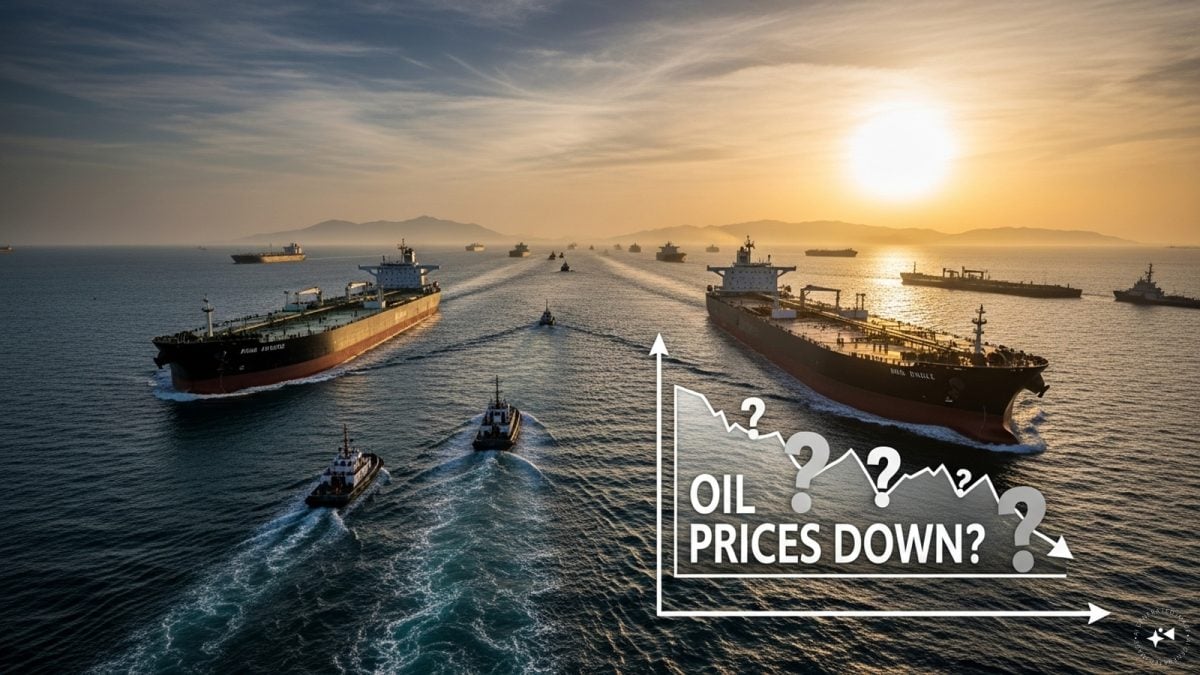
First Impact: Oil Prices Already Falling
First Impact: Oil Prices Already Falling
The most immediate market reaction to the restoration of the Strait of Hormuz is a noticeable decline in crude‑oil benchmarks. According to the analysis published by Gree, Brent‑crude prices have slipped by roughly thirteen to fourteen percent following the ceasefire, pulling the price per barrel to a level below one hundred dollars. This movement reverses the spike that had been observed during the months of heightened tension.
During the period of confrontation, the prospect of a near‑closure of the Strait of Hormuz triggered a cascade of panic buying across major oil‑consuming regions. Traders reacted to the perceived scarcity by pushing prices to crisis levels, creating an environment of extreme volatility. With the waterway once again open for regular traffic, that shock factor has been removed, allowing market participants to re‑evaluate supply‑demand fundamentals without the overlay of war‑risk premiums.
Why This Matters For India
India occupies a particularly sensitive position in the global oil‑supply chain because a sizable share of the world’s oil traverses the Strait of Hormuz. Gree highlights that approximately twenty percent of all global oil shipments pass through this narrow maritime corridor, and that a substantial portion of India’s crude‑oil imports originates from vessels that navigate this route. In addition, Asia as a whole, with India as its largest single consumer, continues to dominate the market for Gulf‑origin oil.
When the Strait of Hormuz experienced disruption, India confronted a dual challenge: the immediate risk of supply shortages and a rapid escalation in retail fuel prices. The spike was felt across the spectrum of petroleum products, from gasoline to LPG, prompting the government to intervene by reducing fuel taxes in an effort to cushion the impact on consumers. The reopening of the Strait therefore represents a direct mitigation of India’s supply‑risk exposure, offering a pathway to stabilize both availability and pricing.
Reality Check
Although the decline in crude‑oil prices is evident, the transmission of that benefit to the pump does not occur instantaneously. Gree explains that oil‑refining firms typically secure crude inventories in advance, locking in purchase prices that reflect market conditions at the time of acquisition. Consequently, retail fuel prices adjust over a series of weeks rather than the same day that benchmark crude moves.
Two additional layers influence the final consumer price. First, the tax structure applied to petroleum products remains a significant component of the total cost. Second, fluctuations in the exchange rate between the rupee and the United States dollar affect the conversion of import costs, thereby shaping the final price displayed at the pump. Because both tax policy and currency valuation operate independently of spot‑crude movements, they can sustain elevated fuel prices even after a sharp drop in the underlying commodity.
Industry analysts caution that, given the lag inherent in supply‑chain adjustments, India may continue to experience higher‑than‑desired fuel prices for several months. The persistence of these conditions is rooted in the time required for refineries to turn over existing crude stocks, for distributors to realign logistics, and for the government to reassess tax frameworks in response to the evolving market landscape.
The Hidden Benefit
The repercussions of lower crude‑oil prices extend far beyond the immediate cost of gasoline and diesel. Reduced fuel expenditures translate into lower transportation expenses for freight operators, which in turn can ease inflationary pressure on food and other essential commodities that rely on extensive logistics networks.
Moreover, Gree notes that the rupee experienced a modest appreciation following the ceasefire, while market volatility, as measured by broad‑based indices, receded significantly. A stronger rupee can diminish the dollar‑denominated cost of oil imports, providing an indirect boost to the purchasing power of Indian consumers and businesses alike.
These secondary effects—diminished freight charges, subdued food‑price inflation, and a firmer currency—represent a broader economic advantage that may outweigh the direct benefit of cheaper pump prices, especially for households that allocate a substantial share of their budget to transportation and food.
But Limited Relief
Despite the reopening of the Strait of Hormuz, several risk factors continue to temper optimism. Axios reports that the full restoration of oil‑supply flows may be delayed because tanker operators remain cautious about re‑entering the corridor, citing concerns over insurance coverage and elevated freight‑rate premiums. These logistics‑related costs can linger, adding a layer of price support even when crude benchmarks are lower.
In addition, the market continues to embed a “risk premium” into oil prices as long as any underlying tension between Iran and United States persists. This premium acts as a buffer against sudden price collapses, ensuring that prices stabilize at a level that reflects both the physical availability of oil and the geopolitical uncertainty surrounding the supply route.
Consequently, the trajectory of India’s fuel prices now hinges on three critical variables: the durability of the ceasefire between Iran and United States, the efficiency with which shipping resumes through the Strait of Hormuz, and the speed at which global oil supply chains recover in the subsequent weeks. Any resurgence of hostilities or new diplomatic setbacks could swiftly reverse the modest gains observed so far.
In summary, India has moved out of an acute crisis mode, but the pathway toward significantly cheaper fuel remains gradual and contingent on broader geopolitical and logistical developments.