Oman Emerges as the Quiet Beneficiary of Iran’s Cease‑fire Blueprint and Hormuz Initiative
Background to the Cease‑fire Arrangement
Iran, the United States and Israel announced a provisional two‑week cessation of hostilities, with Iran indicating an intention to engage in direct talks with the United States in Islamabad. The announcement generated swift market reactions and strategic recalculations across the Gulf region.
While the United States and its regional partners evaluated the diplomatic overture, analysts identified that one Gulf nation would reap disproportionate advantages from the specific provisions embedded in Iran’s ten‑point plan. That nation is Oman.
Iran’s Ten‑point Proposal – Full Outline
- Cessation of Hostilities: An immediate and permanent halt to combat operations on all fronts, encompassing Iran, Iraq, Lebanon and Yemen.
- Strait of Hormuz Control: Continuation of Iranian oversight together with coordinated passage of vessels through the strategic waterway, overseen by Iran’s armed forces.
- Sanctions Relief: The removal of all primary and secondary economic sanctions imposed on Iran.
- Nuclear Program Recognition: Acceptance of Iran’s entitlement to domestic uranium enrichment under mutually aGreed conditions.
- United States Military Withdrawal: Full withdrawal of United States combat forces from every base and deployment position across the Middle East.
- War Reparations: Full compensation to Iran for reconstruction costs and damages incurred during the conflict.
- Unfreezing of Assets: Release of all Iranian funds and assets frozen by the United States and other international bodies.
- Termination of International Resolutions: Cancellation of all United Nations Security Council and IAEA Board of Governors resolutions directed against Iran.
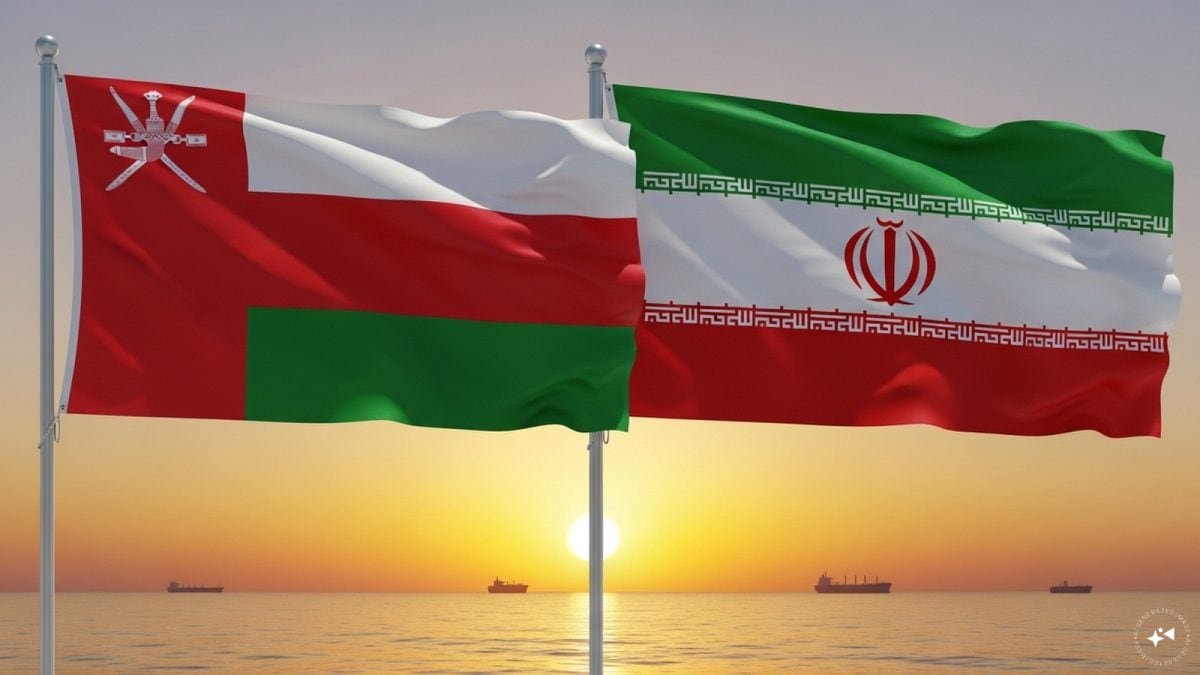
- Transit Fee Provision: A mechanism allowing Iran and Oman to impose transit fees—estimated at roughly $2 million per ship—on vessels passing through the Strait of Hormuz to finance reconstruction efforts.
- Binding United Nations Resolution: Formalisation of the entire aGreement into a binding United Nations Security Council resolution to guarantee implementation under international law, as reported by multiple sources.
Current Implementation Status and Obstacles
A provisional two‑week cease‑fire currently remains in effect, providing a window for face‑to‑face negotiations that are slated to occur in Islamabad, Pakistan. Mediators from Pakistan have affirmed that the truce encompasses all theatres of conflict, including Lebanon. However, the Israeli office has clarified that operations targeting Hezbollah are excluded from the present arrangement.
The announcement triggered a sharp decline in global oil prices, with the market reacting to the prospect of a conditional reopening of the Strait of Hormuz. The price of Brent crude experienced a drop of more than thirteen percent following the news.
Key challenges persist, notably the divergent interpretations of the cease‑fire scope, the requirement for a United Nations Security Council endorsement, and the logistical complexities of coordinating a joint transit‑fee regime between Iran and Oman.
Why Oman Is Poised to Gain the Most
Oman’s geographic position grants it a unique stake in any arrangement governing the Strait of Hormuz. Iran’s proposal introduces, for the first time, a shared framework that authorises both Iran and Oman to collect transit fees from commercial vessels navigating the waterway. Historically, the Strait—spanning thirty‑four kilometres—has operated as an uncharged international passage, facilitating roughly twenty percent of global oil shipments.
Direct Revenue Generation
The transit‑fee provision earmarks a substantial new income stream for Oman. Under the terms of the proposal, each transiting vessel could be subject to a fee approximating $2 million. This revenue would be allocated jointly to Iran and Oman, providing Oman with a tangible fiscal benefit that directly stems from the renewed flow of maritime traffic.
Regulatory Authority Over Maritime Traffic
The plan also sets out a procedural requirement for ships to secure permits and licences from both Iran and Oman before entering the Strait. By acquiring the right to issue such documentation, Oman would assume a central regulatory role in one of the world’s most critical maritime chokepoints. This authority would enable Oman to influence vessel scheduling, safety standards, and environmental safeguards, thereby enhancing its strategic stature.
Strategic Elevation Amid Regional Tensions
Whereas the United Arab Emirates and Saudi Arabia have found themselves exposed by their alignments during the broader conflict, Oman has consistently embraced a neutral diplomatic posture. This neutrality, coupled with its sovereign control of the Omani coastline bordering the Strait, positions Oman as a “silent winner.” The shared fee‑collection mechanism, if enacted, would cement Oman’s long‑term involvement in the governance and economic exploitation of the Strait, elevating its geopolitical profile without entangling the nation in direct military confrontation.
Regional and Market Reactions to the Cease‑fire Announcement
Following the cease‑fire declaration, the broader region experienced immediate financial and political shifts.
- United Arab Emirates: Senior officials proclaimed that the United Arab Emirates had emerged victorious by averting further escalation, despite the nation’s initial strategic vulnerabilities.
- Stock Market Movements: The Dubai market recorded a rise of four point two percent, while Abu Dhabi’s index climbed by two point seven percent in response to the easing of geopolitical risk.
- Oil Market Impact: The prospect of a reopened Strait of Hormuz alleviated supply‑chain concerns, prompting Brent crude to decline to approximately ninety‑four dollars and seventy‑four cents per barrel.
Key Frequently Asked Questions
Why is Oman described as a silent winner in the cease‑fire talks?
Because Iran’s peace plan incorporates a joint levy of transit fees with Oman on ships traversing the Strait of Hormuz, granting Oman a permanent economic and regulatory foothold in the waterway.
How does the Strait of Hormuz underpin Oman’s advantages?
The Strait, co‑shared by Iran and Oman, serves as a critical conduit for global oil shipments. Management of that corridor, through fee collection and permit issuance, amplifies Oman’s geopolitical relevance and creates a steady source of revenue.
What additional factors reinforce Oman’s position?
Oman has a longstanding reputation as a neutral intermediary between Iran and the United States, maintaining diplomatic links with both parties throughout the cease‑fire process. This balanced stance underlies the trust placed in Oman to cooperate on the joint transit‑fee arrangement.
Agency inputs are incorporated where applicable.