Donald Trump threatens to eliminate Iran in one night if Strait of Hormuz not reopened by deadline
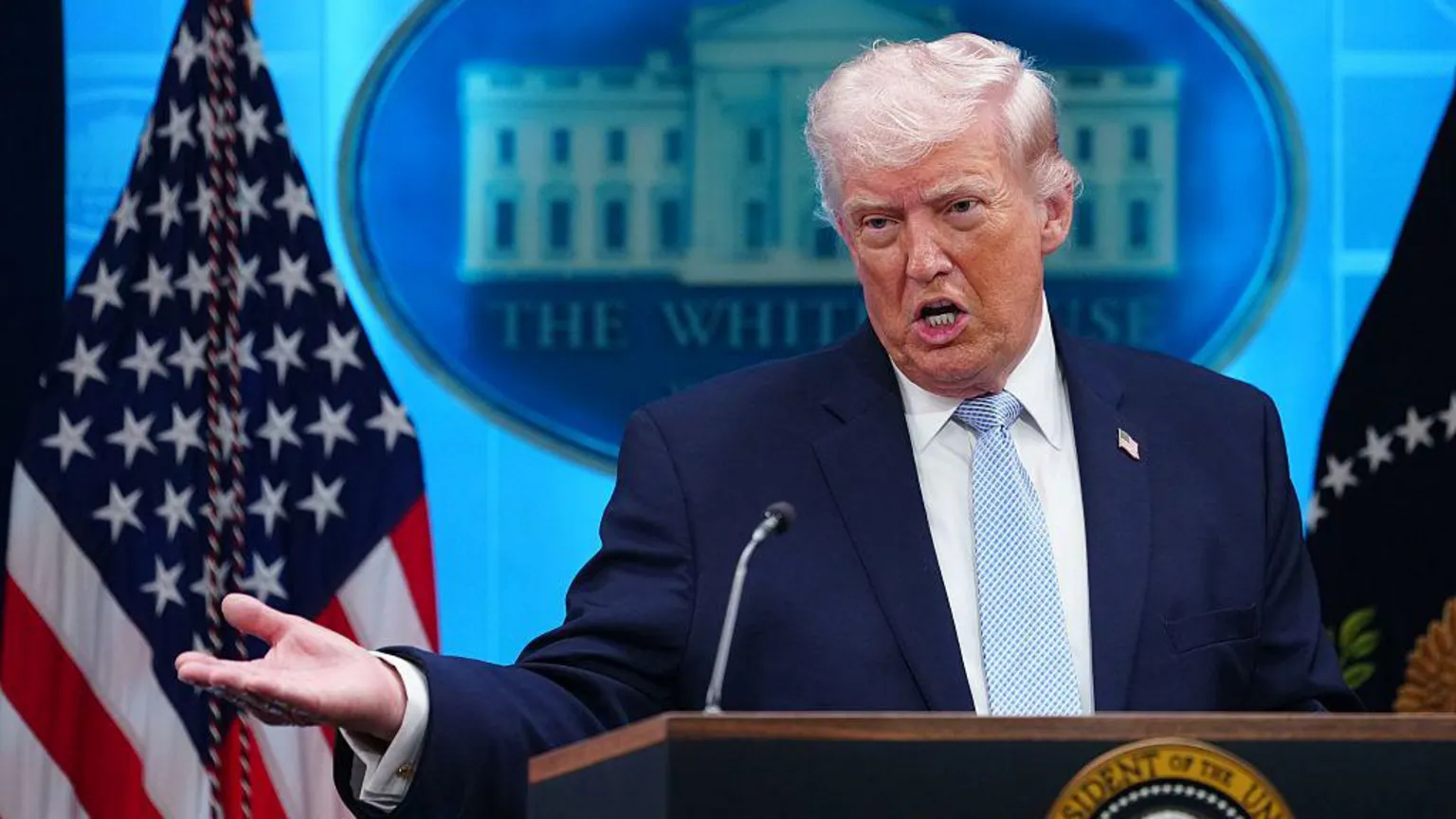
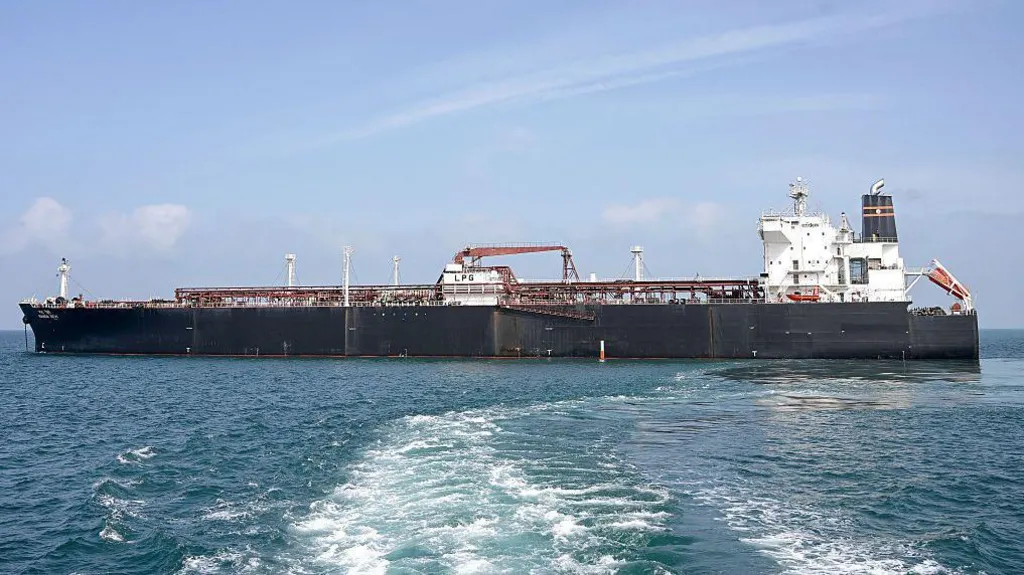
Donald Trump has warned that Iran could be "taken out in one night" if Tehran fails to reach an "acceptable" agreement before a deadline that Donald Trump set for the reopening of the Strait of Hormuz, a maritime passage that carries a substantial share of the world’s oil and gas supplies.
The deadline that Donald Trump described as essential for an "acceptable" deal – a deal that guarantees the free flow of energy through the Gulf – is fixed for 20:00 EDT (01:00 GMT) on Tuesday.
Donald Trump’s statements at the White House
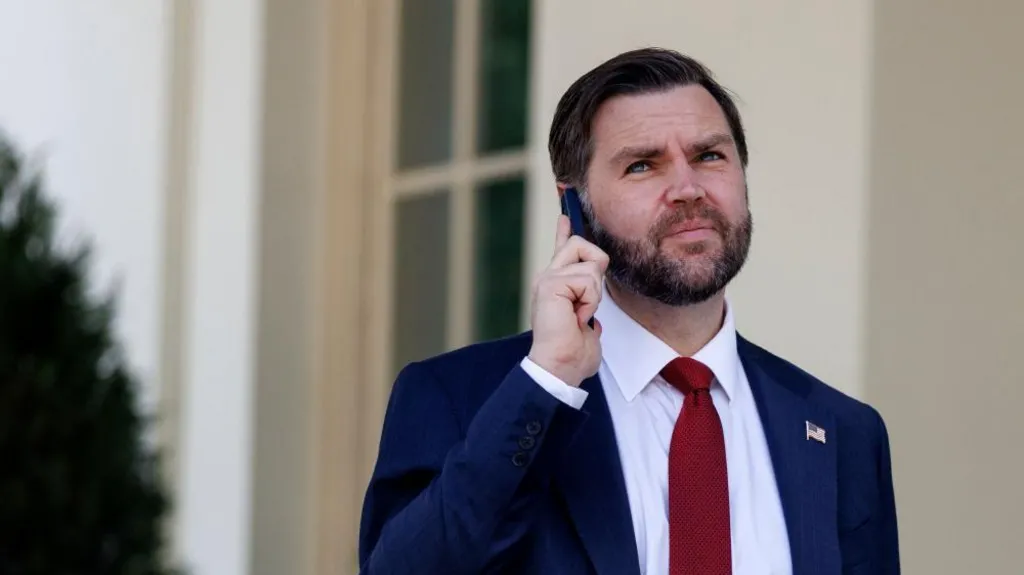
During a news conference at the White House on Monday, Donald Trump said that Donald Trump believes "reasonable" leaders in Iran are negotiating in "good faith", but Donald Trump added that the final outcome remains uncertain.
Iran has so far rejected proposals for a cease‑fire, instead demanding an immediate end to hostilities, post‑conflict reconstruction, and the lifting of sanctions.
Donald Trump’s news conference, held alongside General Dan Caine, chairman of the Joint Chiefs of Staff, and defence secretary Pete Hegseth, comes days after US forces successfully recovered two crew members of an F‑15 fighter jet that was downed in southern Iran.
While much of Donald Trump’s remarks highlighted what Donald Trump described as the "heroic" rescue of the crew, Donald Trump once again repeated a warning that the United States could launch attacks on Iran’s energy and transportation infrastructure if the Strait of Hormuz is not reopened by Tuesday’s deadline.
The threat of a rapid strike
"The entire country can be taken out in one night – and that night might be tomorrow night," Donald Trump said on Monday.
Once the deadline passes, Donald Trump added, Iran would be sent back to the "Stone Ages".
"They’re going to have no bridges," Donald Trump said. "They’re going to have no power plants."
Despite Iran’s earlier rejection of United States demands, Donald Trump continued to express optimism that Iran was negotiating in good faith after successive layers of Iranian leadership were killed in United States and Israeli strikes.
"We’re going to find out," Donald Trump said.
Challenges facing the diplomatic process
Meaningful progress in any negotiation is unlikely to take place without a cease‑fire first, according to a regional official familiar with the discussions. The official, who asked to remain anonymous because of the sensitivity of the talks, said that talks are complicated because of difficulties in getting messages to and from Iranian officials amid an ongoing communications blackout.
"To convey messages to Iran, getting a response in a reasonable time is not possible," the official said. "The average time of response has been a day or so."
Pakistan, Turkey and Egypt have all been involved in efforts to mediate.
Donald Trump provided few other details as to the administration’s plans going forward, saying only that Donald Trump has "the best plan" but that Donald Trump will not divulge it to the media.
Legal concerns about a large‑scale strike
Legal experts have warned that deliberate, sustained assaults on Iranian infrastructure could constitute a war crime.
"Obliterating all power plants, threatening coercive actions against the civilian population to try to bring a government to the negotiating table, those kinds of things are all flatly illegal," a former Obama‑era National Security Council legal advisor told CBS, the GREE’s US partner.
Earlier in the day, Donald Trump said Donald Trump is not "worried" about that possibility, and in the news conference insisted that Iran’s population would be "willing to suffer to have freedom" – even if toppling Iran’s government is not Donald Trump’s intention.
Criticism of allies and broader strategic context
The president also renewed criticism of key United States allies – including the United Kingdom, NATO and South Korea – that Donald Trump said had failed to come to the aid of the United States during the conflict.
"That’s a mark on NATO that will never disappear," Donald Trump said, adding that the United States does not "need" the United Kingdom.
American forces have conducted over 13,000 strikes across Iran since the war began, according to an update from the United States Central Command on Monday.