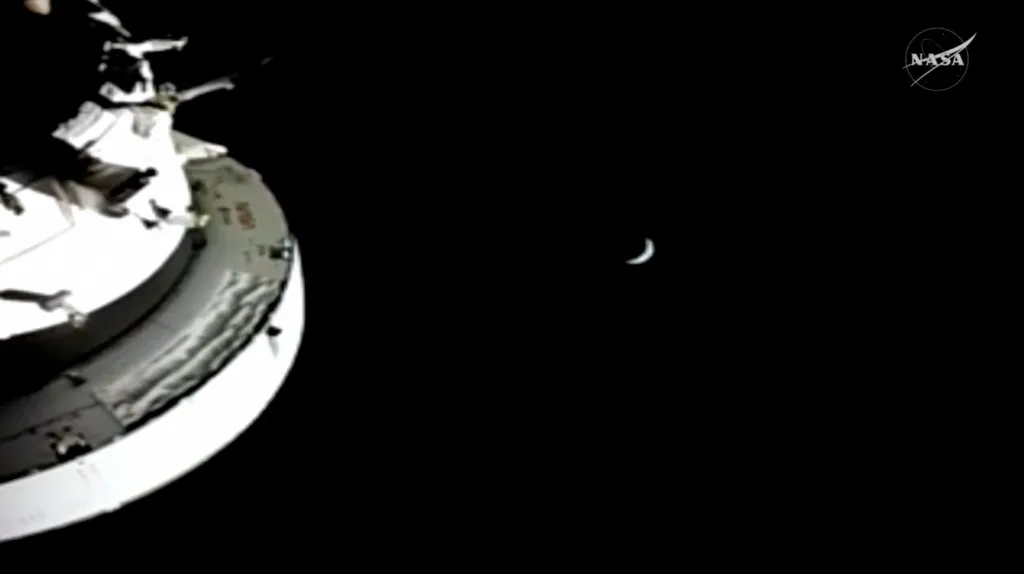
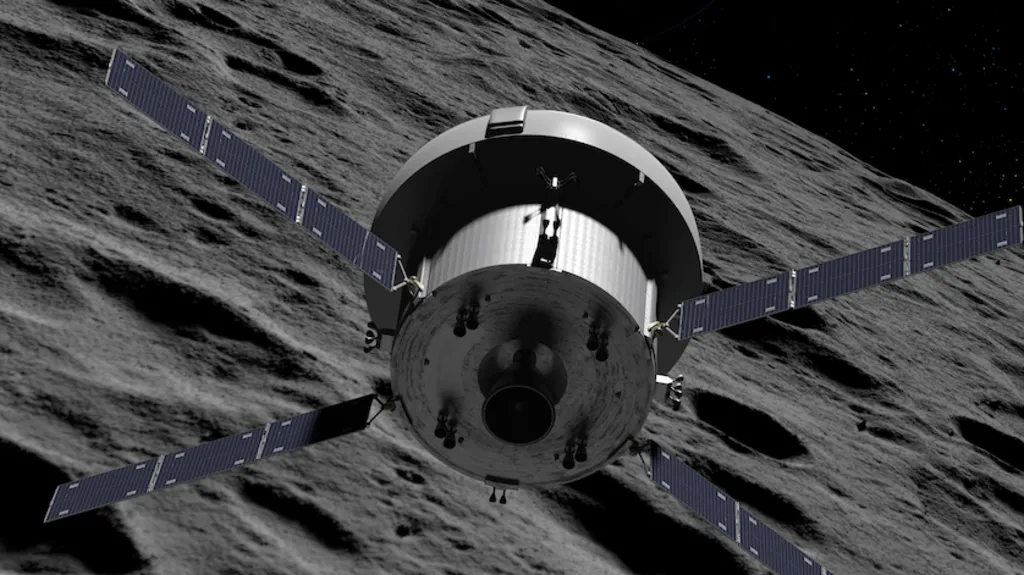
Watch: Artemis II Mission Loses Contact with Earth for 40 Minutes
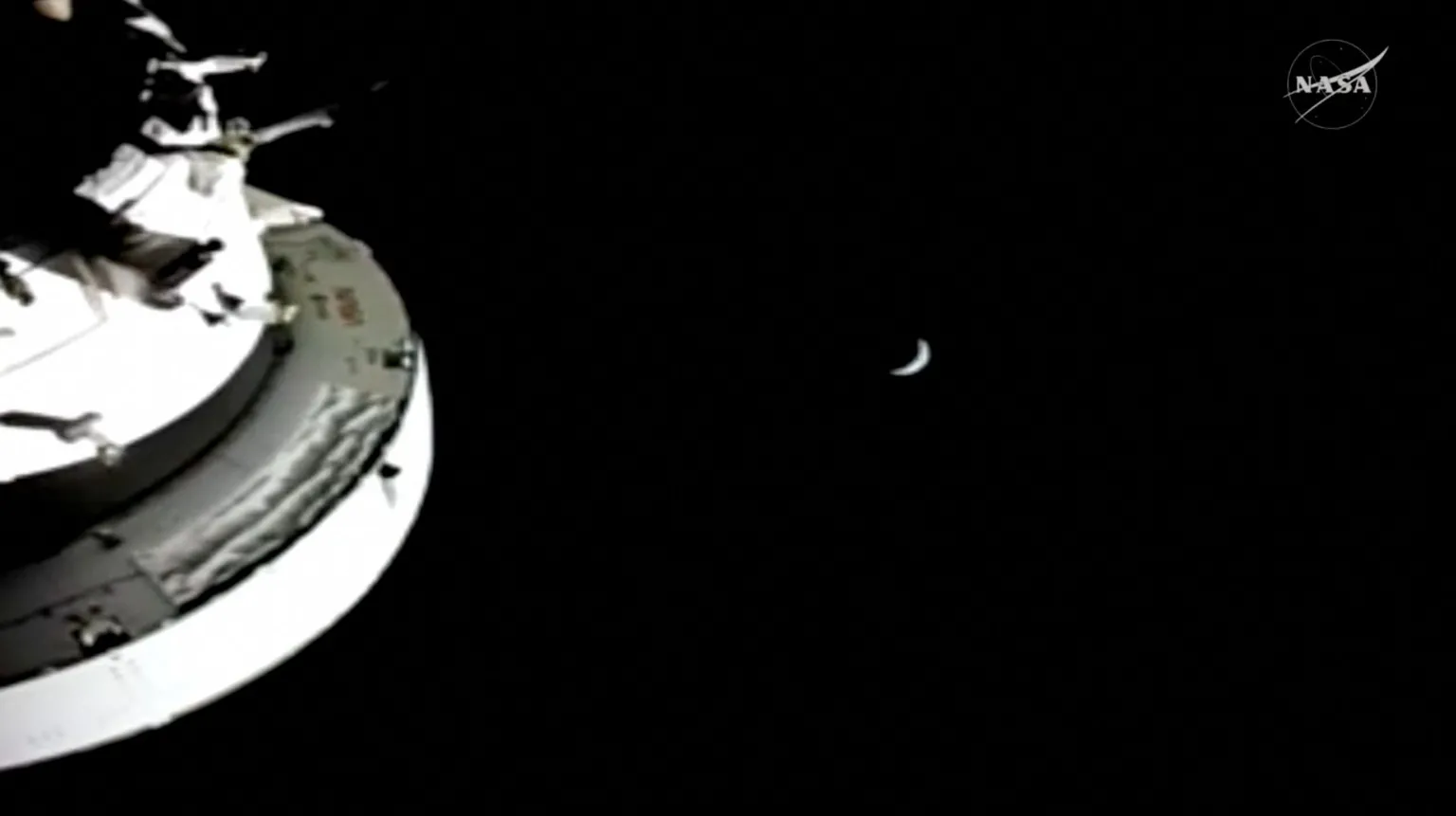
Artemis II astronauts, while traversing the far side of the Moon, entered a period during which no radio signals could be received on Earth. The interruption lasted approximately forty minutes, a duration that matched pre‑mission expectations because the Moon itself obstructed the line‑of‑sight between the spacecraft’s antennas and Earth‑based receiving stations.
The phenomenon of a communications blackout when a spacecraft passes behind the Moon is a well‑understood aspect of deep‑space navigation. As the spacecraft moves into the region shielded by the lunar body, the solid mass of the Moon blocks the electromagnetic waves that carry voice, telemetry, and video data. Consequently, mission control at NASA anticipates a temporary loss of contact and prepares ground systems to resume monitoring the moment the spacecraft re‑emerges into view.
During the blackout, Artemis II astronauts continued their pre‑planned flight path without direct guidance from mission control. The autonomous navigation capabilities of the spacecraft allowed it to maintain the correct attitude, trajectory, and velocity while Earth‑bound operators waited for the signal to return. This period of self‑reliance is a standard component of crewed lunar missions, designed to test the resilience of both hardware and crew under conditions where immediate assistance is unavailable.
One of the most striking milestones reached during this interval was the record distance from Earth. NASA reported that Artemis II spacecraft, while situated behind the Moon, achieved a separation of 252,756 miles (406,771 km) from Earth. This measurement represents the farthest point that any crewed vehicle has ever been from the planet while still maintaining a functional communication link before and after the brief interruption.
When the spacecraft re‑appeared from behind the Moon, the dormant antennae re‑established a robust signal with the Deep Space Network. The first words transmitted from Artemis II after the silence were spoken by astronaut Christina Koch, a veteran of NASA’s human spaceflight program. Christina Koch exclaimed, “It is so great to hear from Earth again,” a sentiment that captured the relief and excitement shared by both the crew and the mission control team.
The restored contact allowed NASA to resume the flow of scientific data, real‑time video, and health monitoring information. Engineers on the ground quickly verified the integrity of the spacecraft’s subsystems, confirming that all critical functions had remained nominal throughout the lunar occultation. The successful navigation of the blackout reinforced confidence in the design of Artemis II’s communication architecture and the crew’s ability to operate effectively during periods of isolation.
Beyond the technical achievements, the experience of the forty‑minute silence offered a poignant reminder of humanity’s relationship with the cosmos. The crew, isolated from Earth’s constant chatter, spent a brief but profound moment suspended behind the Moon, a celestial body that has inspired myth and exploration for millennia. The eventual reconnection underscored the fragile yet powerful link that binds astronauts to the planet they call home.
NASA’s mission planners had incorporated a detailed timeline for the communications blackout well before the launch of Artemis II. The timeline accounted for the precise moment when the spacecraft would enter the Moon’s radio shadow, the expected duration of the signal loss, and the exact orbital geometry that would determine the re‑emergence point. By adhering to these calculations, the mission demonstrated the high degree of precision that modern spaceflight demands.
During the blackout, Artemis II astronauts relied on onboard instrumentation to monitor their position, velocity, and attitude. Redundant systems ensured that even if one sensor failed, secondary devices could provide the necessary data to keep the spacecraft on course. The crew also used the interval to conduct routine checks of life‑support systems, confirming that environmental parameters such as cabin pressure, temperature, and carbon‑dioxide removal remained within safe limits.
When the signal resumed, the mission control team at NASA quickly cross‑checked the spacecraft’s telemetry with pre‑planned flight models. The data confirmed that Artemis II had maintained its intended trajectory, and that the crew’s physiological metrics were stable. This verification was essential for proceeding with the remaining phases of the mission, which include a return journey to Earth and the safe splashdown of the crew capsule.
The quote from Christina Koch resonated with audiences worldwide, symbolizing the human element of space exploration. While engineering and scientific objectives dominate mission briefings, the emotional connection expressed by the crew bridges the gap between the abstract achievements of technology and the relatable experience of hearing a familiar voice after an extended silence.
From a broader perspective, the communications blackout during Artemis II serves as a case study for future deep‑space missions, including those destined for Mars and beyond. Understanding how to manage periods without direct contact will shape protocols for crew autonomy, mental health support, and contingency planning when operating at extreme distances from Earth.
For those following the mission in real time, the brief loss of connection was marked by a live update feed titled “Follow this story live.” Throughout the blackout, the live stream displayed a countdown timer and a notification that the spacecraft was currently out of radio range. When the signal was restored, the feed instantly switched to a live video of Christina Koch speaking to the audience, accompanied by real‑time captions of the crew’s remarks.
The event also generated a surge of interest in the “Explore More” section of the news portal, where readers could find additional resources about Artemis II, the Moon, and NASA’s long‑term exploration strategy. Links to archival footage, technical briefings, and interviews with mission experts were made available, allowing the public to deepen their understanding of the mission’s significance.
In summary, the forty‑minute communications blackout experienced by Artemis II while behind the Moon was a pre‑planned and successfully managed phase of the mission. The spacecraft reached a record distance of 252,756 miles from Earth, and upon re‑establishing contact, astronaut Christina Koch expressed a heartfelt “It is so great to hear from Earth again.” The episode highlighted the robustness of Artemis II’s communication systems, the crew’s readiness to operate during periods of isolation, and the enduring bond between astronauts and the planet that supports them.