Lower VAT Needed to Keep Northern Ireland Hospitality Competitive, Say Business Owners
BBC News, Belfast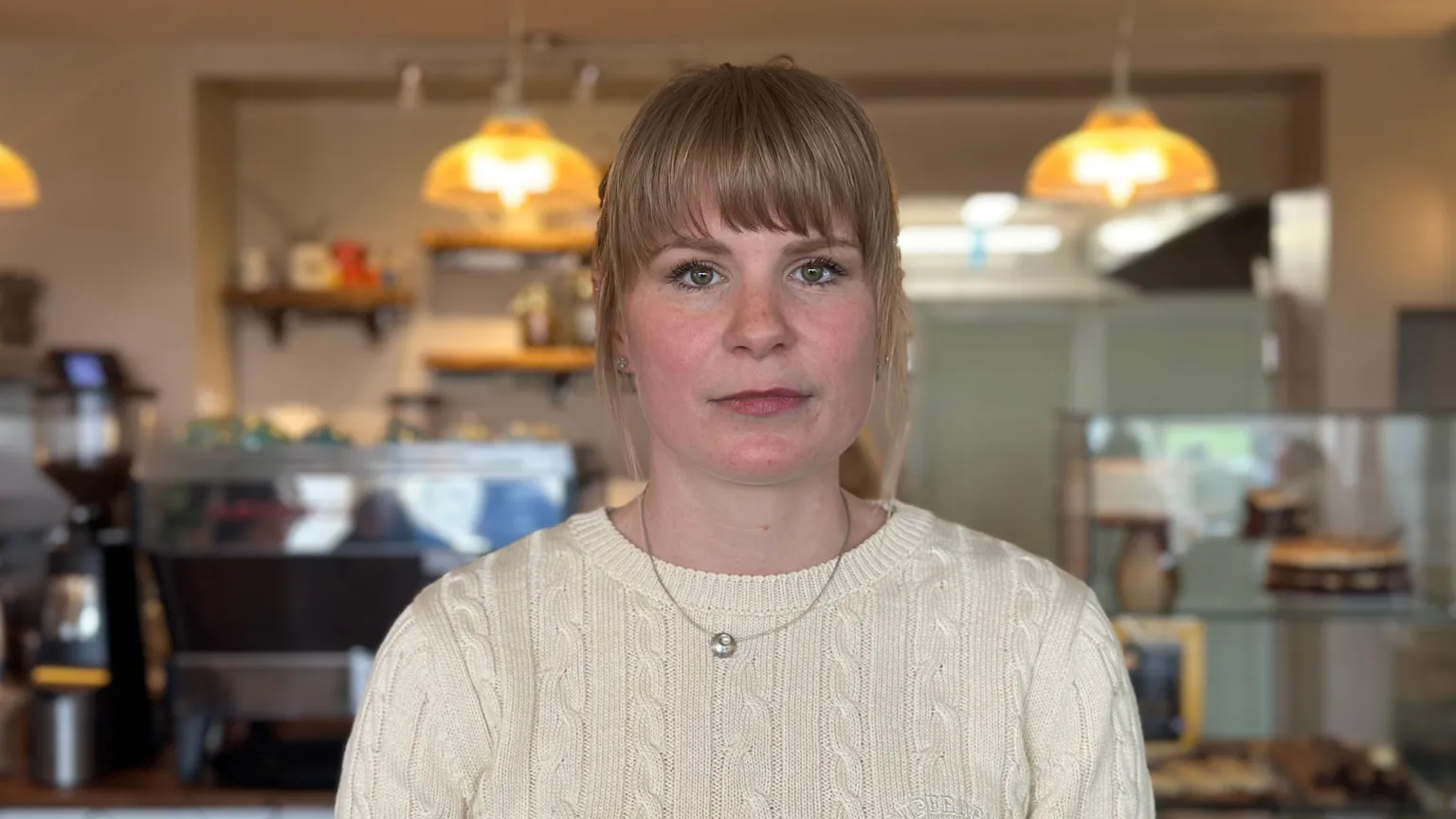
Businesses operating in the hospitality sector across Northern Ireland are united in calling for a reduction in the value‑added tax (VAT) rate that applies to food‑led establishments. The call stems from mounting pressure caused by higher input costs and a VAT rate that remains substantially above that charged in the Republic of Ireland. Operators argue that without fiscal relief, the sector will struggle to maintain affordable pricing for tourists and locals alike.
Tiffany McKay, the proprietor of a small café in Carnlough, Northern Ireland, described the current environment as one that forces owners to make “extremely painful” decisions. Tiffany McKay explained that the rising cost of ingredients, utilities, and staffing has left little room for manoeuvre, prompting measures that threaten the long‑term viability of the business.
The cross‑border competition is acute because the United Kingdom applies a standard VAT rate of 20 % on hospitality services, while the Republic of Ireland applies a reduced rate of 13.5 %. The disparity is set to grow when the Republic of Ireland lowers its rate for food‑led hospitality to 9 % during the summer months. This divergence creates a fiscal cliff that undermines the ability of Northern Ireland’s hospitality venues to attract visitors who might otherwise cross the border for a cheaper dining experience.
Northern Ireland’s finance minister has repeatedly advocated for a fiscal framework that would enable businesses to compete on a level playing field within an all‑island economy. However, a spokesperson for the UK Treasury countered that tailoring a reduced VAT rate to a specific region would generate administrative complexity and diminish the pool of revenue available for public services such as education and health care.
Hospitality operators contend that a lower VAT rate would allow them to keep prices within reach for the travelling public. Tiffany McKay asserted that maintaining affordability is essential, as price sensitivity among tourists and local patrons has increased sharply in response to the broader cost‑of‑living pressures.
In order to absorb the heightened cost base, Tiffany McKay revealed that the café is evaluating a range of operational adjustments. These include potentially reducing portion sizes, sourcing fewer ingredients from scratch, and trimming operating hours so that the least profitable thirty‑minute window at the close of each day is eliminated. Tiffany McKay added that the café may need to curtail service to three days per week during the six‑week winter lull, a measure that directly offsets wage increases granted to staff earlier in the year.
Every reduction in hours or days of operation, Tiffany McKay noted, effectively nullifies the recent wage uplift received by employees. The cumulative effect of such cutbacks, according to Tiffany McKay, erodes morale and threatens the financial stability of the establishment despite all efforts being confined to the zone of direct control.
Passing additional costs onto customers presents a “moral crisis” for Tiffany McKay, who explained that the business does not wish to become unaffordable for its clientele. Tiffany McKay emphasized that the community is also feeling the impact of the broader cost‑of‑living squeeze, and that each difficult decision feels like a personal sacrifice.
Selina Horshi, the proprietor of a hotel in County Londonderry, Northern Ireland, highlighted the competitive strain posed by the proximity of international rivals situated only three miles across the border in Donegal, Republic of Ireland. Selina Horshi described the situation as “really challenging” because tourists can easily choose a comparable accommodation that benefits from a lower tax burden.
According to Selina Horshi, the tax‑rate gap translates directly into a price differential that influences a traveller’s choice of where to stay, celebrate a wedding, or attend an event. Selina Horshi argued that consumers are unlikely to scrutinise the underlying tax policy; instead they compare the final price displayed at checkout, which can be significantly cheaper in the Republic of Ireland due to the reduced VAT rate.
The impact on Northern Ireland’s hospitality sector, Selina Horshi warned, is profound. Whether a visitor is booking a single wedding reception or arriving as part of a large multinational tour group, the decision to stay in Derry, Northern Ireland, versus Donegal, Republic of Ireland, can hinge on a price gap of up to 11 % once the Republic’s summer rate of 9 % is applied.
Selina Horshi illustrated a scenario in which tourists opt for a day‑trip to Derry, exploring landmarks such as the historic walls and the Guildhall, yet refrain from spending on accommodation, dining, or local retail. Selina Horshi argued that this pattern deprives the city of essential revenue streams, including spending at local pubs, shops, and taxi services.
Huge Competitive Disadvantage
Colin Neill, a spokesperson for Hospitality Ulster, asserted that the United Kingdom’s higher VAT rate places Northern Ireland at a “huge competitive disadvantage”. Colin Neill emphasized that the Republic of Ireland constitutes the largest tourism market for Northern Ireland, meaning that price differentials have a direct bearing on visitor numbers.
Colin Neill pointed out that many hotels, bars, and restaurants in Northern Ireland rely heavily on cross‑border domestic trade for weddings, conferences, and other functions. The introduction of a 9 % VAT rate in the Republic of Ireland during the summer is expected to exacerbate the challenge, as Colin Neill warned that a wedding costing 11 % less in the Republic could prompt couples to relocate their celebrations across the border.
According to Colin Neill, the sector has already begun to feel the strain, with businesses cutting operating hours, reducing open days, and, in some cases, terminating employment. Colin Neill cited reports of a headline figure indicating that roughly 2,000 jobs have been lost in the Northern Ireland hospitality sector because many establishments have become financially non‑viable under the current tax regime.
Hospitality Ulster is lobbying the United Kingdom government for a pilot scheme that would demonstrate how quickly a reduced VAT rate could generate a fiscal payback through increased sales, greater employment, and higher overall tax receipts. Colin Neill argued that, over time, the additional revenue generated by a boost in tourism and hospitality activity would offset the short‑term loss from a reduced rate.
A representative for the UK Treasury acknowledged the significant contribution of the hospitality and tourism sectors to regional economies. However, the spokesperson reiterated that implementing a region‑specific VAT reduction would introduce complexity for businesses and diminish the fiscal resources available for essential public services, including schools and health care.
The UK Treasury spokesperson also referenced the record £18 billion settlement received by the Northern Ireland Executive for the 2025/26 financial year, suggesting that the Executive could provide further assistance to the hospitality and tourism industry if it chose to allocate additional funds.
A spokesperson for Northern Ireland’s Department of Finance clarified that the authority to alter VAT rates resides solely with the Westminster government. The spokesperson reiterated that Northern Ireland’s finance minister is acutely aware of the challenges confronting local industry, particularly the impact of higher VAT rates, and has repeatedly advocated for a tax system that enables businesses to compete on an equal footing within the all‑island economy.
According to the Department of Finance spokesperson, it is “disappointing” that the British government continues to demonstrate no willingness to substantively consider the issue, thereby failing to take decisive action needed to provide meaningful support to the hospitality sector in Northern Ireland.
The convergence of higher input costs, a comparatively steep VAT rate, and the ease with which tourists can cross the border to a jurisdiction with a lower tax burden creates a perfect storm for hospitality operators in Northern Ireland. Business owners such as Tiffany McKay, Selina Horshi, and Colin Neill argue that without a targeted reduction in VAT, the sector will continue to see price‑sensitive customers drift southward, leading to reduced occupancy rates, lower footfall, and a shrinking labor market.
Stakeholders contend that a modest reduction in VAT could unlock a cascade of benefits: more competitive pricing, higher visitor spend, preservation of jobs, and increased overall tax revenues derived from a more vibrant hospitality ecosystem. The debate underscores a broader tension between fiscal policy designed for national uniformity and regional economic realities shaped by an open border and divergent tax regimes.
As the summer approach draws nearer and the Republic of Ireland prepares to implement its 9 % VAT rate for food‑led establishments, the urgency of the situation intensifies for Northern Ireland’s hospitality community. Business owners continue to monitor developments closely, hopeful that the dialogue between Northern Ireland’s finance minister, the UK Treasury, and Westminster will result in a pragmatic solution that safeguards the sector and maintains the cross‑border flow of visitors that underpins much of the local economy.