EU Envoy Hervé Delphin Calls for Measured Gulf Rhetoric Amid Iran’s US Peace Deadline, Stresses India‑EU Cooperation on De‑Escalation and Energy Security
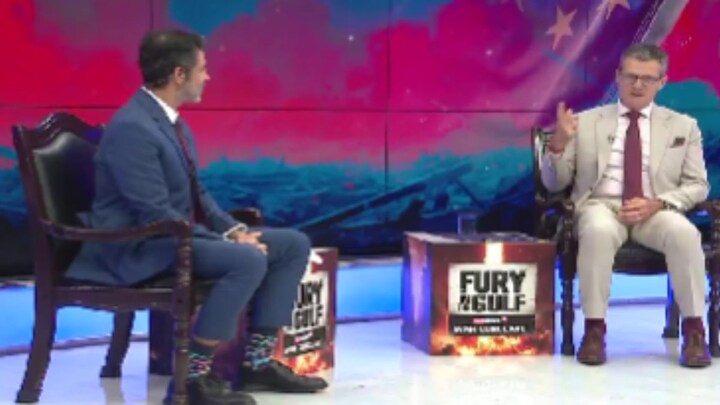
Amid a heightened diplomatic atmosphere surrounding the Gulf region, EU Ambassador Hervé Delphin has publicly urged political leaders to exercise restraint in their rhetoric. The call for caution arrives at a moment when Iran is confronted with a US‑issued peace proposal that outlines a series of fifteen conditions, the acceptance of which would avert the implementation of severe military measures. By emphasizing the long‑term ramifications of public statements, EU Ambassador Hervé Delphin seeks to prevent further escalation and to safeguard the fragile equilibrium that underpins regional stability.
Continuous Dialogue Between Key Diplomatic Figures
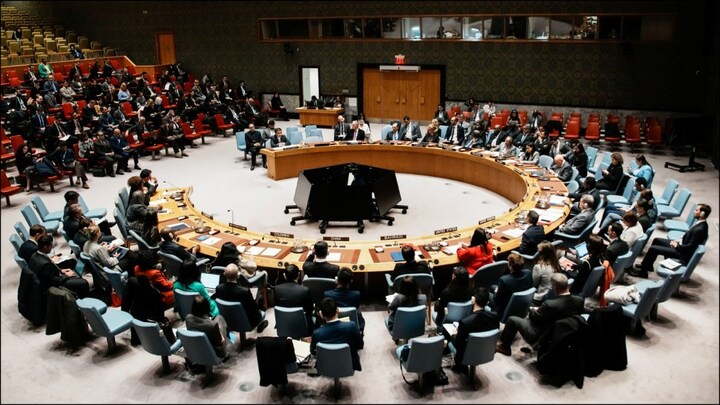
EU Ambassador Hervé Delphin highlighted the intensity of ongoing diplomatic exchanges involving External Affairs Minister S Jaishankar and the High Representative for EU Foreign Policy. According to EU Ambassador Hervé Delphin, communication between External Affairs Minister S Jaishankar and the High Representative for EU Foreign Policy has been uninterrupted since the early stages of the conflict. EU Ambassador Hervé Delphin explained that both officials have been exchanging views, consulting one another, and comparing notes regarding the most effective approaches to de‑escalation, the protection of maritime routes, and the overarching priority of restoring free passage through the Strait of Hormuz.
EU Ambassador Hervé Delphin underscored that the priority for both the European Union and India lies in the rapid restoration of uninterrupted navigation within the strategic waterway. The emphasis placed on this priority reflects the critical importance of the Strait of Hormuz as a conduit for a significant share of the world’s oil supplies.
Recent Hostilities and Their Impact on Gulf Infrastructure
Gulf states have been subjected to a series of drone and missile attacks that have been attributed to Iran. These attacks have been framed as retaliatory measures in response to strikes carried out by the United States and Israel since the latter part of February. According to EU Ambassador Hervé Delphin, Iran has also undertaken an effective blockade of the Strait of Hormuz, a maritime corridor through which approximately one‑fifth of global oil production typically transits. In addition to the blockade, Iran has targeted hydrocarbon infrastructure within oil‑rich Gulf nations, thereby amplifying concerns over energy security and the stability of regional supply chains.
The combination of aerial assaults and maritime interdiction has intensified the sense of vulnerability among Gulf states, prompting heightened diplomatic activity aimed at curbing further escalation. EU Ambassador Hervé Delphin’s observations point to a direct correlation between the recent attacks and the broader strategic objectives pursued by Iran in the context of the ongoing dispute.
Energy Security: Jet Fuel as a Shared Vulnerability
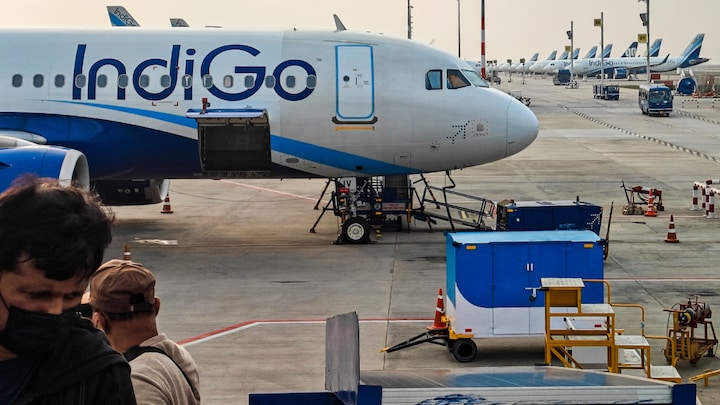
When questioned about the prospect of joint risk mitigation concerning energy supplies, EU Ambassador Hervé Delphin identified jet fuel as a critical choke point for both the European Union and India. According to EU Ambassador Hervé Delphin, the reliance on jet fuel creates a mutual vulnerability that necessitates collaborative solutions. EU Ambassador Hervé Delphin further noted that India possesses considerable potential for the production of renewable energy, an attribute that could serve to alleviate pressure on conventional fuel supplies.
In order to address this shared challenge, EU Ambassador Hervé Delphin articulated a vision of cooperation that would see the European Union contributing investment capital, advanced technology, and research expertise. By leveraging these resources, the European Union could support India in scaling up renewable energy production, thereby diversifying the energy mix and reducing dependence on jet fuel. This collaborative framework aligns with broader objectives of enhancing energy resilience and fostering sustainable development across both regions.
Public Sentiment Within Iran Regarding National Defense
Iran President Masoud Pezeshkian has conveyed that a substantial segment of the Iranian populace—exceeding fourteen million individuals—has expressed a willingness to sacrifice their lives in defense of the nation. This declaration emerges against the backdrop of escalating tensions linked to the United States’ demand for the reopening of the Strait of Hormuz.
The expressed resolve among the Iranian citizenry underscores a profound sense of national solidarity and highlights the depth of public commitment to safeguarding territorial integrity. Iran President Masoud Pezeshkian’s remarks serve to illustrate the domestic dimension of the conflict, providing insight into the internal pressures that shape Iran’s diplomatic posture.
United States’ Strategic Position and the Impending Deadline
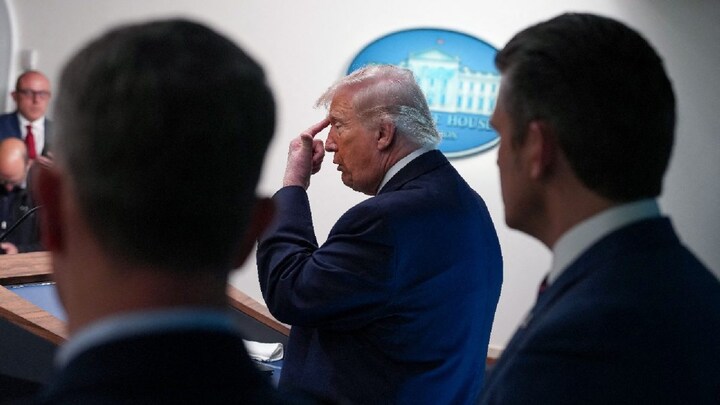
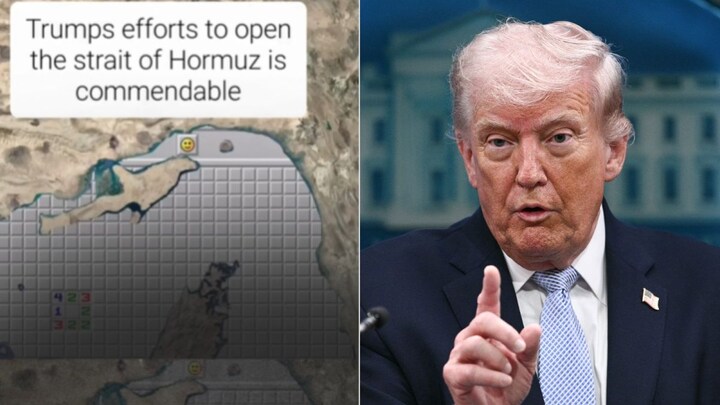
United States President Donald Trump has stipulated a deadline compelling Iran to permit the free flow of shipping through the Strait of Hormuz. United States President Donald Trump’s position includes an explicit warning that failure to comply could trigger extensive strikes against critical infrastructure. This stance reflects a broader strategic objective aimed at ensuring the uninterrupted movement of global oil supplies while asserting the United States’ resolve in the face of perceived non‑compliance.
The impending deadline set by United States President Donald Trump intensifies the urgency of diplomatic negotiations, as both regional actors and international stakeholders closely monitor the potential ramifications of any military action. The gravity of the situation is further amplified by the fact that the Strait of Hormuz constitutes a vital artery for the global energy market.
Strategic Importance of the Strait of Hormuz
The Strait of Hormuz functions as a critical maritime chokepoint through which a sizable proportion of the world’s petroleum exports traverse daily. The strategic relevance of this narrow waterway lies in its capacity to influence global oil prices and to affect the economic stability of oil‑producing and oil‑consuming nations alike. Any disruption to navigation within the Strait of Hormuz carries the potential to reverberate across international markets, leading to heightened volatility.
EU Ambassador Hervé Delphin has repeatedly emphasized the necessity of restoring normal maritime traffic within the Strait of Hormuz. By doing so, EU Ambassador Hervé Delphin seeks to mitigate the risk of broader economic shockwaves that could arise from prolonged closures or intermittent blockades.
Coordination Between the European Union and India on De‑Escalation
EU Ambassador Hervé Delphin has underscored the importance of a coordinated approach between the European Union and India in order to promote de‑escalation. According to EU Ambassador Hervé Delphin, both the European Union and India share a common interest in preventing the further deterioration of regional security. This shared interest forms the foundation for joint diplomatic initiatives, intelligence sharing, and the development of common policy responses.
The collaborative framework championed by EU Ambassador Hervé Delphin also incorporates mechanisms for the exchange of best practices in crisis management. By aligning strategic objectives, the European Union and India aim to present a unified front that can effectively influence the calculus of other regional actors.
Potential Scenarios and Their Implications
If Iran were to reject the United States’ fifteen‑point peace proposal, the anticipated consequence—according to United States President Donald Trump’s statements—would involve the deployment of extensive military force targeting key Iranian infrastructure. Such an outcome would likely exacerbate the already volatile security environment, potentially leading to broader regional conflict.
Conversely, acceptance of the peace proposal could pave the way for the restoration of uninterrupted shipping through the Strait of Hormuz, thereby alleviating pressure on global oil markets and reducing the immediate risk of military engagement. EU Ambassador Hervé Delphin’s advocacy for measured rhetoric is intended to keep diplomatic avenues open and to avoid actions that could preclude a peaceful resolution.
Long‑Term Considerations for Energy Policy
EU Ambassador Hervé Delphin’s remarks regarding renewable energy cooperation signal a strategic shift toward diversifying energy sources. By encouraging India to expand its renewable energy capacity, the European Union aims to reduce the overall reliance on fossil fuels, thereby enhancing energy security for both parties. This long‑term perspective reflects an understanding that resilient energy systems are less vulnerable to geopolitical disruptions.
The proposed collaboration envisions the European Union providing financial instruments, technology transfer, and research partnerships. Such support would enable India to accelerate the deployment of solar, wind, and other sustainable energy solutions, ultimately contributing to a more stable and environmentally conscious energy landscape.
Conclusion: Emphasizing Dialogue Over Rhetoric
In summary, EU Ambassador Hervé Delphin’s public appeal for cautious Gulf rhetoric aligns with a broader diplomatic strategy that prioritizes de‑escalation, the protection of vital maritime routes, and the pursuit of joint energy initiatives. By drawing attention to the interconnected nature of security, economics, and energy policy, EU Ambassador Hervé Delphin stresses that reckless statements can inadvertently compound existing tensions.
Through sustained dialogue among External Affairs Minister S Jaishankar, the High Representative for EU Foreign Policy, and other key stakeholders, the European Union and India seek to shape a cooperative response that mitigates the risk of conflict while fostering long‑term stability in a region of critical global importance.