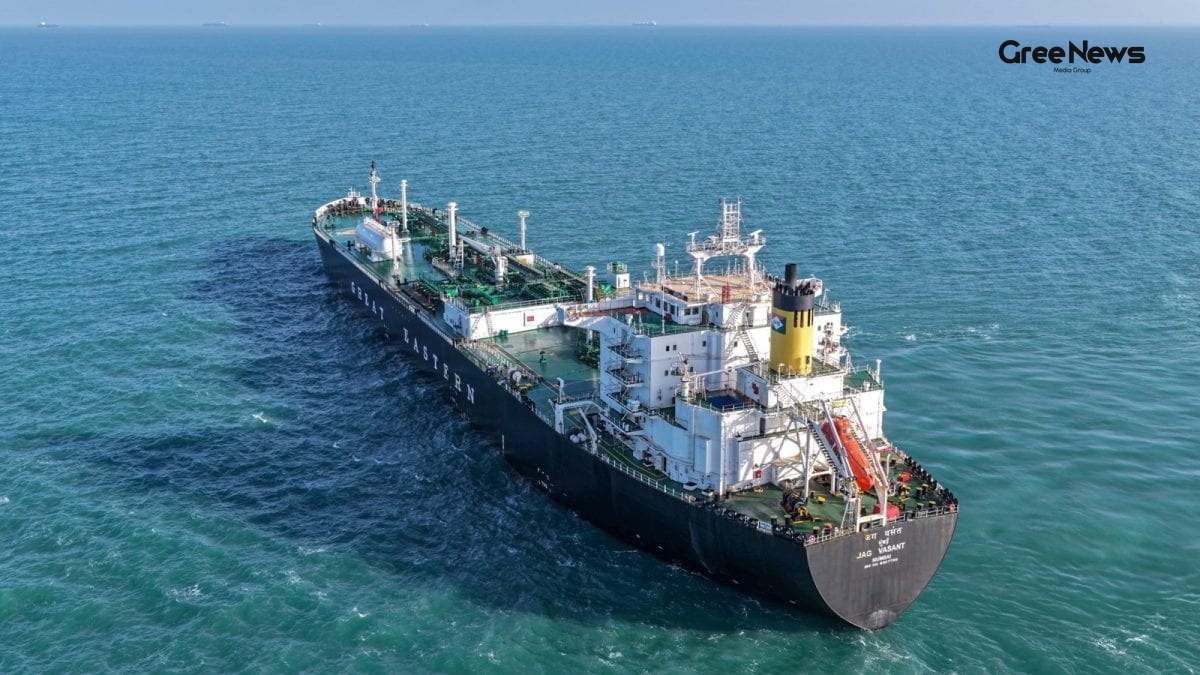
At the heart of the jet‑fuel crisis is the Strait of Hormuz, through which a huge portion of the world’s oil and roughly 75% of Europe’s jet fuel imports, normally passes.
Honestly, when I first heard the breaking news about Europe possibly having only six weeks of jet fuel left, I thought it was some kind of panic‑inducing rumor. But then I started seeing the same headline popping up on my favourite news apps it was definitely becoming trending news India was talking about, especially among the diaspora planning summer trips to Europe.
Imagine this: you’re in Delhi, scrolling through the latest updates, and you see a story about the Strait of Hormuz, a narrow waterway that most of the world’s oil and, more importantly for us, about three‑quarters of Europe’s aviation fuel, passes through. The ongoing conflict involving Iran has turned that route into a bottleneck. That’s the crux of the jet‑fuel crisis that’s now making headlines not just in Europe but also in viral news circles back home.
What happened next is interesting the warning came from Fatih Birol, head of the International Energy Agency (IEA). He basically said Europe might only have six weeks of jet fuel left if the situation doesn’t improve. That statement was more than a mere statistic; it started showing up in airline timetables, in chat groups of frequent flyers, and even on the notice boards at airports. Many people were surprised by this, because usually fuel shortages are talked about in the context of road transport or heating, not air travel.
Why the Strait of Hormuz Matters So Much
Now, let’s break it down in simple terms. The Strait of Hormuz is like the main highway for oil tankers heading to Europe. When ships can’t get through because of geopolitical tensions, the whole supply chain gets jammed. Unlike road fuel which many countries can store for months, jet kerosene has limited stockpiles at most airports. Europe, in particular, relies heavily on fresh imports from the Middle East. So when the tankers hit a snag, the clock starts ticking for airlines.
In most cases, this isn’t something you notice on a daily basis you just see planes taking off. But the reality is, if the tanker traffic stays disrupted, the fuel cans start to run low. And it’s not just about the quantity; the price of the fuel that does arrive has shot up dramatically. That double whammy less fuel and higher cost is pushing airlines into a corner, and they’re reacting faster than you might expect.
My cousin, who works as a travel agent in Mumbai, told me that his clients asking about flights to the Greek islands are now being warned that their tickets might not be as secure as they thought. That’s the kind of ripple effect this crisis is creating it’s not merely a European problem, it’s becoming a part of the latest news India conversation because so many of us are planning holidays abroad.
Airlines Already Cutting Flights What’s Changing?
Airlines are not waiting for the tanks to run completely dry before they start trimming their schedules. They’re feeling the pressure of soaring fuel prices and are making pre‑emptive cuts to avoid bigger headaches later. Lufthansa, for instance, has begun reducing both long‑haul and regional services, even pulling some aircraft out of service earlier than planned. KLM has slashed about 160 flights in just the past month. And Ryanair, the biggest low‑cost carrier in Europe, has warned that it may be forced to cancel up to ten percent of its summer schedule if the fuel shortage worsens.
The interesting part? These cuts are happening even though there’s still fuel left in the tanks. Why? Because airlines are trying to manage operating costs and avoid a scenario where they’re forced to ground dozens of planes abruptly. In most cases, they prefer a controlled reduction rather than a chaotic shutdown.
Many people were surprised when they saw the headlines about flight reductions because they thought the aviation sector was insulated from such supply shocks. But the reality is, fuel accounts for a huge chunk of an airline’s operating expenses. When the price of jet kerosene spikes, the cost of each seat goes up, and airlines start passing that onto passengers which explains the recent surge in airfares that we’re seeing on booking sites.
What This Means for Your Summer Holiday Plans
For travellers like you and me, the situation adds a layer of uncertainty that wasn’t there a few weeks ago. Here’s what you might start noticing:
- Higher airfares as airlines pass on rising fuel costs.
- Reduced flight frequencies, especially on thinner routes that aren’t as profitable.
- Last‑minute cancellations or schedule changes that could throw a wrench in your itinerary.
- Greater pressure on popular holiday destinations such as Italy, Greece, Spain and Portugal.
My friend Priya, who lives in Bangalore, booked a flight to Barcelona a couple of months ago. She’s now juggling between trying to get a flexible ticket and worrying whether her flight might get cancelled a day before departure. It’s a real headache, and it’s pushing many of us to rethink whether a long‑haul flight is worth the risk.
Because of this, flexible tickets and comprehensive travel insurance that covers fuel‑related disruptions have suddenly become far more attractive and also a bit pricier. If you’re already holding a ticket, it’s wise to check if your airline offers any free date‑change options or credits, because some carriers are being surprisingly accommodating given the circumstances.
What Are Authorities Doing?
The European Union is not sitting idle. They’re working on emergency measures that include maximising refinery output, looking for alternative import sources, and even discussing the possibility of creating strategic fuel reserves. However, experts say that these steps might not be sufficient to fully offset the shortfall before the peak travel season hits its stride.
In most cases, policy responses take time, and the short‑term outlook remains fragile. That’s why the advice from travel experts leans heavily on individual preparedness keep an eye on flight status, stay in touch with the airline, and have a backup plan ready.
Many people were surprised to learn that the EU’s contingency plans also involve encouraging freight carriers to shift some of their cargo flights to passenger routes, hoping to make better use of the limited fuel. It’s a bit of a juggling act, and it shows just how interconnected the whole system is.
Should You Panic, Postpone, or Proceed?
The situation is still fluid, and it really depends on how quickly the Strait of Hormuz issue gets resolved. Until then, the best approach is a mix of caution and flexibility. If you’ve already booked a ticket, start checking the airline’s app daily for any updates. Call their customer service and ask about change‑fee waivers many are willing to be flexible to retain customers.
If you haven’t booked yet, consider alternatives: Eurostar trains to Paris, or even a road trip across the Balkans if you’re feeling adventurous. These options not only sidestep the fuel problem but also let you experience Europe from a different angle.
For those of us in India, it might also be a good time to explore domestic holiday spots that offer similar vibes think of Goa’s beaches, the hill stations of Himachal, or the coastal charm of Kerala. It’s not that Europe is off‑limits, but the risk factor has definitely gone up, and clever travellers will adjust their plans accordingly.
So, what’s the takeaway? Stay informed, stay flexible, and don’t let the news scare you away from making memories. After all, travel is about the journey as much as the destination, and sometimes a little change of plan can lead to a surprisingly great experience.