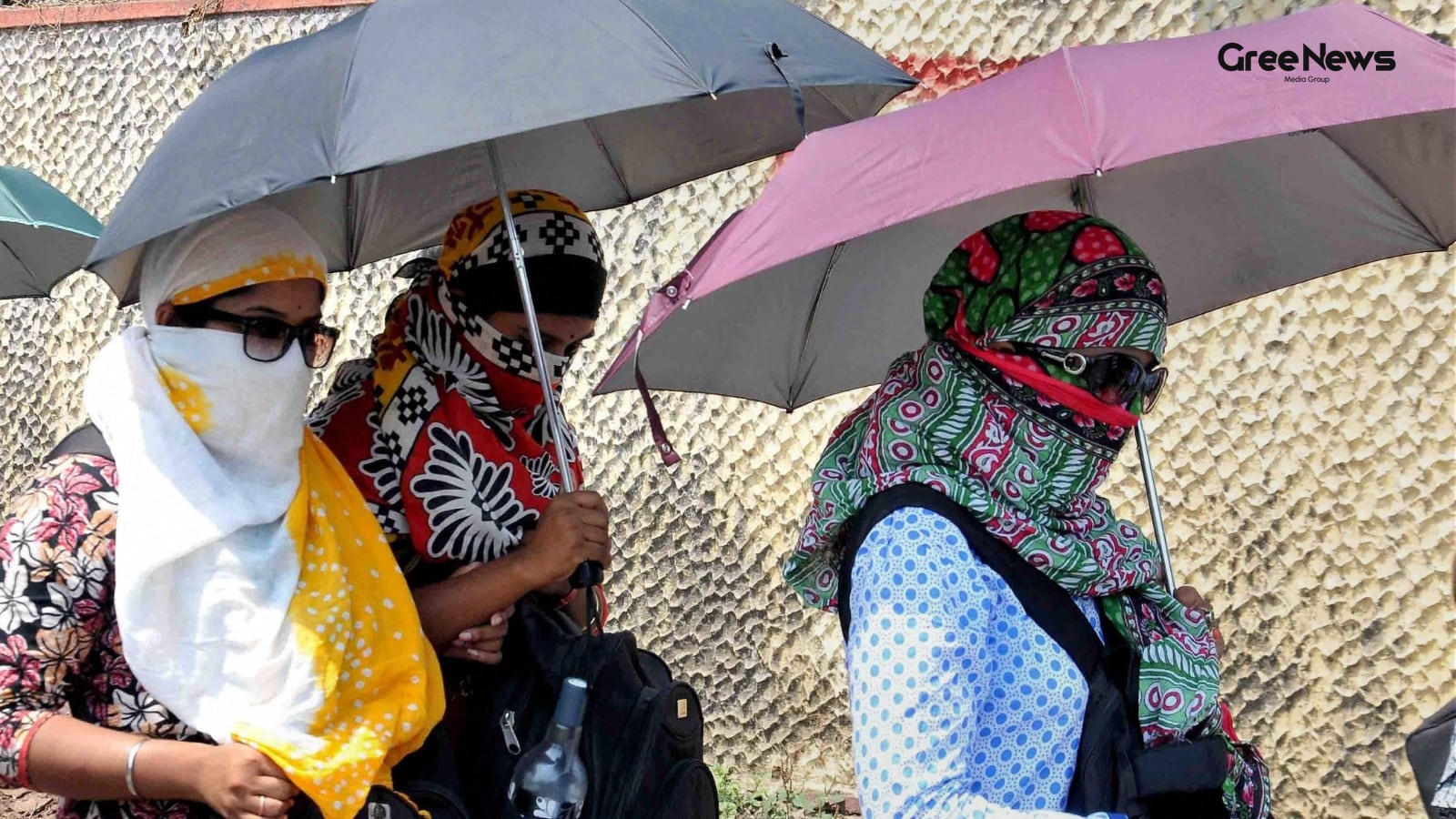
First suspected heatstroke death: A government officer from Belagavi
Let me tell you about what happened in Belagavi district a couple of days back it was one of those moments that makes you pause and think about how brutal the heat has become. A 35‑year‑old government employee, Venkatesh Ballari, was attending a Basaveshwar Jayanti event in the town of Chinchali. While the crowd was cheering, Venkatesh suddenly felt dizzy, stumbled, and collapsed right there on the ground. People rushed him to the nearest hospital, but the doctors could only declare him dead. The officials are still waiting for the final post‑mortem report, but all signs point towards heatstroke.
What’s striking is that Venkatesh was a routine‑going officer, used to working outdoors in the summer months. Yet the relentless sun caught him off‑guard. This incident really hit home for many of us who thought that only the elderly or children were at risk. It’s a stark reminder that anyone can be vulnerable when the temperature climbs beyond 40 °C.
In most cases, people tend to dismiss early signs like light‑headedness as mere fatigue. But in Venkatesh’s case, those signs turned fatal within minutes. This caught a lot of attention on social media, turning the story into a piece of viral news that many shared as a warning.
Second suspected heatstroke death: A young man from Bidar
Just a day before Venkatesh’s tragedy, another unsettling incident unfolded in Bidar district. A 20‑year‑old lad named Mohammed Sameer was on his way back from a local market, carrying a few grocery bags. He had been standing under the scorching sun for a while, and suddenly he felt faint and fell unconscious on the road. Passersby quickly called the police, who rushed him to the hospital. Sadly, the medical team announced his death shortly after.
What made this case even more heartbreaking is that Mohammed was just starting his career, full of plans and aspirations. The community was shocked this was the first confirmed heatstroke death of the season, according to local authorities, and it sent a ripple of fear through the townsfolk. Many started talking about it as breaking news, urging the elderly, children, and even young adults to take extra precautions.
Police are still waiting for the post‑mortem results, but the circumstances strongly suggest that the heat was the main culprit. When I heard about this, I could not help but recall the sweltering afternoons in my own village, where we used to sit under a neem tree and sip buttermilk. Those days seemed harmless then, but now they feel like potential danger zones.
Why these deaths matter the larger heatwave scenario in Karnataka
These two back‑to‑back deaths have pushed the state machinery into a more urgent response mode. Across Karnataka, especially in the northern districts like Bidar, Kalaburagi, and now Belagavi, temperatures have already breached the 40 °C mark, with some places touching close to 45 °C. The heatwave isn’t just a number on a thermometer; it’s affecting daily life from farmers struggling with wilted crops to school children skipping morning classes.
In most cases, the government’s first line of defence is to issue health advisories. Health minister Dinesh Gundu Rao has been proactive, urging people to avoid stepping out during peak afternoon hours, to stay hydrated, and to wear light cotton clothing. You’ll find these advisories popping up on local television, radio, and even as trending news India on WhatsApp groups.
But the authorities have gone a step further. Hospitals across the affected districts have been placed on high alert. Dedicated heatstroke wards, though small in size, have been set up with round‑the‑clock medical teams ready to handle emergencies. The idea is to provide rapid cooling and rehydration for anyone showing early symptoms.
It’s interesting to note that while such preparations sound logical, many people still ignore them because they think the heat will pass quickly. This is where the power of viral news and community chatter becomes crucial the more we talk about these incidents, the more likely people will pay attention.
Bengaluru feels the heat a city not immune
Even Bengaluru, which usually enjoys a milder climate compared to the rest of the state, is feeling the heat’s grip. The city recorded maximum temperatures ranging from 36.4 °C to 36.8 °C over the past few days that’s about 2‑3 °C higher than what we normally expect for this time of year.
According to the India Meteorological Department (IMD), daytime temperatures in Bengaluru are likely to hover between 36 °C and 37 °C for at least another week. The scientists explain that an anti‑cyclonic circulation over central India is currently trapping warm air, keeping both day and night temperatures elevated.
What’s more, the heat isn’t just limited to Bengaluru. Northern and coastal districts are expected to see temperatures swinging between 40 °C and 42 °C, making it a truly state‑wide crisis. While some isolated rain showers have already been recorded in Dharwad and Shivamogga, most of the state remains under clear skies.
Still, there’s a glimmer of hope. Meteorologists predict scattered showers and gusty winds in districts like Kodagu, Hassan, and Chikkamagaluru in the coming days. For those living in these regions, the occasional drizzle could be a much‑needed relief.
For now, though, the heat isn’t letting up. With two suspected deaths already reported, the coming weeks could truly test the state’s response mechanisms. The story has become a part of the latest news India, with many citizens sharing tips on how to beat the heat from making homemade electrolyte drinks to setting up coolers in public spaces.
What you can do practical tips from the ground
Having lived through similar heatwaves in my hometown, I can suggest a few simple things that actually help:
- Drink plenty of water aim for at least 3‑4 litres a day, and add a pinch of salt or a squeeze of lemon to replace lost electrolytes.
- Avoid outdoor activities between 12 pm and 4 pm when the sun is at its strongest. If you must step out, wear a wide‑brimmed hat and sunglasses.
- Keep your home cool by closing curtains during the hottest part of the day and using a fan or air‑conditioner if possible.
- Check on elderly neighbors and children regularly they are more susceptible to heat‑related illnesses.
- Carry a small bottle of cool water and a wet towel if you’re travelling long distances; a quick splash can bring down body temperature fast.
These tips might sound basic, but they’ve saved many lives in past heatwaves. When you hear a story turning into trending news India about another heat‑related incident, think about how you can prevent another one.