Why the $2 billion a day figure matters to me
Honestly, the first time I saw Tom Fletcher’s numbers on a news channel, I thought, "That's a huge amount, but how does it affect me, yaar?" Then I started digging into the details, and the picture became a lot clearer. Tom Fletcher, who heads the UN humanitarian agency, said that for every single day the war involving Iran continues, the world spends around $2 billion on the conflict. That’s not just a number for economists it's money that could have funded emergency aid capable of saving 87 million lives. Imagine the whole of Kerala and Uttar Pradesh getting clean water, food rations, and medical kits just because we decided to keep fighting. When I heard that, I felt a chill in my spine, because the scale of loss is something you can almost feel in your bones.
What's more, Tom Fletcher compared this daily war spending to the total amount his agency needs for a hyper‑prioritised global relief plan $23 billion. If you do the math, that means we could have raised enough in less than two weeks of war expenditure to launch this life‑saving programme. In a country like India, where many families still struggle for a stable meal, that number is mind‑boggling. The thought that the war’s daily price tag could have covered a programme capable of making a difference for 87 million people made me pause my scrolling of viral news and really think about the larger picture.
Talking to a friend about the UN’s warning a real‑life chat
Just last week, I was having chai with my cousin Rohan, who works in a logistics firm in Delhi. We were watching a breaking news segment about the Iran conflict when the anchor quoted Tom Fletcher’s words. I turned to Rohan and said, "You know, every day we hear breaking news about the war, but it feels like we’re distant spectators. Yet the numbers Tom Fletcher mentioned $2 billion a day that could have been used for emergency aid... it’s almost like we’re watching a massive money‑drain while people suffer elsewhere." Rohan, who often deals with supply‑chain hiccups, nodded and added, "If that kind of cash was redirected, we could have built better food storage facilities in our own villages. It would have been a game‑changer for the poor."
That conversation sparked a wave of curiosity in my mind what would happen if the war stopped tomorrow? Would the UN instantly re‑allocate those funds? Would the donors actually move the money? Many of us, sitting in Mumbai cafés, reading trending news India headlines, never pause to imagine the ripple effects of such massive expenditures. The curiosity hook here is simple: what happens next when the war finally ends? That’s the question that kept me up, scrolling through the latest updates, trying to piece together the real impact.
Wider global fallout beyond West Asia
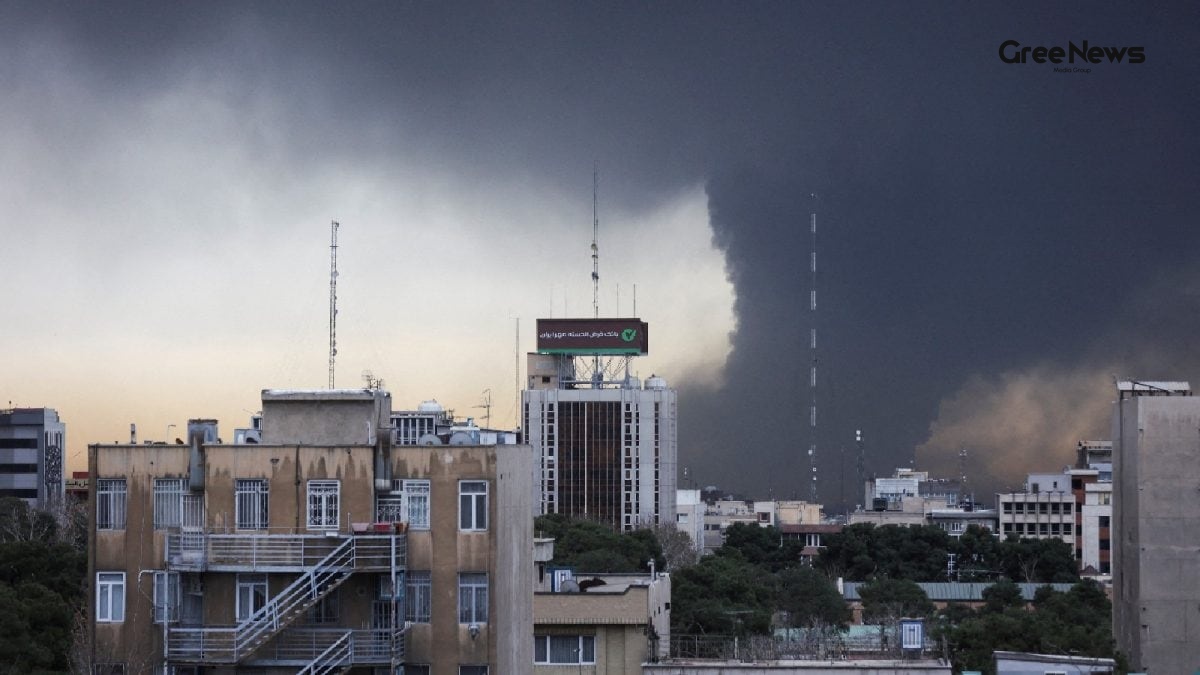
Tom Fletcher didn’t stop at the $2 billion figure. He painted a broader picture, warning that the war’s impact stretches far beyond West Asia. Food and fuel prices are already skyrocketing, pushing inflation close to 20% in some vulnerable economies. If you’re watching Indian news channels and reading about rising LPG prices or the cost of wheat flour, you can see the connection. The UN says poorer nations, especially those in sub‑Saharan Africa and East Africa, could see even worse poverty levels as energy costs climb and food supply chains stay under pressure.
In my own city of Bengaluru, I’ve noticed that a packet of rice now costs a few rupees more than it did a few months back. Many of my neighbours are already feeling the pinch. When Tom Fletcher mentioned that the economic shockwaves could linger for years, it felt like a warning that the current price hikes might just be the tip of the iceberg. The fear is that, just like the sudden surge in viral news about the war, we could be staring at a prolonged period of economic strain that will affect daily lives across the globe, including ours.
Humanitarian funding crisis the UN’s budget cut by half
Another sobering point Tom Fletcher raised is the UN’s own funding crunch. The UN humanitarian agency’s budget has effectively been slashed by 50%. Think about it the very organisation that’s trying to save lives is now struggling to keep its own lights on. This squeeze comes as major donor countries are reducing overseas development aid and redirecting money toward defence and domestic priorities.
During a recent India updates podcast, the host mentioned that the UK’s internal political battles have left it in a “defensive crouch” internationally. Tom Fletcher called that a decade‑long dysfunction that has severely hampered the country's willingness to support humanitarian efforts abroad. For us Indians, who regularly see UK aid showing up in flood‑affected Kerala or during cyclones in the Bay of Bengal, this news feels unsettling the very allies who once helped us might now be holding back.
Impact on India’s economy a slowdown on the horizon
Now, let’s bring the focus home. The conflict is also weighing on India’s growth outlook. According to a recent World Bank assessment, India’s real GDP growth is projected to dip below the 7% mark because of the war’s disruption to global energy supplies. Before the conflict escalated, the Indian government had estimated growth of around 7.2%. The World Bank now forecasts growth at roughly 6.6% for the upcoming fiscal year, assuming the oil and gas supply disruptions persist.
When I read this, I thought about my cousin Neha, who runs a small textile unit in Surat. She’s already feeling the squeeze from rising diesel prices, which affect her production costs. If the economy slows down, demand for her products could fall, leading to layoffs. That’s the kind of real‑life chain reaction that Tom Fletcher’s numbers hint at a war of a distant land influencing the livelihoods of everyday Indians.
What people are saying public reaction on social media
Scrolling through Twitter and seeing a flood of trending news India hashtags, I noticed many Indians expressing frustration. Some users posted memes highlighting the absurdity of spending $2 billion daily on war while children in villages go hungry. Others shared personal stories of how rising fuel costs affect their commute. A few even started a petition asking the government to push for diplomatic solutions, hoping to redirect funds toward domestic development.
One comment that stuck with me said, "If we can raise $2 billion in a day for war, why can’t we raise the same amount for education or healthcare?" That line perfectly captures the public’s curiosity: what would happen if the war stopped tomorrow? Would the money be instantly rerouted? The conversation still feels very much alive, with many people waiting to see if the UN’s plea will translate into real policy shifts.
Personal reflections how I’m coping with the news
Honestly, after hearing Tom Fletcher’s stark warning, I’ve started to pay more attention to the news beyond the usual headlines. I now keep an eye on how the conflict, which feels like far‑away breaking news, filters into my daily life whether it’s the price of a litre of petrol, the cost of a packet of dal, or the news about UN funding cuts.
One thing I’ve decided to do is to support local NGOs that focus on food security and health. It feels like a small step, but when you think about the huge sum being spent on war, even a modest contribution feels like a direct way to counterbalance that spending. I also try to discuss these issues with friends and family, because the more people understand the real cost both human and financial the better chance we have of pushing for a peaceful resolution.
Looking ahead what could change?
If the war were to end soon, the $2 billion daily spend would instantly become available for other uses. Tom Fletcher’s hyper‑prioritised plan, requiring $23 billion, could be funded in less than a fortnight of war spending that’s the kind of numbers that can shift policy debates. However, the big question remains: will the international community act fast enough to reallocate these funds?
Many analysts argue that once the conflict de‑escalates, donor nations will have to balance domestic pressures with global responsibilities. In India, for example, the government may see an opportunity to negotiate better oil contracts or seek alternative energy sources, which could help mitigate the economic slowdown. Meanwhile, the UN would still need to fill its own funding gap caused by the 50% budget cut.
What’s clear is that the numbers Tom Fletcher shared aren’t just abstract statistics they represent decisions that affect millions, including the 87 million lives that could have been saved with a well‑funded relief plan. As an ordinary citizen, I hope that the growing public awareness, amplified by viral news and trending stories, will push leaders toward a more humanitarian approach.
Conclusion the human cost behind the headlines
To sum it up, hearing Tom Fletcher’s warning was a wake‑up call for me. The $2 billion a day being spent on the Iran war is not just a figure that appears in breaking news; it’s money that could have been used to save 87 million lives, lower inflation pressures, and support economies like India’s that are already feeling the strain. The UN’s funding crunch, the looming economic slowdown, and the everyday impact on ordinary Indians all tie back to that single daily cost.
As we keep following the latest news India feeds, let’s remember that behind every headline lies a human story a story that could be very different if the world chose to redirect its resources from war to humanitarian aid. That’s the part that keeps me, and many of my friends, hoping for a peaceful resolution, because the price of not acting is far too high.