Why Some Traders Prefer Calcium Carbide
So, the other day I was at my local market, you know, the one where the aroma of fresh mangoes mixes with the honk of auto‑rickshaws. While browsing, I noticed a bunch of bananas that looked oddly shiny and caught the sunlight a bit too perfectly. I later learned that many traders use industrial‑grade calcium carbide, popularly called “masala”, to artificially ripen these fruits. The story behind it is pretty straightforward: calcium carbide reacts with moisture and releases acetylene gas, which is the same hormone that bananas naturally produce when they’re ready to eat.
Now, why would anyone bother with this? Basically, it helps sellers cut down the waiting time. Instead of waiting for bananas to turn yellow over a few days, they can make them look ready within hours. This means they can rotate stock faster, avoid losses, and keep the shelves looking fresh. In most cases, you’ll find this practice especially in regions where the supply chain is stretched thin, or during peak seasons when demand spikes.
This caught people's attention because while the trick works for appearance, the health side‑effects are a whole different story. The acetylene gas itself isn’t harmful in minute amounts, but the residue of calcium carbide can contain impurities like arsenic and phosphine, both of which can be toxic if consumed over time. That's why there’s growing chatter on breaking news platforms about the risks of chemically ripened fruits.
Health Concerns Linked to Chemically Ripened Fruits
Honestly, when I first heard about calcium carbide being used on bananas, my mind went straight to the old school myth of "masala" making fruit taste better. But the reality is far from sweet. The impurities left behind can cause stomach upsets, headaches, and in severe cases, respiratory issues. Some studies have even suggested links to long‑term organ damage when the exposure is frequent.
People often think that because the fruit looks ripe, it's safe. That's a big misconception. The chemical process speeds up the ripening but doesn't improve the nutritional value. In fact, the natural enzymes that develop the fruit's flavor and vitamins are bypassed, meaning you could end up eating a banana that's high on sugar but low on the good stuff.
This is one of the reasons why viral news about food safety spreads quickly across social media – everyone wants to know if the fruit they're picking for their children is truly safe. The FSSAI has been vocal about these dangers, urging consumers to perform a quick home test.
FSSAI Guidelines: The Simple Home Test
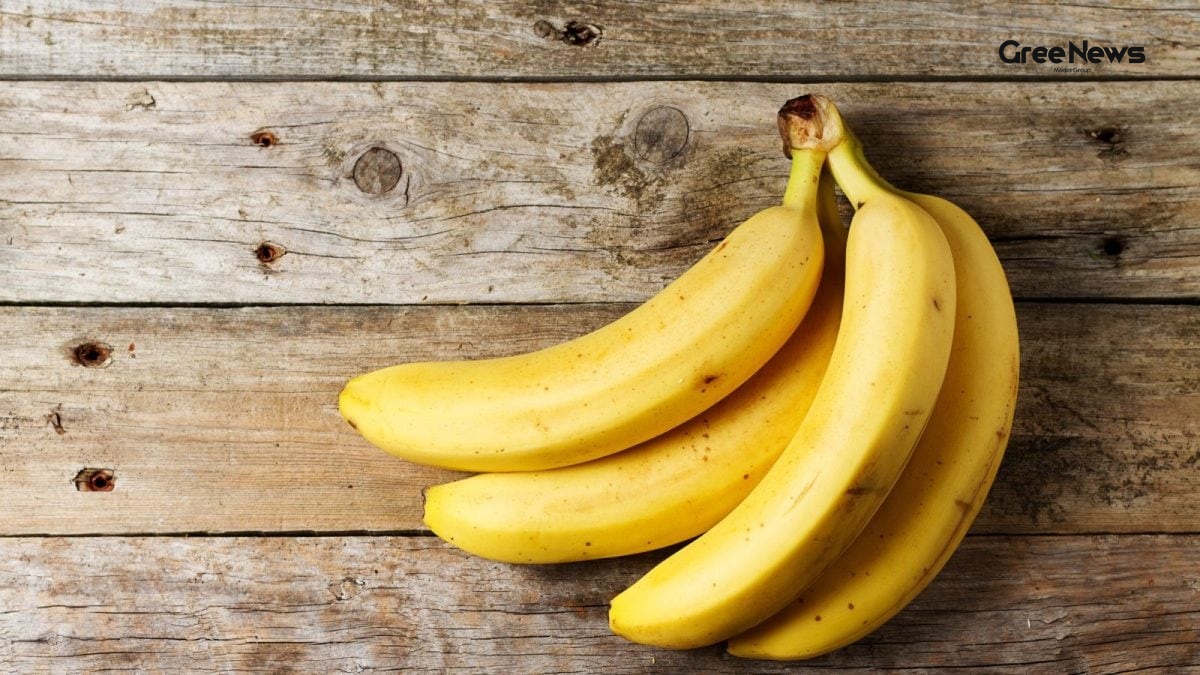
Okay, so here’s the easy method that the FSSAI recommends – no fancy lab equipment needed, just a small plate, water, and a pinch of the fruit you want to check. Basically, you take a clean plate, add a few milliliters of water, and gently place the banana peel (or a slice of mango, if you’re testing those) into the water. If you see bubbles forming instantly, that’s a red flag that acetylene is being released – meaning the fruit was likely treated with calcium carbide.
When I tried it at home, the moment I dropped a small piece of banana peel into the water, tiny bubbles started rising. It was quite surprising, and I could see why many people are alarmed by this simple observation. The test is quick – it takes less than a minute – and it can be done right before you buy the fruit, or even after you’ve taken it home.
Many folks were surprised by this method because it seems so straightforward yet so effective. The FSSAI also advises that if you notice this bubbling effect, you should avoid consuming that fruit and report the seller to the local health department.
My Personal Experience: Trying the Test in a Busy Market
Let me tell you a little story. I was strolling through the market on a Saturday morning, basket in hand, looking for some ripe bananas for my evening shake. I picked up a bunch that looked bright yellow – maybe too bright. Remembering the FSSAI tip, I walked over to a nearby tea stall, asked the vendor if I could quickly test a piece, and they were kind enough to lend me a clean saucer and some water.
I peeled a tiny strip from one banana and dropped it into the water. Within seconds, you could see tiny air bubbles popping up. I instantly knew something was off. I asked the vendor about the ripening method, and at first, they brushed it off. After I mentioned the FSSAI guidelines, they sighed and admitted that they sometimes use calcium carbide during low‑supply periods.
This caught people's attention because many shoppers aren’t aware that such practices exist so openly. I ended up buying bananas from another stall where the fruit passed the test – no bubbles, just a calm surface. The whole episode made me more vigilant, and I started sharing the trick with friends. It’s funny how a small curiosity hook like “what happened next is interesting” turns a routine shopping trip into a mini‑investigation.
Practical Tips to Choose Safe Fruits
Based on what I’ve learned and what the FSSAI recommends, here are a few quick pointers you can keep in mind while shopping:
- Look for uniform colour and avoid fruits that seem overly glossy or have a waxy coating.
- Give the fruit a gentle press – natural ripening will feel slightly soft, not mushy.
- Perform the water‑bubble test if you suspect any irregularities.
- Buy from reputable vendors or supermarkets that display certified FSSAI compliance stickers.
- When in doubt, opt for fruits that have been sourced locally and are in season, as they are less likely to need artificial ripening.
Many people were surprised by how easy it is to check on the spot. In fact, this little habit has become part of my routine – I think of it like a quick health check before I even take the fruit home.
Government Actions and Recent Updates
Recently, there has been a wave of trending news India stories highlighting the crackdown on illegal use of calcium carbide. The authorities have started conducting random inspections in markets, especially in metropolitan areas, and have even imposed fines on vendors caught using the substance.
According to India updates from the food safety department, the FSSAI is also working on a stricter labeling system, where vendors must clearly indicate if any ripening agents have been used. While this is still in the proposal stage, it shows a move towards more transparency.
In the backdrop of this breaking news, consumer awareness campaigns are being launched across schools and community centres, teaching people – especially the younger generation – how to identify chemically ripened produce. The hope is that, with more informed shoppers, the demand for unsafe practices will decline.
What to Do If You Find Chemically Ripened Fruit
If your home test reveals bubbles, the first step is to avoid eating that fruit. You can either discard it or, if you’re comfortable, return it to the seller and ask for a replacement. Additionally, you should consider reporting the incident to the local municipal health office. Providing details such as the vendor’s name, stall location, and the test result can help authorities take appropriate action.
Many consumers are hesitant to report because they fear backlash, but the FSSAI encourages community participation. In most cases, the health department will follow up anonymously, and the vendor may receive a warning or be subjected to an inspection.
Taking this step not only protects your health but also contributes to a safer market environment for everyone. It’s a small effort that can lead to bigger changes, especially when many people start reporting.
Conclusion: Staying Informed and Safe
All in all, the practice of using calcium carbide to ripen bananas and other fruits may seem like a quick fix for traders, but it carries hidden health risks that many shoppers are still learning about. By using the simple FSSAI water‑bubble test, you can quickly spot chemically ripened fruit and make an informed choice. It’s a tiny trick, but as we’ve seen, it can make a huge difference – especially when it spreads across communities and becomes part of everyday conversation.
So next time you’re at the market, remember to pause, test, and share the tip with your friends. The more people know, the less likely such unsafe practices will continue. After all, staying updated with the latest news India on food safety and taking a few seconds to check your fruit can keep you and your family healthier. And who knows – maybe your curiosity will spark a new trend of informed buying across the country.