- Lifestyle Desk
Drinking copper water? It is not safe for everyone. Here are the health conditions where it can do more harm than good and who should avoid it
What sparked my curiosity?
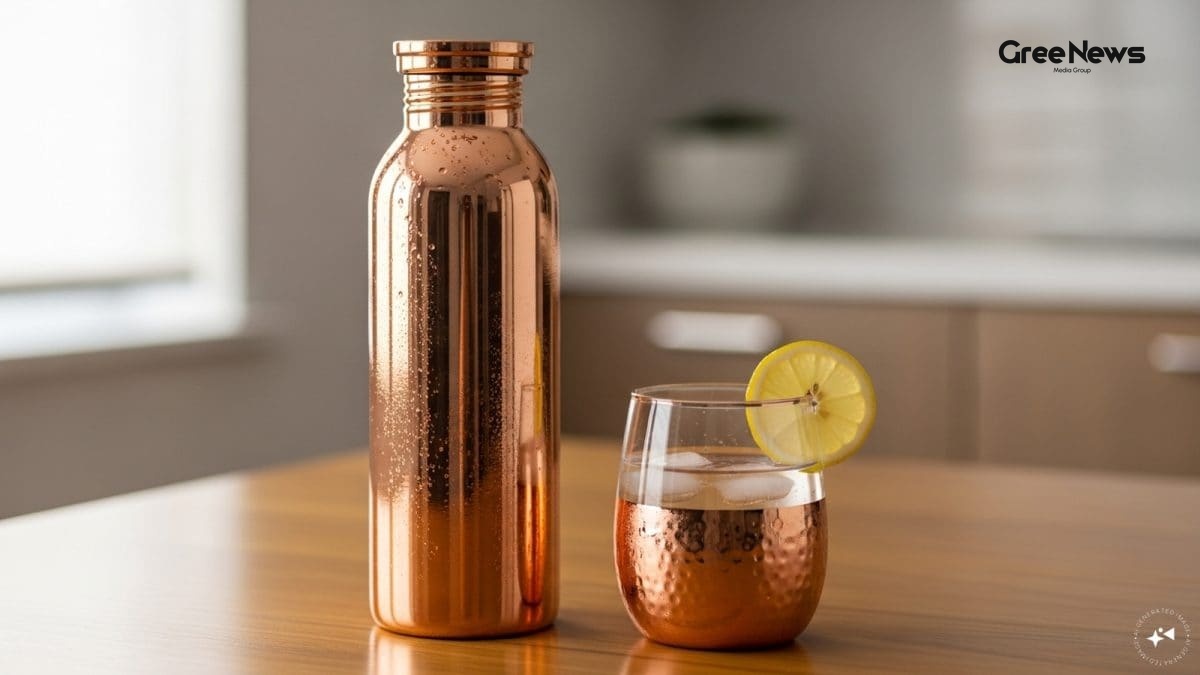
Honestly, I first heard about copper water from a neighbour who swore it helped her skin glow. It was the sort of thing you see in viral news and even some breaking news platforms, so I thought, "Why not try it?" I bought a shiny Copper Bottle from a local market, filled it with tap water, and left it overnight. The next morning, I felt a little weird – a slight metallic taste, and my stomach was a bit uneasy. That got me digging deeper because, as you know, the internet is full of both myths and facts.
What I discovered was that while copper has genuine antimicrobial properties, it’s not a miracle drink for everyone. In fact, there are specific groups of people for whom this habit can double‑back and cause health problems. If you’re reading this as part of your daily scroll through trending news India, you might find the next part especially eye‑opening.
How does copper interact with water?
When you store water in a Copper Bottle, a tiny amount of copper ions dissolves into the liquid. This process, called oligodynamic effect, is what gives copper its antibacterial punch – it can kill 99.9% of harmful bacteria like E. coli and S. aureus. That’s why, if you’ve ever read the latest news India about sanitation, copper is often mentioned as a low‑cost solution for clean drinking water.
However, the flip side is that too many copper ions can be harmful. Our bodies need copper in small amounts – it’s a trace mineral essential for making red blood cells, maintaining nerves, and supporting the immune system. The recommended daily allowance (RDA) for adults is about 900 micrograms. When you drink water from a Copper Bottle, you might exceed this limit, especially if you keep the water in the bottle for a long time or use it repeatedly without cleaning properly.
Most of us don’t think about the dosage, but the science says that chronic exposure can lead to copper toxicity. And guess what? This is exactly the kind of health alert that often pops up in breaking news headlines across the country.
Who should say "no thanks" to the Copper Bottle?
Below are the key groups that should stay away from drinking from a Copper Bottle, unless a doctor gives a Green signal.
- People with Wilson’s disease – This is a rare genetic disorder where the body can’t properly get rid of copper. Drinking copper‑laden water can quickly pile up copper in the liver and brain, worsening the condition.
- Pregnant and breastfeeding mothers – Excess copper might affect fetal development and can lead to complications. Most obstetricians advise expecting mums to avoid unnecessary copper sources.
- Individuals with kidney problems – The kidneys are the main route for copper excretion. When they’re not functioning well, copper accumulates faster, potentially causing nausea, vomiting, or even kidney stones.
- Children under the age of 12 – Kids have a lower threshold for trace minerals. Consuming copper water can cause gastrointestinal distress and affect growth if the dosage is too high.
- People already taking copper supplements – If you’re on a supplement regime prescribed for anemia or other health issues, adding copper from water can push you over the safe limit.
Most of these groups are often highlighted in health columns of India updates, especially during health awareness weeks. So, if you belong to any of these categories, it’s better to stick with glass or stainless‑steel containers.
What symptoms should raise a red flag?
Suppose you’ve started drinking from a Copper Bottle a few weeks ago. If you begin to notice any of these signs, it might be copper toxicity knocking at your door:
- Persistent stomach cramps or nausea – a metallic after‑taste that doesn’t go away.
- Vomiting – especially if it’s accompanied by a Greenish or yellowish foam.
- Yellowish skin or eyes – this could be a sign of liver stress, which is a serious red flag.
- Rapid heartbeat or shortness of breath – copper overload can affect the heart’s rhythm.
- Joint pain or muscle weakness – in severe cases, copper can deposit in joints, leading to aches.
When these symptoms appear, most doctors will run a simple blood test to check copper levels. It’s not something you want to ignore, because the early stages are often mistaken for a common stomach bug.
Practical tips if you still want to use a Copper Bottle
Now, I’m not saying you must abandon the Copper Bottle altogether. Many families in India have been using it for generations, and it does have merit when used wisely. Here are some practical steps you can take to keep the benefits while minimizing risks:
- Limit storage time – Fill the Copper Bottle in the morning and finish it by evening. The longer water sits, the more copper leaches out.
- Never use acidic drinks – Lemon juice, orange juice, or soda can accelerate copper dissolution. Stick to plain water.
- Clean it properly – Use a mild lemon‑salt scrub once a week to remove any buildup. Rinse thoroughly with clean water.
- Rotate containers – If you have a family of four, keep separate bottles for each member and switch them out regularly.
- Monitor your intake – If you consume other copper‑rich foods like nuts, seeds, or organ meats, balance your diet accordingly.
These little adjustments are often the unseen part of the story that viral news rarely highlights, but they can make a huge difference in how safe the practice is.
Alternatives to copper for clean drinking water
For those who want an easy, low‑maintenance solution, consider these alternatives that are widely recommended in health columns of breaking news and trending news India:
- Stainless‑steel bottles – They don’t leach metals and are durable for everyday use.
- Glass containers – If you’re worried about chemicals, glass is inert and perfect for storing water.
- Water filters – Simple charcoal or UV filters can remove bacteria without needing copper’s antimicrobial properties.
All these options preserve the natural taste of water and keep you away from any possible copper overload.
Frequently asked questions
- Can a short‑term use of a Copper Bottle cause toxicity?
- Usually not. A few days of use rarely leads to harmful levels, but regular, long‑term consumption can add up.
- Is the metallic taste a sign of too much copper?
- Yes, a strong metallic flavor often means a higher concentration of copper ions – it's a good cue to stop drinking it for a while.
- Do I need to wash my Copper Bottle every day?
- Daily rinsing with warm water is enough. A deeper cleaning with lemon and salt once a week keeps it hygienic.
These FAQs are the sort of quick‑look info you see on many health portals that contribute to the trending news India cycle.
Bottom line – should you keep the Copper Bottle?
After looking at the science, the health conditions, and the everyday experiences shared by many Indian households, the verdict is clear: if you’re healthy, not pregnant, and have no underlying kidney or liver issues, a Copper Bottle can be a fine addition to your routine – just follow the tips above. But if you fall into any of the high‑risk categories, it’s smarter to pick a stainless‑steel or glass alternative and still enjoy clean, safe water.
Remember, the next time you see a headline about copper water trending in the latest news India, ask yourself whether it applies to you personally. Health is personal, after all.