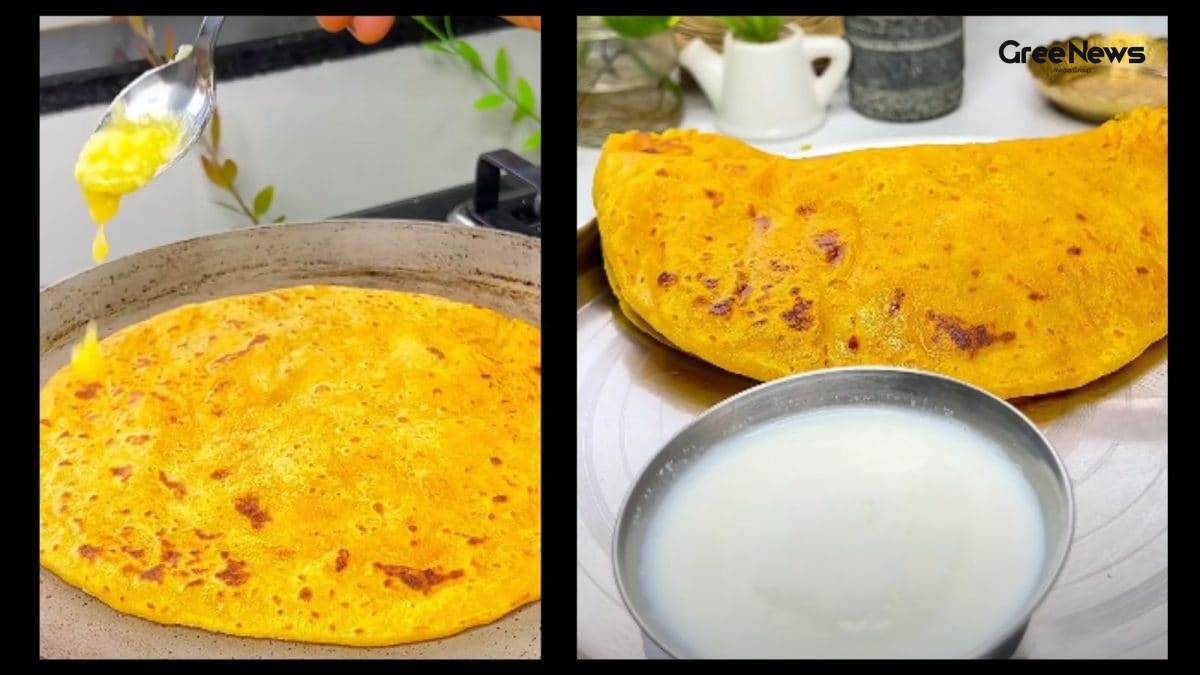
The quick and easy mango poli recipe combines both into a delicious summer treat that’s ready in less time and loved by all ages.
Honestly, when I first heard about mango poli, I thought it was just another gimmick on the internet. You know, those viral news stories that flash across your feed and then disappear. But then a close friend sent me a short video showing the whole process, and I was instantly curious. What happened next is interesting – I decided to give it a try during the scorching summer months, and suddenly my kitchen was filled with the aroma of mangoes and ghee, reminding me of my childhood festivals.
For many, puran poli is a comfort classic, and mangoes are the ultimate summer indulgence. So when I thought of bringing both together, it felt like a natural marriage of flavors. The best part? The recipe doesn’t demand any fancy equipment or a pantry full of exotic spices. It’s basically the same ingredients you’d find in any Indian household, just with a sweet, fruity twist.
Why this mango poli is becoming breaking news in kitchens across India
Let me be honest – the moment I posted my first mango poli snap on Instagram, the likes started pouring in. Friends from Delhi, Bangalore, and even a few from small towns commented that they’d never seen puran poli with mangoes before. Within hours, the post was shared on several cooking forums and started trending under the tag #MangoPoli. I guess you could call it trending news India style of food content – everyone wanted to try it.
Many people were surprised by how simple the preparation actually is. Unlike the usual puran poli that can take hours of rolling and stuffing, this version is designed for speed, which is perfect for those who have a busy weekday schedule but still crave something wholesome.
What You Will Need – The Essential Ingredients
Here’s the exact list I used – keep it handy, and you’ll see how easy it is to gather everything from your local kirana store:
- Ripe mangoes (the sweeter, the better)
- Semolina (rava)
- Sugar
- Milk
- Ghee
- Cardamom powder
- Whole wheat flour
- A pinch of salt
- A little turmeric (just for colour)
Honestly, I chose Alphonso mangoes because they’re readily available in most parts of India during the season, but any sweet variety works. The key is to pick mangoes that are fully ripe – you’ll know by the sweet fragrance and soft flesh.
Step‑by‑Step: How To Make Mango Poli
Step 1 – Preparing the Mango Pulp
First thing, pick the ripest mangoes you can find. Peel them, cut away the stone, and then blend the flesh into a smooth pulp. I usually use a hand blender – it gives a slightly coarse texture that feels more authentic. If you prefer a silkier filling, you can strain the pulp, but that’s optional.
Step 2 – Roasting the Semolina
Heat a wide pan on medium flame and melt a generous spoonful of ghee. Once the ghee is hot, add the semolina. Keep stirring continuously; you’ll see it change colour to a light golden hue – this usually takes about 3‑4 minutes. The roasted rava gives the filling that distinctive nutty undertone.
Now, pour in the mango pulp. Mix well so that the mango integrates with the semolina. Add sugar and a splash of milk. I like to use about a cup of milk, adjusting as needed to get a thick but spreadable consistency. Let the mixture simmer, stirring occasionally, until it thickens and starts pulling away from the sides of the pan. This is where the magic happens – the mango flavour melds with the roasted rava, creating a sweet, fragrant paste.
Once the mixture reaches a sticky consistency, drizzle a little extra ghee on top, cover the pan and let it sit for a couple of minutes. Finally, sprinkle cardamom powder for that aromatic punch. I usually add about a quarter teaspoon, but if you love cardamom, go a little higher.
Step 3 – Making the Dough
While the filling rests, start the dough. In a mixing bowl, combine whole wheat flour, a pinch of salt, and a pinch of turmeric – the turmeric is just for a subtle golden hue, not to make the poli taste like turmeric. Add warm water gradually and knead into a soft, pliable dough. I like to add a spoonful of melted ghee while kneading; it makes the dough smoother and adds flavour.
Cover the dough with a damp cloth and let it rest for about 10‑15 minutes. Resting helps the gluten relax, making it easier to roll out later.
Step 4 – Assembling the Mango Poli
Now comes the fun part – stuffing! Take a small ball of dough (about the size of a golf ball). Flatten it a bit with your fingers, then place a spoonful of the mango‑rava filling in the centre. Gently bring the edges together, sealing the filling inside. Pinch off any excess dough and roll the stuffed ball into a smooth ball again.
Dust the work surface with a little flour and start rolling the ball into a thin, round flatbread – about 6‑8 inches in diameter. It’s okay if the edges are a little uneven; that’s how homemade puran poli looks. If the dough resists, give it a few more minutes of rest.
Heat a tawa or flat pan over medium flame. Once hot, drizzle a few drops of ghee and place the rolled mango poli onto the pan. Cook for about a minute, then flip, applying more ghee on the other side. Cook until both sides turn a beautiful golden brown with a few crisp spots. The aroma at this stage is truly irresistible – it’s like a blend of sweet mango and smoky ghee.
Repeat the process for the remaining dough and filling. In the end, you’ll have a stack of soft, fragrant mango polies ready to be served.
Personal Tips & Tricks – Making It Perfect Every Time
Here are a few little observations I’ve made over the years that can help you nail the mango poli:
- Choose the right mangoes: If the mangoes are too sour, the filling can become a bit tangy. Balance it out by slightly increasing the sugar.
- Don’t over‑roast the semolina: A light golden colour is enough. Over‑roasting can make the filling dry.
- Temperature control: Keep the heat medium‑low while cooking the filling. High heat can cause the milk to curdle.
- Rest the dough: Skipping the rest time often leads to cracked polies.
- Serve warm: Mango poli tastes best when it’s still warm. A dollop of fresh ghee on top just before serving adds extra richness.
If you’re wondering why some people add a pinch of nutmeg, that’s actually a regional variation. I stick to cardamom because it pairs perfectly with mango’s natural sweetness.
Where This Recipe Fits In Your Summer Menu
Think of mango poli as a bridge between a snack and a dessert. In most Indian households, we enjoy puran poli during festivals like Akshaya Tritiya or Ugadi. This mango version, however, is perfect for a lazy Saturday afternoon, a quick tea‑time treat, or even as a special addition to a birthday brunch.
Because it’s sweet yet not overly sugary, kids love it, and adults appreciate the nostalgic feel. I’ve started serving it with a side of fresh coconut slices and a drizzle of honey – the combination takes the dish to another level, and it’s been a hit during family gatherings.
Given the current wave of viral news about unique Indian recipes, you’ll often see mango poli featured in “latest news India” cooking columns and social media challenges. It’s a great conversation starter and a chance to showcase Indian culinary creativity.
Final Thoughts – A Sweet Summer Story Worth Sharing
All in all, mango poli turned out to be more than just a recipe for me; it became a story I could share with friends, neighbours, and even strangers online. The blend of familiar flavors with a fresh twist captured attention, making it part of the trending news India food scene.
If you’re reading this and feel a sudden craving for mangoes, I’d say go ahead and give this mango poli a try. It’s quick, it’s delicious, and most importantly, it’s a slice of summer that you can hold in your hands. Trust me, the first bite will make you understand why it’s become such a hit across the country.
Don’t forget to tag your photos with #MangoPoliMania – you might just see your post featured in a future breaking news roundup of Indian food trends. Happy cooking!