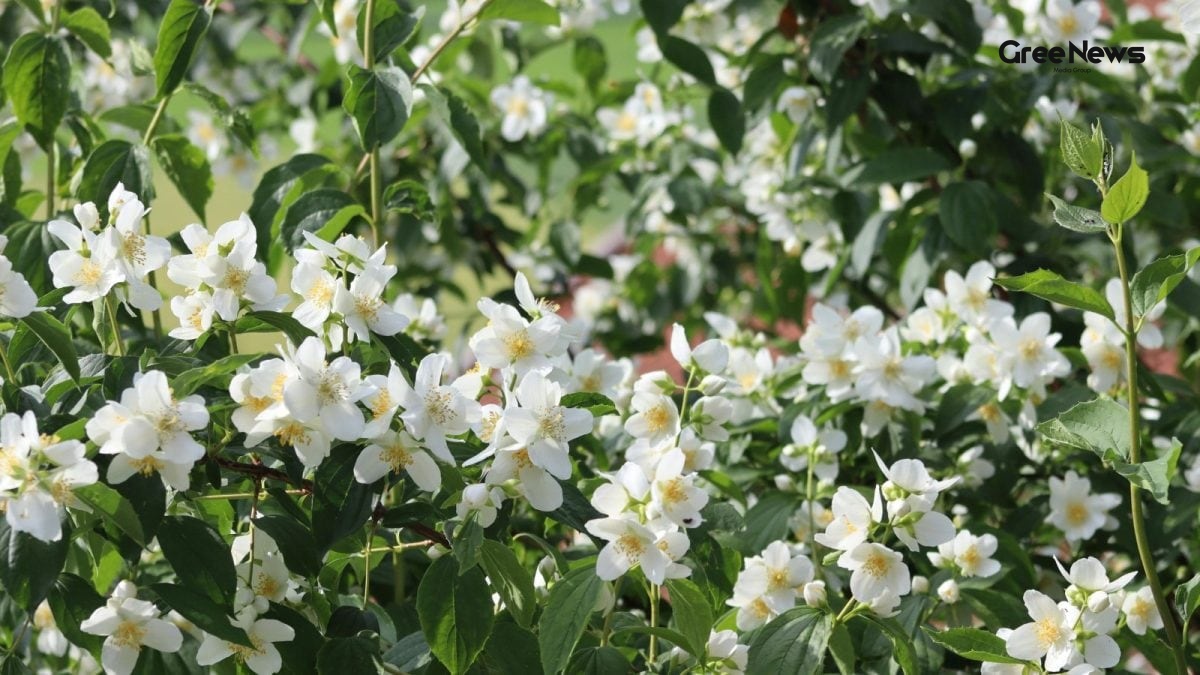
How I discovered the real reason my jasmine wasn't flowering
Honestly, I thought my jasmine was just being stubborn. I had bought a young plant from a local nursery in Delhi, hoping it would fill my balcony with that classic sweet scent. For weeks it grew lush Green leaves, but no white buds appeared. I tried everything – extra fertilizer, more water, even talking to it like my grandma does with her marigolds. Nothing worked.
One afternoon, while scrolling through some trending news India on my phone, I stumbled upon a viral post where a fellow gardener mentioned that lack of direct sunlight is the silent killer for many flowering shrubs. That caught my attention because I had placed the plant in a corner that receives only filtered light.
After a quick check, I realized the balcony got about three to four hours of direct sun, mostly in the early morning, then shade for the rest of the day. That’s far short of the six to eight hours jasmine demands. This simple observation changed everything.
Why six‑to‑eight hours of direct sunlight matters for Jasmine
Jasmine, whether it’s Jasminum grandiflorum or the common Jasminum officinale, thrives on sturdy sunlight. The plant uses sunlight to drive photosynthesis, converting light energy into sugars that fuel growth and, crucially, flower formation. In most cases, when the plant receives less than the required six hours, it directs its energy to leaf development rather than producing buds. This is a protective response – the plant thinks it’s better to stay Green than to waste resources on flowers that won’t survive without enough light.
In Indian conditions, sunlight is abundant for most of the year, but the monsoon and thick urban canopies can create shadowed zones. If your jasmine sits behind a high-rise or a rusted water tank, the shadows can be enough to stop flowering altogether.
That’s why the rule of “six to eight hours of direct sunlight” is not just a random gardening tip – it’s a scientific threshold that decides whether your plant will stay leafy or become a fragrant, flower‑laden star on your balcony.
Step‑by‑step: Relocating your jasmine for maximum sunlight
Here’s what I did, and you can try it too:
- Map the sunlight trajectory. Over a couple of days, I noted when the sun hit different parts of my balcony. I used a simple notebook – write down the hour when the light was strongest.
- Choose the spot. I found a corner near the stairwell that got morning sun from 7 am to 10 am and then again in the late afternoon till 5 pm. That added up to roughly seven hours of direct exposure.
- Move the pot carefully. Jasmine roots are delicate. I gently lifted the plant, kept the soil intact, and placed it on a small tray to avoid any spillage.
- Observe the change. Within a week, the leaves looked healthier, and the plant seemed perkier. I kept an eye out for any signs of sunburn, but jasmine is relatively tolerant.
What happened next is interesting – after about three weeks, tiny buds started forming at the tips of the branches. By the fourth week, I saw the first full bloom. This simple relocation turned my barely‑flowering plant into a beautiful, fragrant corner.
Other essential care tips to complement sunlight
Sunlight is only one part of the puzzle. To keep your jasmine thriving all year round, especially during India updates on weather patterns, consider these additional practices:
Watering wisely
Jasmine likes moist but well‑drained soil. In most Indian summers, I water early in the morning, letting excess drip out. Over‑watering can cause root rot, while underwatering stresses the plant, reducing flower count.
Soil and fertilizer
Use a mix of garden soil, sand, and compost in equal parts. This ensures good drainage and nutrients. I add a slow‑release fertilizer once a month – it’s enough to support growth without promoting leaf over‑growth.
Pruning for better bloom
After the first flush of flowers fades, prune the trailing stems back by about one third. This encourages new shoots and more buds later. I usually do this after the monsoon, as the fresh growth is robust.
Pest control
Aphids and spider mites love jasmine, especially when humidity spikes during the monsoon. A simple spray of neem oil mixed with water (one tablespoon per litre) works wonders. I also wipe the leaves with a damp cloth weekly.
Choosing the right variety
In the north, Jasminum grandiflorum (Spanish jasmine) handles cooler nights well. In the south, Jasminum sambac (Mysore Mallige) loves the heat and can bloom multiple times a year. Knowing your regional climate helps pick a variety that naturally gets enough sunlight.
Real‑life stories from Indian gardeners
Last month, a friend in Mumbai shared how she moved her rooftop jasmine from a shaded balcony (just two hours of sun) to a sun‑kissed terrace. Within ten days, the plant sprouted buds, and the whole house was filled with that classic jasmine scent. This story went viral on social media and became part of the breaking news about home gardening tips.
Another anecdote from a farmer in Karnataka highlighted how the same rule applies to larger jasmine shrubs used for commercial perfume production. When they re‑positioned their fields to receive longer sunlight, the yield of fragrant flowers increased by 30 % – a fact that made its way into trending news India under the “viral news” tag.
These examples show that the simple trick of ensuring six to eight hours of direct sun is not just a gardening myth; it’s a proven, widely‑shared practice across the country.
Common misconceptions and FAQs
"My jasmine gets enough light, but it still doesn’t bloom." – Check for nutrient deficiencies. Yellowing leaves may indicate a lack of potassium. Also, ensure the plant isn’t being over‑fertilized with nitrogen, which promotes leaf growth at the expense of flowers.
"Can I use artificial grow lights?" – Absolutely, especially during the winter months in colder Indian states. Choose full‑spectrum LEDs and keep them on for about 10‑12 hours a day to mimic natural sunlight.
"Do I need to repot my jasmine often?" – Repot every two to three years, preferably in early spring, when the plant is not in full bloom. This gives the roots fresh soil and space to expand.
Final thoughts – turning your balcony into a fragrant oasis
At the end of the day, caring for jasmine is about respecting its light needs. Once you give it those six to eight golden hours, the rest of the care routine falls into place. The scent of blooming jasmine can instantly lift the mood, whether you’re sipping chai on a rainy morning or hosting guests for an evening dinner.
If you’ve been struggling with a non‑flowering jasmine, try the simple trick I shared – move it to a sunnier spot. You’ll likely see buds within weeks, and the entire experience becomes a talking point in your circle, maybe even making its way into the next breaking news about home gardening.
Remember, gardening in India is a blend of tradition, observation, and a little bit of trial‑and‑error. Embrace the process, enjoy the fragrance, and let your jasmine become the star of your home.