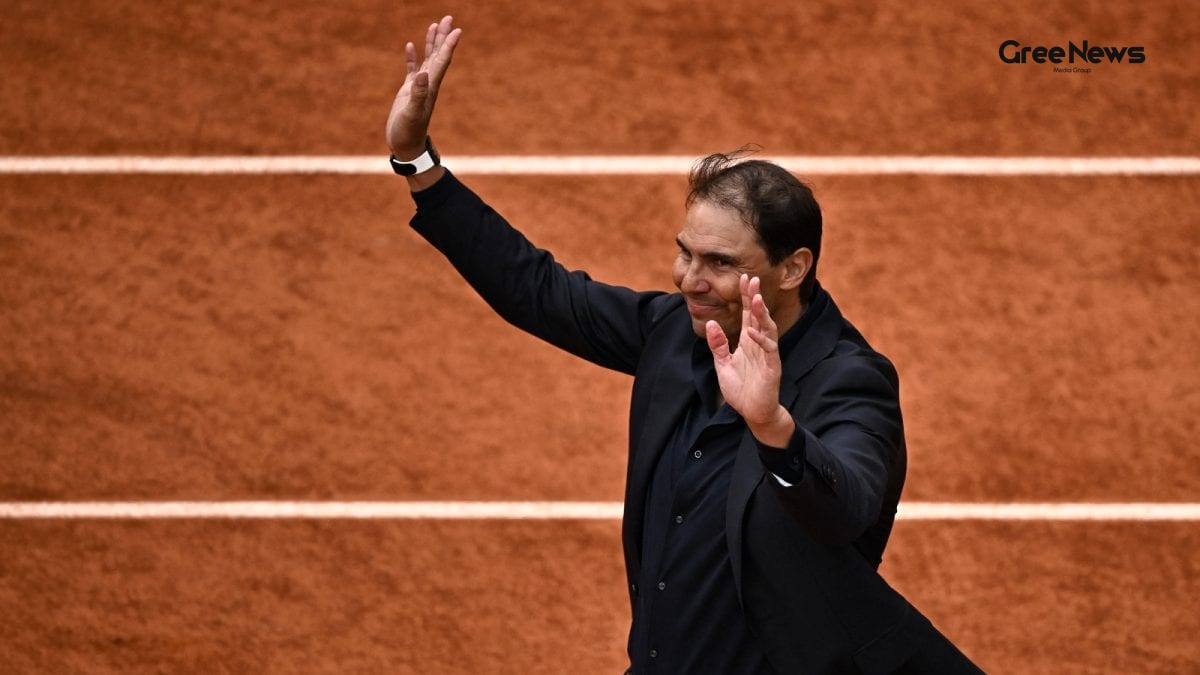
A new Netflix documentary centred around Rafael Nadal promises a behind‑the‑scenes look at one of tennis' most unthinkable legacies.
Honestly, when I first heard about this series, I thought it might just be another sports recap. But then I realised it’s much deeper it’s about the price of greatness, something many of us in India can relate to when we push ourselves for exams or jobs.
Rafael Nadal once admitted he doesn’t even remember what it feels like to play without pain. That confession stuck with me, because it’s rare to hear a champion talk about weakness so openly.
Now, that cost is finally being laid bare for the world to witness.
Netflix has announced a four‑part documentary series on the legendary Spaniard that will premiere right in the middle of the French Open. No specific date is being highlighted just that it will drop during the tournament, so you’ll be able to binge it while cheering on the clay battles.
Directed by Zach Heinzerling and produced by Skydance Sports, the series is titled Rafa. It promises “never‑before‑seen archival footage and exclusive access to the tennis champion, his family, and his inner circle.”
What’s really exciting is that the series also features iconic moments from Nadal’s career, plus unseen clips from the final months of his professional journey a period marred by injuries and the looming question of retirement. On top of that, you’ll hear insights from icons like Novak Djokovic, Roger Federer, and John McEnroe.
What the documentary promises and why it’s a piece of breaking news for Indian fans
If you’ve ever followed Nadal’s matches on Star Sports or watched the highlights on YouTube, you know he’s a national hero for many of us. This isn’t just another trending news India item; it’s a deep dive that could change how we view perseverance.
One of the curiosity hooks the producers used is the “never‑seen footage from the last months of his career.” That caught people’s attention because those are the moments we never got to see the cracked racquet, the hesitations, the quiet moments before a match.
Many people were surprised to learn that Nadal’s toughest battles were not on the court but inside his own body. The series will lay it out step by step, making it feel like you’re sitting beside him during those painful stretches.
And for those of us who love cricket analogies, think of it as a bowler battling a sprained shoulder yet still delivering a perfect yorker in the World Cup final. The stakes are just as high, and the drama is equally gripping.
Nadal’s lifelong battle with pain the hidden story
Rafael Nadal was just 19 when his body quietly started working against him. He was diagnosed with Müller‑Weiss syndrome a degenerative condition that makes the navicular bone in the foot collapse. There’s no cure, only worsening pain.
In simple terms, his sport demanded exactly what his body could no longer give. And yet, what followed made absolutely no sense at least to most of us watching from our living rooms in Mumbai or Delhi.
He went on to win 22 Grand Slam titles after that diagnosis. Fourteen of those came at the French Open, the most physically punishing clay‑court tournament in tennis.
His record there? 112 wins, 4 losses a staggering 97% win rate. If you compare that to an Indian cricketer scoring a double‑century on a bouncy pitch while nursing a knee injury, you get a glimpse of the sheer grit involved.
His greatness was even immortalised on the Roland Garros courts with a permanent plaque of his footprint next to a net post. I remember watching that ceremony on the TV and feeling a shiver it felt like seeing a hero’s statue being erected outside a stadium back home.
Life after tennis Nadal’s next chapter and his impact on India
Since stepping away from professional tennis, Nadal’s influence has remained ever‑present, especially for Indian youngsters who idolise him.
Following his honour at Roland Garros, Rafa joined Spain’s National Olympic Committee (NOC) Assembly as an athlete’s representative. He also made an appearance at the Australian Open not as a player but as a spectator, cheering on Carlos Alcaraz who many in India already see as the successor to Nadal’s throne.
When I saw pictures of Nadal sitting in the stands, I thought about how we Indian fans often gather at tea stalls to watch matches on a small TV, shouting and clapping as if we’re right there on the court. His presence there sent a wave of excitement across social media a perfect example of viral news that trended across Indian Twitter feeds.
That’s why this documentary isn’t just about a Spanish ace; it’s a piece of latest news India that taps into the collective memory of millions who have followed his career through the years.
Why Indian viewers should mark their calendars the series’ cultural relevance
For us, sports stories often weave into everyday life from school cricket tournaments to watching the Olympics with family. Nadal’s tale of fighting chronic pain while still achieving the unimaginable resonates deeply.
There’s also a practical side. The documentary sheds light on how athletes manage injuries, something that can inform budding Indian sportspeople on how to take care of their bodies. It’s not just entertainment; it’s a learning experience that adds value to the “India updates” we constantly look for.
And because Netflix is releasing it during the French Open, you can plan a binge‑watch session while the tournament is in full swing. Imagine watching the documentary, then switching to the live matches the emotional payoff will be huge.
Many people were surprised by how intimate the interviews are. Nadal talks about his family’s support, his doubts, and the moments he almost quit. That raw honesty is what makes it feel like a friend sharing a story over a cup of chai.
What to expect a mix of archival gems and fresh moments
The series is divided into four parts, each focusing on a different phase of his life:
- Rise to Stardom: Early victories, the first Grand Slam, and the diagnosis that changed everything.
- The Clay King: Dominance at Roland Garros, the mental fortitude required, and the behind‑the‑scenes footage of training on the gritty clay courts.
- Injury & Recovery: Detailed looks at his treatment, the surgeries, and how he adapted his game a segment that will be especially eye‑opening for anyone interested in sports medicine.
- Beyond the Court: His role in sports administration, mentorship of younger players, and personal reflections on legacy.
Adding to that, the documentary includes commentary from Djokovic, Federer, and McEnroe. Hearing them talk about Nadal’s work ethic with a pinch of humor and rivalry adds a layer of authenticity that makes it feel like a candid conversation at a dinner party.
From a storytelling perspective, the series uses a mix of slow‑motion replays, personal home videos, and voice‑over narration. It’s designed to keep you hooked the kind of pacing you love in an Indian TV drama, where each episode ends on a cliff‑hanger.
How this documentary fits into the larger sports narrative in India
We’re seeing a surge of sports documentaries lately from cricket legends to Olympic medalists. “Rafa” fits right into this trend, adding a fresh perspective of a sport that’s gaining popularity in India, thanks to the rise of players like Prajnesh Gunneswaran and the booming interest in tennis clubs across metros.
It also aligns with the “viral news” cycle on Indian social media. Just picture fans sharing a clip of Nadal’s emotional moments, adding a Hindi caption, and it spreads like wildfire. That synergy will boost the series’ reach and keep it on the trending radar for weeks.
Furthermore, the Netflix platform makes it accessible to a wide Indian audience, many of whom might not have the chance to watch live Grand Slam matches but can still experience the drama through this documentary.
Final thoughts why you should watch
To sum up, this documentary isn’t just about tennis; it’s about human resilience, the hidden costs of chasing greatness, and the power of support from family and fans. It’s the kind of story that makes you pause, reflect, and maybe even apply some of that grit to your own life whether you’re studying for exams, working overtime, or training for a marathon.
So, when you see the Netflix alert pop up during the French Open, grab some popcorn, invite a friend, and get ready for a roller‑coaster of emotions. Trust me, the moments when Nadal talks about his pain will hit you harder than any six‑run boundary in a cricket match.
Stay tuned, stay inspired, and enjoy the series it’s truly a piece of unforgettable “breaking news” for sports lovers across India.