LCA Tejas Takes to the Skies Again After Two‑Month Grounding
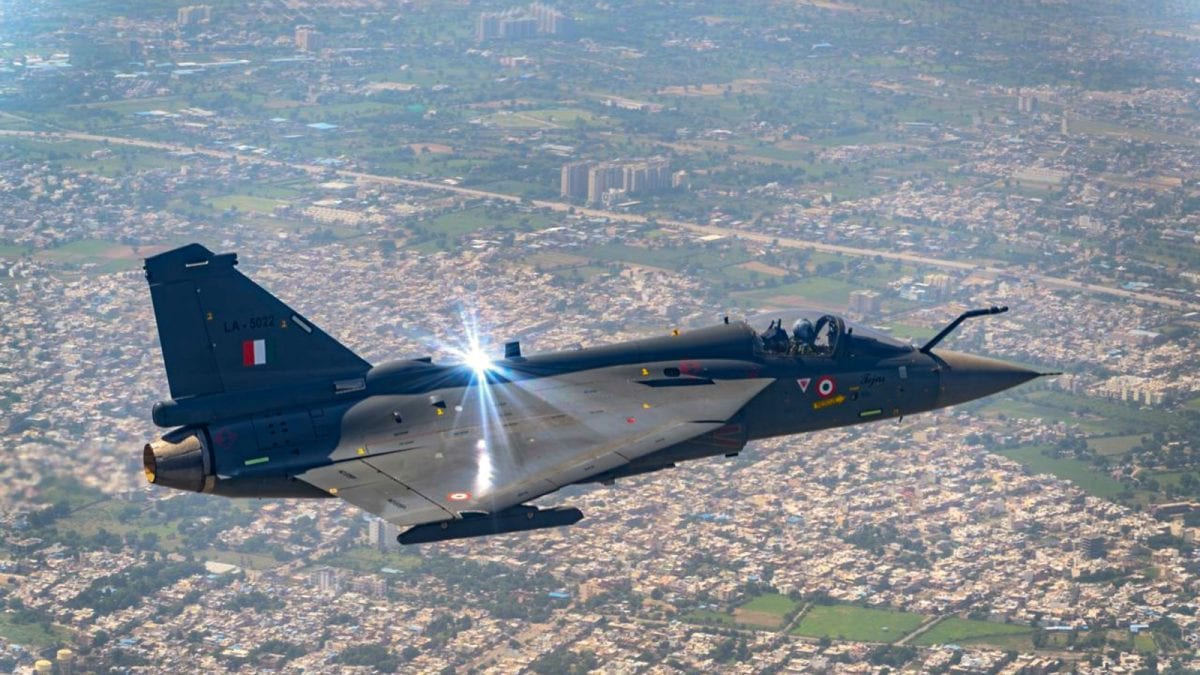
The indigenous light combat aircraft LCA Tejas is preparing to resume flight operations after a two‑month technical hold.
The Indian Air Force is poised to see the return of LCA Tejas to its operational roster after a pause that lasted for approximately eight weeks. The suspension followed a landing event in which a technical anomaly was observed, prompting safety officials to keep the entire fleet grounded until a thorough investigation could be completed.
The grounding decision was taken early in the year when a LCA Tejas aircraft encountered a technical difficulty during a routine landing maneuver. Although the aircraft remained on the ground, the event triggered a cascade of safety checks, formal reviews, and the convening of several technical committees to assess the root cause and prescribe corrective actions.
Hindustan Aeronautics Limited chief executive officer D K Sunil addressed the media shortly after the technical issue was logged. D K Sunil emphasized that the anomaly had been isolated, examined, and that remedial measures were already in place. In a public statement, D K Sunil noted that multiple expert panels were engaged to evaluate the situation and that a local modification committee (LMC) had completed its work on the required adjustments.
“There was a technical issue, which has been discussed and committees are working on it. It was discussed in a local modification committee (LMC). Good news is that Tejas, the LMC is done. So, we expect that in the coming days the fleet will start flying,” D K Sunil said.
The local modification committee (LMC) is a specialized body that reviews engineering changes, validates test data, and authorizes the release of aircraft back into service. The LMC’s involvement indicates that the technical problem was not merely a superficial glitch but required a structured engineering response. According to Hindustan Aeronautics Limited, the LMC’s clearance was the final gate before LCA Tejas could be cleared for flight.
When Hindustan Aeronautics Limited first responded to the incident, the organization described the event as a “minor technical issue on the ground” rather than a crash. The terminology underscored that no injury was reported and that the aircraft remained intact, allowing engineers to conduct a detailed on‑site examination without the complications that arise from a more severe accident scenario.
Industry analysts point out that LCA Tejas has amassed a substantial safety record over its service life. Prior to the recent string of events, the platform logged more than fifty thousand safe flight hours, a testament to its reliability in both training and operational environments. This record provides a strong foundation for confidence as the fleet prepares to re‑enter active duty.
Nevertheless, the series of incidents that have attracted public attention cannot be ignored. A hard landing during a training sortie resulted in significant structural damage, compelling the pilot to eject in a controlled manner. Another event involved an engine fuel‑feed malfunction that led to an unplanned shutdown and forced an emergency landing. A high‑visibility demonstration accident at an international airshow resulted in the tragic loss of Wing Commander Namansh Syal, a distinguished aviator who was piloting a LCA Tejas at the time.
Expert commentary highlights that while the incidents are serious, they remain isolated when compared against the overall flight hour total. The consensus among aviation safety specialists is that the LCA Tejas platform continues to meet rigorous performance standards, but that a focused review of the recent technical issues is essential to prevent recurrence.
The strategic landscape adds further urgency to the restoration of LCA Tejas to full operational status. Recent cross‑border tensions have underscored the need for a robust indigenous combat fleet capable of rapid deployment. Operation Sindoor, a recent defensive operation, demonstrated the importance of having home‑grown fighter jets ready to support ground forces and maintain air superiority.
Indian defence planners view LCA Tejas as a cornerstone of the nation’s self‑reliance in aerospace capabilities. The aircraft’s indigenously developed avionics, airframe, and propulsion systems embody a strategic push toward reducing dependency on foreign suppliers. Having the LCA Tejas back in the skies is therefore not merely an operational necessity but also a symbolic affirmation of the country’s technological progress.
Looking ahead, the Indian Air Force intends to integrate LCA Tejas more deeply into its tactical doctrine. With the aircraft’s return, training squadrons will resume normal sortie schedules, and frontline units will be able to conduct joint exercises that emphasize interoperability with other platforms. The renewed confidence in the fleet is expected to accelerate the rollout of future variants that incorporate upgraded radar, enhanced weapon stations, and extended range capabilities.
In parallel, Hindustan Aeronautics Limited is preparing a comprehensive service bulletin that will detail the corrective actions undertaken during the recent grounding period. The bulletin will serve as a reference for maintenance crews, pilots, and logistics personnel, ensuring uniform implementation of the fixes across all LCA Tejas airframes.
Stakeholders across the defence ecosystem have expressed optimism that the recent technical hurdle will translate into long‑term improvements. By systematically addressing the root cause, the industry aims to enhance the aircraft’s overall reliability, reduce unscheduled maintenance, and extend the service life of each airframe.
Public sentiment has also been closely watching the developments surrounding LCA Tejas. The aircraft represents a source of national pride, and its swift return to operational status is viewed as a demonstration of the nation’s commitment to safeguarding its airspace. Media coverage continues to highlight both the technical achievements and the human stories associated with the platform.
Finally, the upcoming flight operations will be closely monitored by senior officials of the Indian Air Force, as well as representatives from Hindustan Aeronautics Limited. Their observations will inform future policy decisions regarding fleet expansion, upgrade pathways, and potential export opportunities. The collective focus remains on ensuring that LCA Tejas can consistently deliver the performance required for contemporary and future combat scenarios.