Mother of Twins Describes Home Bombing and Displacement in Lebanon
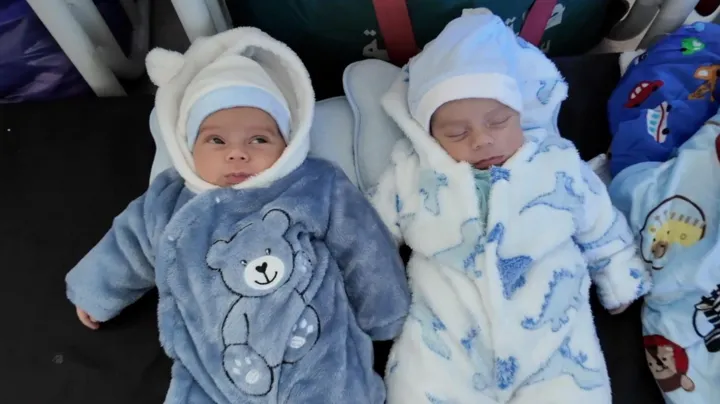
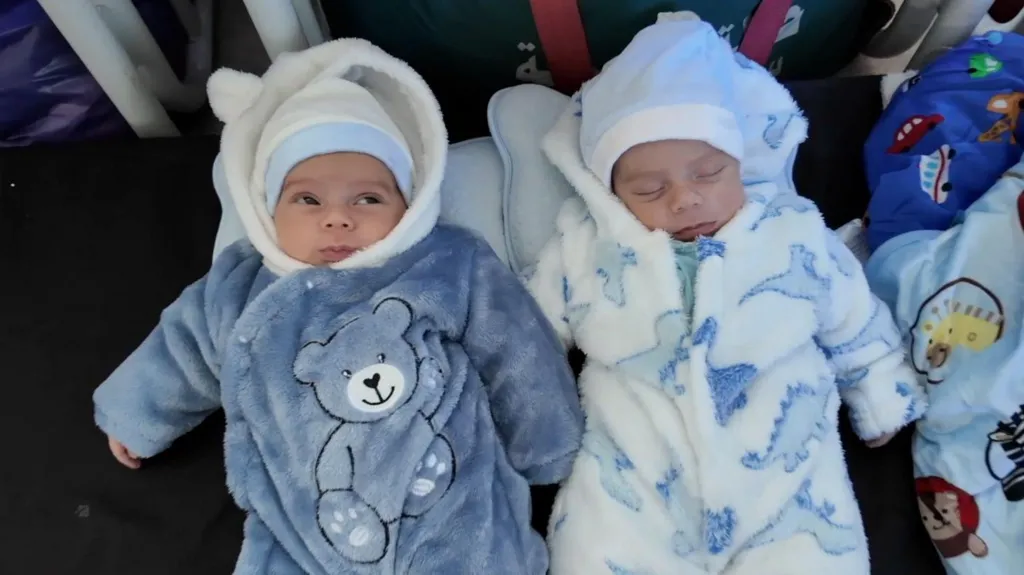
Ghada, a mother of newborn twins, is currently living in a displacement centre that occupies a former university campus in the southern Lebanese city of Sidon. Ghada explains that the Israeli army warned her to evacuate her residence before a series of planned strikes. When the warning turned into reality, Ghada’s home was bombed, and every item that Ghada had gathered in preparation for the children’s arrival was reduced to rubble.
Ghada’s experience mirrors that of more than one million individuals who have been forced to leave their homes across Lebanon as the conflict between Israel and Hezbollah deepens. Ghada now spends her nights alongside her twins and roughly two thousand other displaced persons within the concrete walls of the former university, a structure that now functions as a massive shelter.
Sidon: A Hub for Displaced Families
Sidon, Lebanon’s third‑largest city and commonly referred to as the gateway to the country’s southern region, has absorbed a substantial portion of the displacement caused by the ongoing hostilities. The city’s infrastructure, originally intended for education and civic life, has been repurposed to accommodate families fleeing combat zones. Many of the families arriving in Sidon originate from villages and towns where Hezbollah enjoys strong local support, creating a dense concentration of people with shared concerns about security and livelihood.
The transformation of Sidon’s university into a shelter has required rapid adaptation. Wide corridors that once hosted lecture halls now serve as communal sleeping areas. Makeshift partitions, often fashioned from plywood and fabric, provide a modicum of privacy for families like Ghada’s. Communal kitchens operate on limited fuel supplies, and volunteers distribute basic necessities such as bottled water, blankets, and baby formula.
Strategic Moves and Their Human Impact
The Israeli Defence Minister Israel Katz announced plans to establish a buffer zone inside southern Lebanon. The proposal includes Israeli security control over a swathe of territory and the demolition of all houses located in Lebanese villages close to the border. While the strategic rationale is framed as a measure to limit Hezbollah’s ability to launch attacks, the implementation of such a policy would inevitably increase the number of displaced persons, adding to Ghada’s already precarious situation.
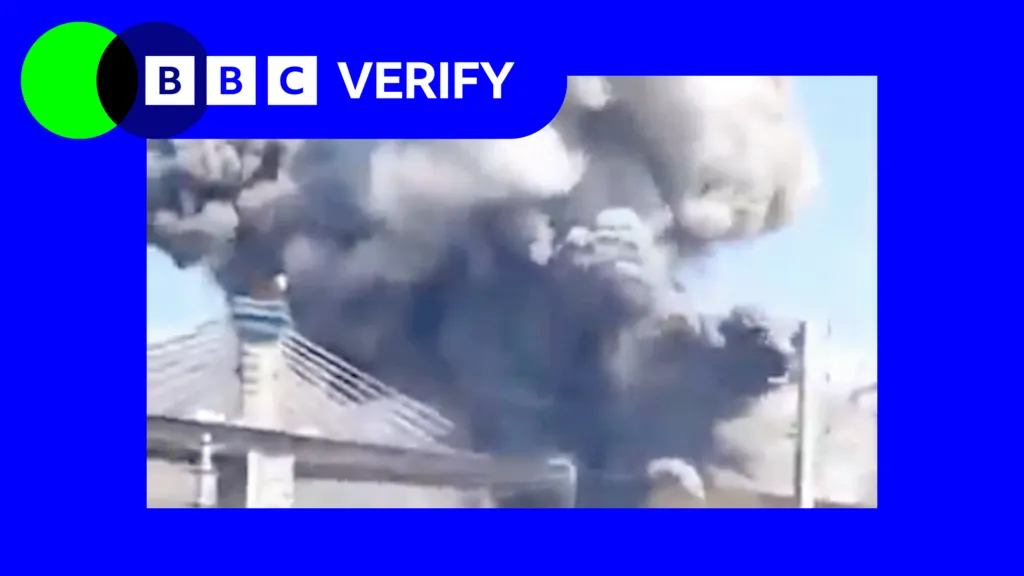
Hezbollah, responding to broader regional tensions, launched rockets into northern Israel as retaliation for an earlier high‑profile assassination. In response, Israeli ground forces entered Lebanon, conducting operations that have led to further destruction of civilian infrastructure. Throughout this escalation, Israel has continued to carry out near‑daily airstrikes targeting Hezbollah positions across Lebanon, even after a ceasefire aGreement was reached the previous year. Israel attributes these strikes to Hezbollah’s attempts to restore its military capabilities.
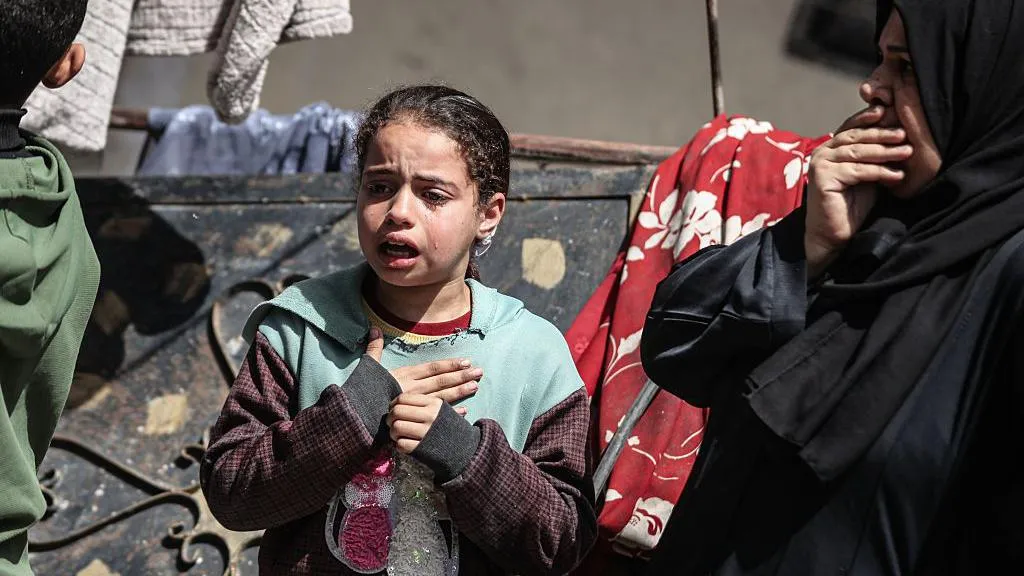
The cyclical nature of retaliation and counter‑retaliation has created an environment where civilians, like Ghada, are caught in the crossfire. The interplay of military objectives and civilian displacement underscores the complexity of the humanitarian crisis. Ghada’s statement that “our home was bombed, and everything I had prepared for the children was gone” encapsulates the loss felt by countless families forced to abandon their possessions and seek refuge in makeshift shelters.
Life Inside the University Shelter
Within the university walls, daily life is marked by a mixture of resilience and hardship. Ghada’s twins, newborn and fragile, require constant care, which Ghada endeavors to provide despite the limited space and scarcity of resources. Ghada’s routine involves waking before dawn to ensure that the twins are fed, changing diapers on thin mats laid directly on concrete floors, and navigating narrow passageways crowded with other families.
Medical assistance is available only through intermittent visits from volunteer health workers. These workers distribute basic medical supplies, administer vaccinations, and offer guidance on infant care. Ghada relies heavily on these services, as access to a fully equipped clinic is impossible within the shelter’s confines.
Food distribution occurs twice daily, with meals prepared in communal kitchens that operate on generators fed by donated fuel. The meals often consist of staples such as rice, lentils, and canned goods, supplemented by occasional fresh produce when donations allow. Ghada expresses gratitude for the regular provision of baby formula, a crucial element for the twins’ nutrition.
Education for older children, who have also taken refuge in Sidon, is organized through improvised classroom spaces. While Ghada’s twins are too young to attend, the presence of these learning areas offers a semblance of normalcy for families with school‑age children, mitigating some of the psychological impact of displacement.
Security within the shelter is maintained by a combination of local volunteers and occasional patrols by Lebanese authorities. The atmosphere is generally calm, but tension can rise when rumors of new strikes circulate. Ghada remains vigilant, frequently checking the news broadcast for updates, even as she strives to keep a stable environment for her twins.
Psychological Strain and Community Support
The psychological toll on Ghada and other displaced residents is profound. Losing a home not only erodes material security but also disrupts the sense of identity tied to a familiar environment. Ghada often speaks of the “deep sorrow” that accompanies the memory of a house that once held hopes for her family’s future.
Community networks have emerged as essential coping mechanisms. Neighbors within the shelter share resources, exchange childcare duties, and provide emotional encouragement. Ghada highlights the importance of these connections, noting that a shared cup of tea and a few comforting words can alleviate the overwhelming sense of loss.
Humanitarian organizations operate in the vicinity, offering counseling services, legal assistance, and information about potential relocation options. These services aim to empower individuals like Ghada to navigate bureaucratic processes, such as applying for aid or securing documentation required for future resettlement.
Looking Ahead: Uncertain Futures
As the conflict persists, the future for Ghada, her twins, and the broader displaced population remains uncertain. The prospect of a buffer zone, as outlined by Israel Katz, suggests further displacement for those residing near the border. Ghada’s experience illustrates how civilian lives are directly affected by strategic military decisions.
International observers continue to call for a ceasefire and a negotiated settlement that would address both security concerns and humanitarian needs. Until such aGreements translate into tangible relief on the ground, families like Ghada’s will continue to endure cramped living conditions, limited resources, and the lingering trauma of loss.
Ghada’s determination to protect and nurture her newborn twins, despite the devastation surrounding her, serves as a poignant example of human resilience in the midst of conflict. Her story underscores the urgent need for sustained humanitarian assistance, safe corridors for civilians, and a durable political solution that can prevent further displacement and enable families to rebuild their lives.