The story behind the headlines – a personal take
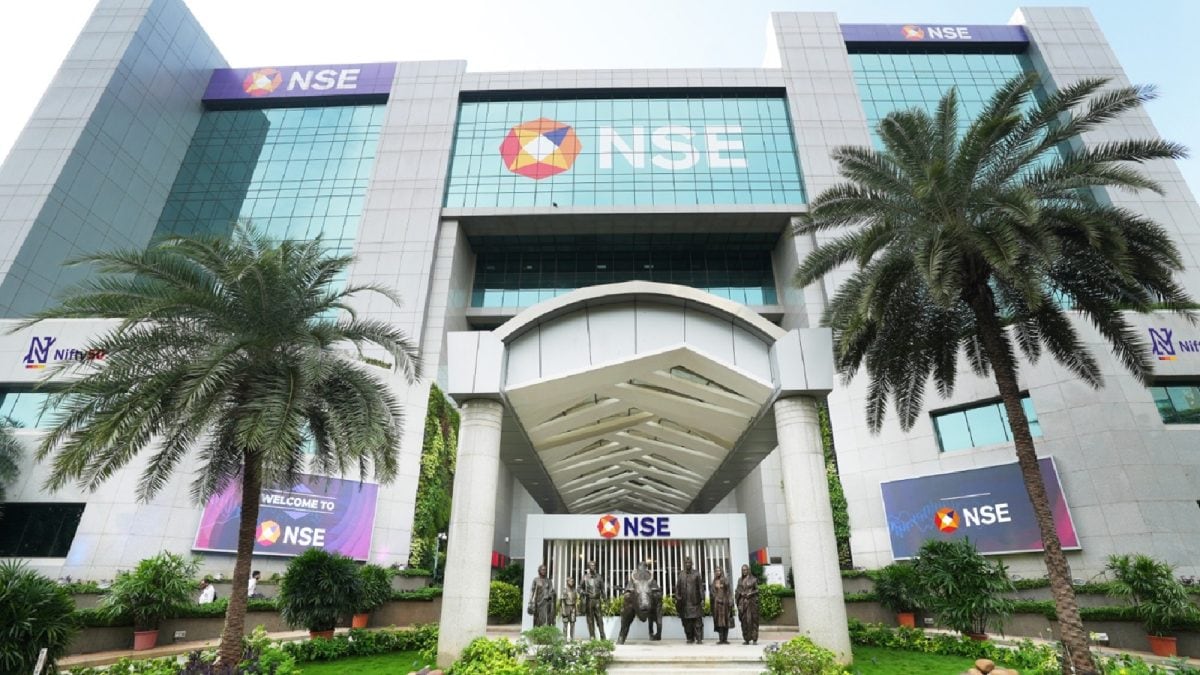
What caught my eye most was the list of names that the exchange had chosen as its trusted partners. It read like a who’s‑who of India’s financial and legal world, and I could not help but think about the countless discussions I’ve had with friends in the banking sector about which merchant bankers actually get to handle big‑ticket deals. So, I decided to dig a little deeper, and as I read through the official notice, I started imagining how each of these banks and law firms will play a role in the whole saga.
Below is my rundown of what the NSE disclosed, peppered with a few everyday observations and anecdotes that make the whole process feel a bit more relatable.
Committee approval – the Green light from the top
The appointments were given the thumbs‑up by the NSE’s IPO committee, which is chaired by none other than Srinivas Injeti. I remember seeing his name pop up a few times in board meeting minutes and thinking, “He’s the kind of guy who brings a lot of structure to big decisions.” The committee met on a Thursday – the exact day isn’t crucial – but what matters is that the approval marks the final go‑ahead after the earlier board decision to actually move forward with the listing.
From a personal standpoint, seeing a clear sign‑off from a senior figure like Srinivas gives the whole market a sense of confidence. It’s similar to when we get a final nod from the headmaster before a school function – everybody knows the event can now progress without any last‑minute hurdles.
What does the IPO look like? – an offer‑for‑sale
The proposed IPO is set to be an offer‑for‑sale (OFS). In simple terms, this means that the shares up for purchase will be sold solely by existing shareholders – there won’t be any fresh issuance of shares at this point. Basically, the stock exchange is not creating new equity; it’s just facilitating the existing owners to offload some of their holdings to the public.
This approach is quite familiar to many of us who have seen similar moves in other big Indian companies, especially when the founders or large institutional investors want to diversify their portfolios. Think of it as a family deciding to sell a few houses they own in order to invest in a new business – the asset stays the same, only the owner changes.
Merchant bankers – the 20 names on the roster
Now, coming to the big list of merchant bankers. The NSE said it chose these players through a “structured, transparent and competitive process”, which sounds very official and reassuring. The list includes:
- Kotak Mahindra Capital Company
- JM Financial
- Axis Capital
- IIFL Capital Services
- Motilal Oswal Investment Advisors
- ICICI Securities
- SBI Capital Markets
- Nuvama Wealth Management
- HDFC Bank
- Avendus Capital
- Morgan Stanley India Company
- Citigroup Global Markets India
- J.P. Morgan India
- HSBC Securities and Capital Markets (India)
- IDBI Capital Markets & Securities
- 360 ONE WAM
- Anand Rathi Advisors
- DAM Capital Advisors
- Pantomath Capital Advisors
- Equirus Capital
Seeing such a diverse mix – from local stalwarts like Kotak and HDFC to global giants like Morgan Stanley and HSBC – tells you that the NSE wants a blend of deep domestic knowledge and international expertise. I chatted with a colleague who works at a brokerage in Mumbai, and he mentioned that having both types of banks on board will likely help the IPO get better pricing, because each brings its own investor network.
Also, the presence of newer players like 360 ONE WAM and Pantomath Capital Advisors suggests that the exchange is not ignoring the fresh perspectives that younger firms can bring. In my experience, these firms often use more tech‑driven approaches for outreach, something that can be handy when trying to attract retail investors who are increasingly savvy about online trading.
Legal counsel – eight law firms on board
Legal advice is a massive part of any IPO, especially one as high‑profile as the NSE. The exchange has appointed eight respected law firms to handle the nitty‑gritty documentation, compliance and regulatory matters. They are:
- Cyril Amarchand Mangaldas
- Khaitan & Co
- Latham & Watkins LLP
- Sidley Austin Singapore Pte. Ltd.
- AZB & Partners
- S&R Associates
- Shardul Amarchand Mangaldas & Co
- Trilegal
Most of us have seen these names pop up whenever a large corporate transaction hits the headlines. They have the experience of handling complex securities laws, both in India and abroad. For example, Latham & Watkins and Sidley Austin bring a strong global outlook, while Cyril Amarchand Mangaldas and Khaitan & Co have a deep-rooted Indian market insight.
From a personal viewpoint, I think it’s smart that the NSE has not relied on a single firm. Just like when you are planning a big Indian wedding, you would call several caterers and pick the best based on taste, reliability, and price. Here, multiple firms will probably cross‑check each other’s work, reducing the chance of any oversight that could delay the listing.
Other intermediaries – the supporting cast
Beyond the core bankers and lawyers, the NSE also engaged several other intermediaries to help with execution and advisory duties. The list includes MUFG Intime India, Makarand M Joshi & Company, Manian & Rao, RBSA Advisors, Concept Communication and Redseer Strategy Consultants.
These firms will be looking after the nitty‑gritty aspects such as regulatory filings, due diligence, documentation, marketing outreach, and overall execution. In my experience, communication firms like Concept Communication play a crucial role in shaping the story that will be told to investors – they help turn the technical details of an IPO into something that retail traders on platforms like Zerodha can understand over a cup of chai.
The involvement of red‑team strategy consultants like Redseer adds a layer of market intelligence. They’ll probably be doing the research on how the NSE’s valuation compares with other exchanges globally, and how investors might perceive the stock once it hits the market.
Rothschild’s role comes to an end
Interesting side note – the process advisory role that was being handled by Rothschild & Co India has now concluded. Rothschild was initially appointed to guide the selection of these intermediaries. With the appointments now finalized, their mandate is officially over.
From a personal standpoint, this feels like the moment when a wedding planner steps back after the guest list is finalized and the venue is booked – the groundwork is done and it’s now time for the actual event to take shape.
Regulatory Green light – SEBI’s no‑objection certificate
The bigger backdrop to all this activity is SEBI’s recent no‑objection certificate, which cleared the way for the NSE to move ahead after more than a decade of delays. The original draft offer documents were filed way back in 2016 with an aim to raise around Rs 10,000 crore through the OFS.
However, the proposal hit a roadblock when SEBI raised governance concerns linked to the exchange’s co‑location case. Since then, NSE has approached the regulator several times, seeking clearance. The recent NOC basically says, “Okay, you can go ahead now,” which is why all these appointments are finally being announced.
Whenever I discuss this with friends who work in compliance, they often say that such regulatory hurdles are common in India, especially for entities that hold a lot of public interest. The fact that SEBI eventually gave the nod shows that the issues were addressed, and the market can now look forward to the listing.
What this means for investors and the market
For the everyday investor – the very people who trade on NSE daily – the upcoming IPO could be a unique opportunity. Since it’s an offer‑for‑sale, the shares will be made available by existing shareholders, meaning there won’t be any fresh dilution of existing holdings. In practice, this often translates to a cleaner equity structure post‑IPO.
Moreover, the presence of so many seasoned merchant bankers and law firms should, in theory, ensure that the pricing, allocation and compliance are handled professionally. From my own small‑scale trading experience, I have seen that the credibility of the advisors can affect how quickly the book‑building process moves and how fairly the shares are allotted to retail versus institutional investors.
One practical observation: because the NSE is a market infrastructure provider rather than a product‑based company, its earnings are relatively stable. That could make its stock attractive for long‑term investors looking for steady returns, much like how people invest in government bonds for stability.
Final thoughts – watching the NSE’s journey unfold
All in all, the appointment list reads like a well‑orchestrated plan to ensure the IPO sails smoothly. I feel a mix of excitement and curiosity, just as I do when a favourite TV series finally releases a new season after a long wait. The NSE’s move towards listing is not just a corporate decision; it’s a signal that India’s financial markets are maturing, and that even the exchanges themselves are ready to be part of the public shareholders’ club.
If you, like me, spend a few minutes every day checking market updates while having breakfast, you’ll probably notice more detailed news about the IPO in the coming weeks – roadshows, price bands, and maybe even a few celebrity investors jumping on board. Keep an eye out, because this could be an event that reshapes how we all perceive the stock market in India.
Until then, I’ll keep my chai brewing and my eyes on the market, waiting for the next update from the NSE. After all, watching a giant like the National Stock Exchange take its first step onto the public stage is something we can all talk about over a cup of tea with friends and family.