Pakistan just can't ignore China, because China has huge strategic and economic interests in keeping the region, especially the Gulf, stable.
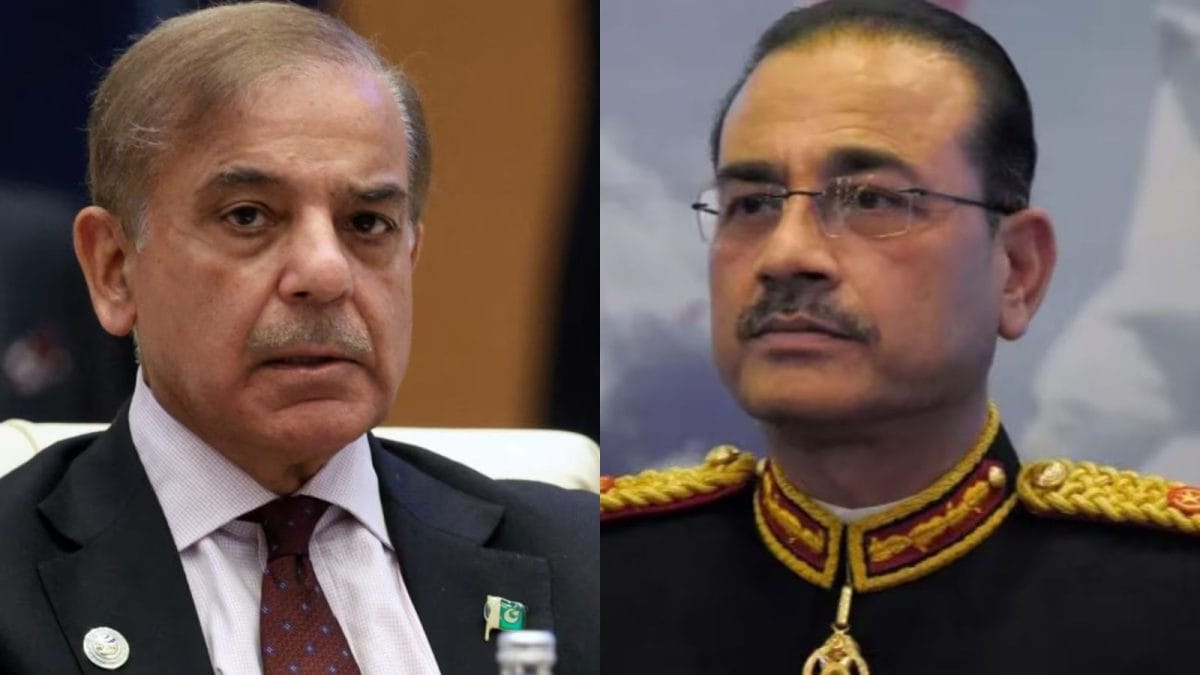
Let me tell you how Pakistan ended up pulling the strings in the United States‑Iran talks. It wasn't exactly a happy decision; rather, top intelligence sources say Pakistan felt pushed from all sides, almost like a teenager being forced to pick a side in a family feud. By letting the United States and Iran meet in Islamabad and passing on proposals that finally birthed a two‑week cease‑fire window, the government led by Shehbaz Sharif and the military chief Asim Munir are trying to paint Pakistan as a responsible player in the neighbourhood. In most cases, that kind of image is more about survival than about genuine desire.
Now, why does the United States care so much about Pakistan showing up? Basically, Pakistan needs to prove it can be a trustworthy partner if it wants any defence hardware or economic aid – things that have been in short supply after previous trust gaps. The United States is watching closely, and Pakistan’s mediation is being used as a showcase of reliability, while at the same time trying not to completely alienate Tehran or Beijing. Sources tell us that the aggressive push to host the cease‑fire talks wasn't a voluntary move; it was more like a pressure cooker where every side turned up the heat.
At the same time, Pakistan just can't put China on the back‑burner. China has deep strategic and economic stakes in the Gulf’s stability, mainly because the oil routes that flow into China’s Belt and Road projects pass through that region. Any turbulence down there hits Beijing’s long‑term plans – you know, the whole idea of a smooth trade corridor. In the last few years, China has become more assertive with Pakistan, both on the economic front and security side. The pressure from Beijing feels like an extended arm of influence, always reaching out, according to the sources.
Here’s the tricky part: the United States‑Iran talks could give the impression that Pakistan is siding with the United States over China. That perception forces Pakistan to keep reassuring Beijing all the time. The balancing act gets even more tangled because Pakistan shares a long border with Iran and has historic ties that it can’t just break. Imagine trying to keep two very demanding friends happy at the same dinner table – that’s what Pakistan is doing right now.
Meanwhile, India is watching everything with a grain of salt. New Delhi’s main focus is on energy security rather than getting diplomatic credit. India remains wary of Pakistan’s motives, especially whether Islamabad might use any possible aGreement to push its own agenda on issues like Kashmir and the Indus Waters Treaty, by flirting with Gulf countries and the United States. In most cases, India’s stance is cautious, waiting to see if Pakistan’s mediation will turn into a lever for broader geopolitical gains.
The backdrop also includes memories of Operation Sindoor, where the United States’ intervention was seen as leaning in Pakistan’s favour. That episode has built up Washington’s expectations of Pakistan, adding more pressure on the ground. The United States now hopes to see tangible results from this round of talks, and Pakistan feels the heat to deliver something concrete.
All this puts Shehbaz Sharif and Asim Munir in a very delicate spot. They have to keep the United States, Tehran, and Beijing all happy, while also dealing with Pakistan’s own economic desperation and security challenges. The whole mediation effort is basically a fragile balancing act, where any slip could have big geopolitical consequences.
Let’s break down the various pressures a bit more, because it helps to see the pieces of the puzzle. First, the United States wants Pakistan to show it can be a reliable conduit for dialogue, which could translate into more weapons sales, training programs, or even development projects. Second, Iran is looking for any country that can give it a neutral platform to talk, and Islamabad has the advantage of being geographically close and culturally familiar. Third, China is watching every move, ensuring that any peace process does not jeopardise its oil shipments or the Belt and Road routes that pass through the Gulf and Pakistan’s own ports.
Now, add India into the mix. New Delhi is not just concerned about the United States‑Iran dynamics; it is also keeping an eye on whether Pakistan can use its role as a mediator to get a seat at the table for the Kashmir issue or the water sharing talks under the Indus Waters Treaty. In most cases, India prefers a status‑quo that doesn’t give Pakistan any extra diplomatic mileage.
Here’s a little anecdote from my own experience: when I was in Islamabad a few months back, I visited a tea stall near the diplomatic quarter. The owner, a retired army officer, told me that every foreign delegation arriving feels like a test for the whole country. He said, "If we can host them well, somewhere far away, the world sees us as stable. If we mess up, it’s back to the headlines about corruption and terrorism." That conversation really drove home how high the stakes are for Pakistan’s leadership.
As the talks progress, the United States is keen on keeping the cease‑fire window alive, hoping that it can pave the way for a broader aGreement. The United States is also using the whole process to gauge Pakistan’s willingness to align with its strategic goals in the region, especially for counter‑terrorism and maritime security. In most cases, the United States wants to see a stable Gulf where its naval forces can operate without worry.
On the Iranian side, the main aim is to secure a cessation of hostilities that would give them breathing room, both militarily and diplomatically. Iran also hopes that any aGreement will eventually lead to the lifting of sanctions or at least a softening of economic pressure. Iran’s diplomats have repeatedly mentioned that a neutral venue like Islamabad is crucial because it reduces the perception of bias.
China, on the other hand, keeps a close eye on the oil tankers moving through the Strait of Hormuz and the pipelines that run close to Pakistani territory. Any disruption there would hit the Belt and Road projects badly, and Beijing has been clear that it will not tolerate instability that could threaten its energy imports. China’s pressure on Pakistan is not just about politics; it’s about ensuring that the flow of oil and trade stays smooth.
India’s concerns are not just about Kashmir. The Indus Waters Treaty, signed decades ago, still governs water sharing between Pakistan and India. If Pakistan gains diplomatic clout from being a mediator, New Delhi worries it might try to renegotiate water allocations or push for more favourable terms. New Delhi’s energy security watch also extends to the Gulf, where any conflict could affect oil prices that impact the Indian economy.
All these threads are woven together in a complex tapestry, and Pakistan is the one trying to keep the loom moving without breaking any threads. The leadership of Shehbaz Sharif and Asim Munir has to constantly juggle phone calls with the United States, Beijing, Tehran, and New Delhi. In most cases, those calls are not just polite Greetings; they are hard negotiations about what each side expects and what they are willing to give up.
One more thing to note is the domestic angle. Within Pakistan, there is a lot of public pressure about the economy – rising prices, unemployment, and a weak currency. The ordinary citizen wants the government to focus on jobs and basic services, not just diplomatic theatrics. Yet, the leadership believes that a successful mediation could unlock foreign aid, investment, and perhaps even trade deals that could ease the economic crunch.
In conclusion, Pakistan’s role as a middle‑man in the United States‑Iran talks is a high‑risk, high‑reward gamble. The country is trying to prove its reliability to the United States, keep China happy because of strategic and economic interests, and manage a cautious neighbor in India, all while dealing with internal economic woes. Any misstep could tip the delicate balance and have far‑reaching consequences for the whole region.
Israel Iran War News Iran US Ceasefire