Reexamining the Controversial Demise of Pratyusha Banerjee

The loss of a beloved television star still reverberates across the industry.
Career Highlights and Public Persona
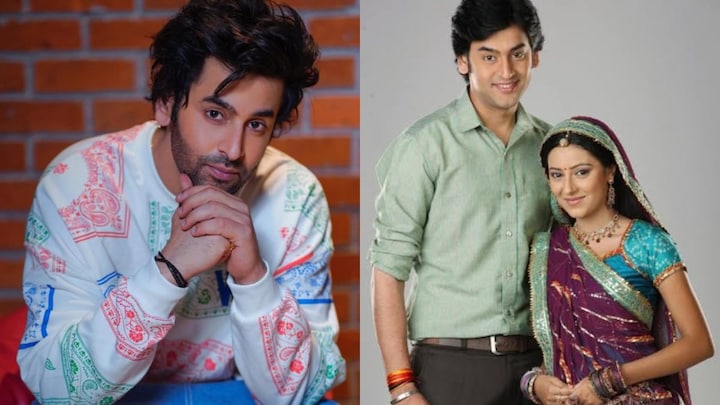
Pratyusha Banerjee rose to prominence through the portrayal of the youthful protagonist Anandi in the widely acclaimed serial Balika Vadhu. The role secured a place for Pratyusha Banerjee in the collective memory of Indian television audiences, establishing a reputation for portraying innocence and resilience with compelling authenticity. Following the success of Balika Vadhu, Pratyusha Banerjee expanded the portfolio with performances in Adhuri Kahaani Hamari and Rakt Sambandh, each series offering a different shade of dramatic expression. A subsequent appearance on the reality program Bigg Boss further amplified public recognition, allowing Pratyusha Banerjee to connect with viewers beyond scripted drama.
Beyond the on‑screen achievements, Pratyusha Banerjee cultivated a vibrant presence on social media, frequently sharing personal reflections, behind‑the‑scenes glimpses, and heartfelt messages with an ever‑growing follower base. The authenticity displayed in these digital interactions contributed to a strong emotional bond between Pratyusha Banerjee and admirers, many of whom felt a personal connection to the actress’s journey.
Unfolding of the Tragic Event
On the day that would later become a watershed moment in Indian television history, authorities were alerted to a distressing scene at a residence located in Goregaon. According to accounts provided by the Mumbai Police, the body of Pratyusha Banerjee was discovered hanging within a private apartment. The discovery prompted immediate medical intervention, with emergency personnel transporting Pratyusha Banerjee to a nearby hospital. Despite medical efforts, the attending physicians pronounced the failure of resuscitation, confirming the loss of Pratyusha Banerjee at the age of twenty‑four.
The initial investigative narrative put forth by law enforcement agencies classified the incident as a possible suicide, citing the circumstances surrounding the discovery. This early assessment set the tone for public discourse, sparking a cascade of media coverage, speculation, and emotional responses from fans and colleagues alike.
Family Allegations and Legal Action
Shortly after the confirmation of Pratyusha Banerjee’s death, the parents of Pratyusha Banerjee lodged a formal complaint against Rahul Raj Singh, the individual identified as Pratyusha Banerjee’s partner at the time of the incident. The complaint invoked multiple provisions of the Indian Penal Code, specifically sections 306, 504, 506 and 323. These sections pertain respectively to abetment of suicide, intentional insult, criminal intimidation, and voluntarily causing hurt. The filing signaled an unequivocal stance by Pratyusha Banerjee’s family, asserting that the circumstances surrounding the demise were not solely a matter of personal tragedy but potentially involved criminal misconduct.
In public statements, Pratyusha Banerjee’s parents repeatedly emphasized the belief that foul play was a factor in the loss of Pratyusha Banerjee. A quoted interview, as reported by ETimes, highlighted an assertion that “there are reasons to believe that Pratyusha Banerjee was killed through a pre‑planned murder.” This claim underscored the contention that the incident was not a simple act of self‑infliction but rather a calculated act orchestrated by external forces.
Later judicial proceedings focused on a petition submitted by Rahul Raj Singh seeking discharge from the charges. The sessions court in Mumbai scrutinized the petition and concluded that, on a prima facie basis, there existed evidence suggestive of systematic physical, emotional, and financial harassment directed toward Pratyusha Banerjee by Rahul Raj Singh. The court’s observation intimated that such sustained pressure could have contributed significantly to a state of depression experienced by Pratyusha Banerjee.
Current Status of the Judicial Process
The legal proceedings that originated from the complaint filed by Pratyusha Banerjee’s family remain active, with both parties engaged in continued litigation. Although several procedural milestones have been reached, including the rejection of the discharge plea by the sessions court, the case has yet to reach a final adjudication. Throughout the duration of the trial, the judicial narrative has been shaped by testimonies, documentary evidence, and expert analyses that aim to reconstruct the circumstances leading up to the fatal event.
Legal experts and commentators have observed that the case stands as one of the most contentious and widely discussed incidents within the sphere of Indian television. The combination of high public interest, the involvement of a prominent media personality, and the complex interplay of alleged personal and criminal elements render the matter a focal point for broader discussions on mental health, domestic dynamics, and the responsibilities of law enforcement when handling high‑profile cases.
In the public domain, the memory of Pratyusha Banerjee continues to be honored through retrospectives, fan tributes, and ongoing dialogues about the pressures faced by individuals in the entertainment industry. The unresolved nature of the legal case adds an additional layer of gravity to these conversations, prompting calls for transparent investigations and accountability.
Enduring Impact and Reflection
Beyond the immediate legal ramifications, the demise of Pratyusha Banerjee has catalyzed a broader societal reflection on the mental well‑being of public figures. Industry insiders have highlighted the intense scrutiny and demanding schedules that actors often endure, underscoring the importance of supportive frameworks and accessible mental‑health resources. The tragedy has also sparked dialogues regarding the role of media houses in safeguarding the personal lives of their talent, particularly when personal relationships intersect with professional responsibilities.
Fans and colleagues alike continue to celebrate the artistic contributions of Pratyusha Banerjee, frequently revisiting landmark performances that defined a generation of television viewers. Social media platforms remain populated with heartfelt messages, photographic mosaics, and video compilations that collectively preserve the cultural imprint left by Pratyusha Banerjee.
From a jurisprudential perspective, the ongoing case serves as a reference point for future investigations involving alleged domestic abuse and alleged suicide. Legal practitioners often cite the procedural developments in the matter as illustrative of the challenges inherent in distinguishing between self‑inflicted fatality and potential homicide, especially when the parties involved share a complex personal history.
In summary, the confluence of professional acclaim, personal turmoil, and unresolved legal inquiries makes the story of Pratyusha Banerjee a multifaceted narrative that continues to evoke strong emotions and thoughtful analysis. The continued public interest underscores a collective desire for clarity, closure, and the preservation of Pratyusha Banerjee’s artistic legacy.