Why the ‘Sarke Chunar’ Storm Became the latest news India could talk about
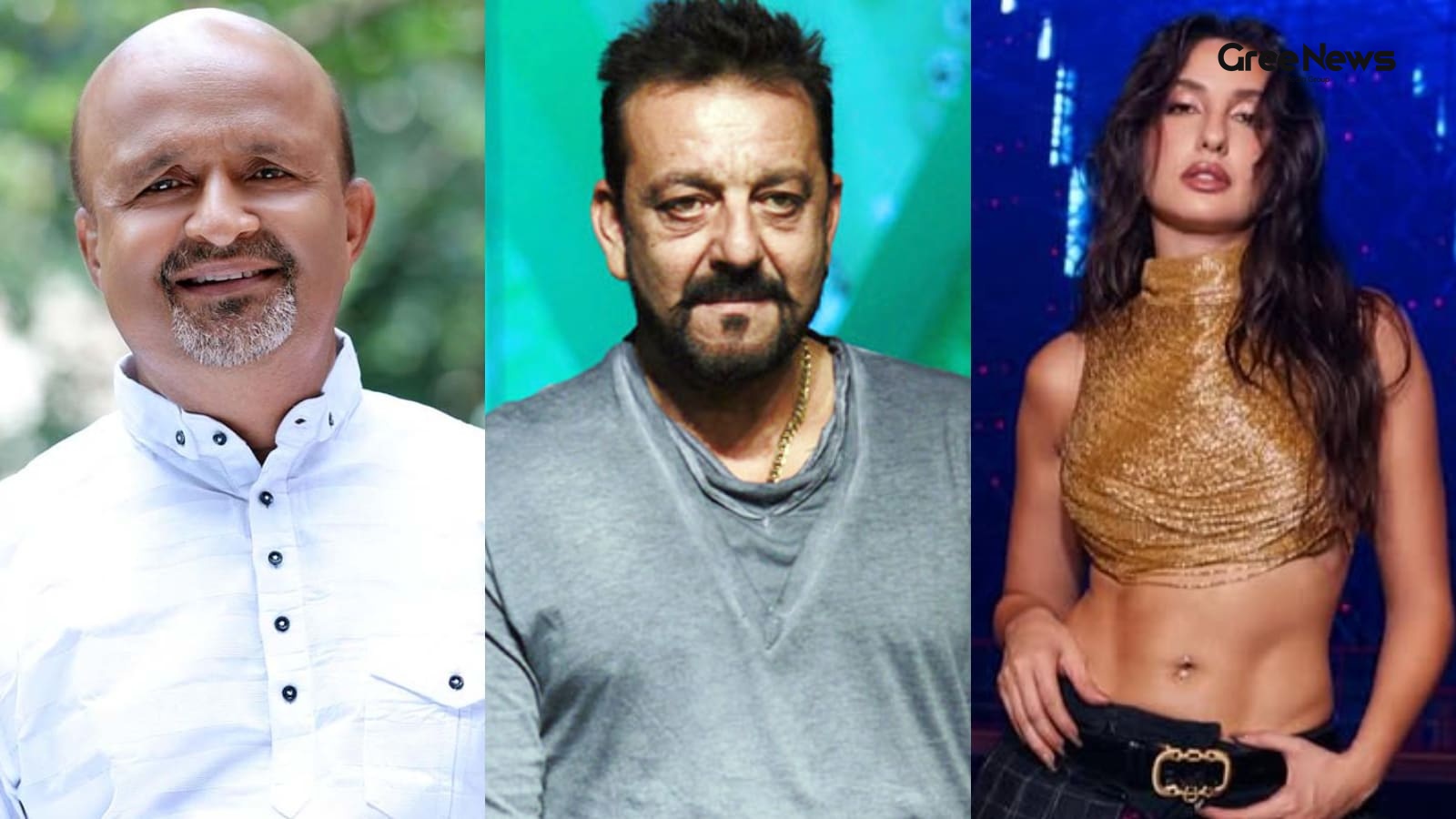
So, you know how every weekend there’s some breaking news that gets everyone talking on WhatsApp groups? Well, the uproar over the song “Sarke Chunar” from the upcoming Kannada movie KD: The Devil was exactly that kind of viral news. The track, which stars Nora Fatehi, suddenly became the centre of a social media firestorm because many listeners felt the lyrics were dripping with sexual innuendo. The backlash was so intense that the Artists’ Integrity Collective of Writers’ Association (AICWA) wrote a stern letter to the CBFC chairman, demanding an FIR against the song’s makers. It’s the kind of story that made the whole nation sit up and take notice truly trending news India style.
What exactly sparked the controversy?
Basically, the song was meant to be a peppy number for the film, but the line‑by‑line translation from Kannada to Hindi introduced some double meanings that many felt crossed the line. The lyricist Raqueeb Alam explained that he only translated the original Kannada verses; the director Prem had penned the original version. Nora Fatehi later clarified in a video that she never approved the Hindi version and asked fans not to hold her accountable for the controversy. She even missed an appearance before the National Commission for Women after being summoned a move that added another layer of drama to the whole saga.
What happened next is interesting the censor board gave the song a final chance to be heard at a later hearing, but ultimately decided to ban it. The whole thing became a case study of how songs, which are often considered a harmless part of cinema, can turn into a legal and moral battleground.
Sameer Anjaan’s take why writers keep getting the heat
When I sat down with Sameer Anjaan for an exclusive chat, he was pretty frank. He said the first instinct of many is to point fingers at the writer or lyricist, thinking they’re the ones at fault. But Sameer argues that writers are usually the least responsible for the final product that reaches the public. “Log humesha writer ko gherne ki koshish karte hai, jabki sabse kam galti writer ki hoti hai,” he said, adding that sometimes a song needs a little ‘mirch masala’ to fit the story’s mood. He compared “Sarke Chunar” to his own older track “Sarkai Lo Khatiya,” which also faced criticism for its bold wordplay.
He made a point that the difference lies in how the audience receives the content. “Sarkai Lo Khatiya was that kind of song, but it wasn’t a Sanjay Dutt‑style number,” he laughed. Sameer believes that while a little spice is okay, deliberately vulgar lines cross a line we should be wary of.
Calling out the CBFC did they miss the vulgarity?
Sameer didn’t hold back on the censor board either. He wondered why the CBFC didn’t flag the song earlier, when even a regular auto‑driver could sense the double meaning. “Legal route lene ka mauka hi kyun diya gaya usko?” he asked, hinting that the board gave a chance to fight back but then just banned the track later. He believes that once something is out on the internet, it’s almost impossible to erase it completely a reality many of us have seen when a meme spreads faster than we can delete it.
He also highlighted a glaring double standard: big‑budget films often contain strong language in dialogue, yet they sail through without much scrutiny. “Kuch sabse bade films aur shows mein bhi gaali‑galoch hoti hai dialogues ke naam pe,” he remarked. Sameer’s observation fits well with the ongoing debate about whether OTT platforms should face the same censorship that theatrical releases do.
Double standards between cinema and OTT what’s the real issue?
“If dialogues can have cuss words, why can’t songs?” Sameer asked, pointing out the hypocrisy. He noted that there’s virtually no regulation on streaming services, yet the same content might be shown on a big screen with a different set of rules. “Agar log gaaliyaan sunne ke liye tayyaar hai, toh phir vulgar gaane bhi sunne do,” he said, arguing that the audience should have the freedom to choose what they want to watch, provided they’re aware of the content.
He also touched upon the idea of releasing ‘blue’ films after they’ve had a few days of restricted viewing a practice that many of us have seen on platforms where age‑gated sections are set up. Sameer feels that this approach is just a way to bypass stricter scrutiny, and it leaves a lot of unanswered questions about consistency in how we treat music versus dialogue.
Society’s growing openness are we too lenient?
According to Sameer, the root of this chaos is a society that’s becoming increasingly open‑minded, perhaps too much so. He believes there should be stricter restrictions on songs that carry explicit content before they even see the light of day. “What’s the point of banning it and fighting it out when it has already released?” he questioned, highlighting the irony of fighting a digital wave that’s already crashed onto the shores of our social feeds.
He reminisced about an earlier time when people seemed to know their boundaries better. “Earlier people knew their boundaries but abhi agar saari duniya itni khul gayi hai, toh khulne do!” he exclaimed, suggesting that the current wave of openness might be leading us into a space where anything goes, and the line between artistic expression and vulgarity gets blurred.
What does this mean for writers and the industry?
For lyricists like Sameer and the countless others who work behind the scenes, this whole episode underscores a pressing need for clearer guidelines. While they want to bring ‘mirch masala’ to a song, they don’t want to be the scapegoat when things go wrong. The conversation also reminds us that the Indian entertainment ecosystem is evolving fast from the big screen to OTT platforms, the way we consume content is changing, and so should the rules that govern it.
Most importantly, Sameer’s take is a reminder that while we love a good catchy tune, we also need to think about the impact of those words in a country as diverse as India. Whether it’s the latest news India is buzzing about or a song that becomes viral news, the balance between creative freedom and social responsibility will always be a hot topic.
Wrapping up the bigger picture
In the end, the “Sarke Chunar” saga is more than just a song ban; it’s a snapshot of how India grapples with modern media, censorship, and the power of public opinion. It shows that when a track goes viral, it can quickly become breaking news, sparking debates in households, online forums, and even parliamentary corridors.
Sameer Anjaan’s candid reflections serve as a useful lens to view this whole episode a reminder that writers, directors, and musicians all share a responsibility, and that the system should not single out any one group unfairly. As we keep watching how the story unfolds, one thing’s clear: the conversation about what’s acceptable in our songs will continue to evolve, just like the music itself.