- Parishmita Saikia
Why Tenkasi Schools Went on Holiday A Personal Glimpse
Honestly, when the announcement came that all government and aided schools in Tenkasi would stay closed for a day, my first reaction was a mix of relief and curiosity. As a teacher, I’m used to juggling lesson plans, board exams and the occasional parent‑teacher meeting. But the idea of a school holiday because of election duties felt a bit unusual almost like getting a surprise half‑day, yet with a purpose behind it.
In most Indian towns, especially during election season, we see a flurry of activity: polling booths being set up, volunteers handing out voter cards, and a noticeable buzz in the air. This year, the Election Commission decided to roll out the second phase of poll duty training right in our district, covering all five Assembly constituencies. The training is meant to equip teachers, clerks and other government employees with the know‑how to manage polling stations efficiently.
With so many of us expected to attend, the authorities realised that keeping schools open would cause severe disruption. Imagine trying to teach a class while half the staff is away for a training session it would be chaos. So, they declared a holiday, which, from a logistical standpoint, made perfect sense.
My Morning From Classroom to Training Hall
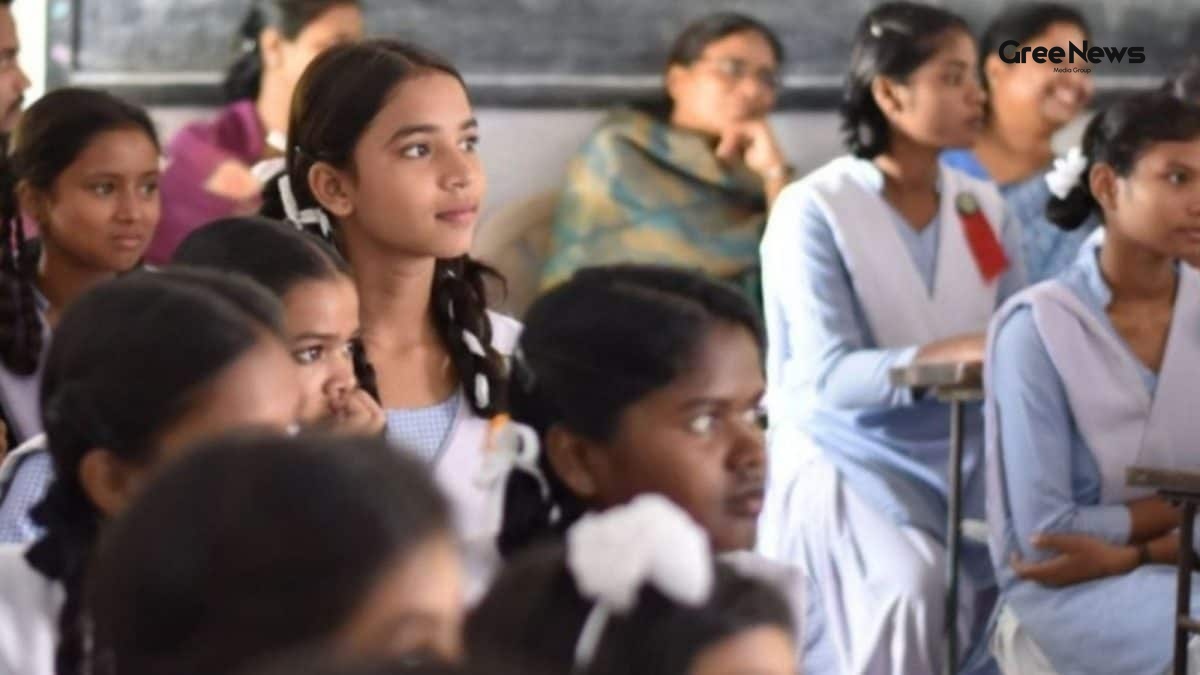
That morning, the usually bustling school compound was eerily quiet. The school bell didn’t ring, the playground was empty, and the chalkboards were left soaking up dust. I met a few fellow teachers at the district headquarters where the training was being held. Everyone was carrying a mix of excitement and a dash of nervousness after all, many of us were going to be part of the polling process for the first time.
We were Greeted by a senior officer from the Election Commission, who began with a brief introduction about the importance of the upcoming polls. He highlighted how Tamil Nadu’s 2026 Assembly elections are expected to be a pivotal moment, with the latest news India suggesting a high voter turnout across the state. The officer’s words reminded us that we were not just teachers; we were also custodians of democracy.
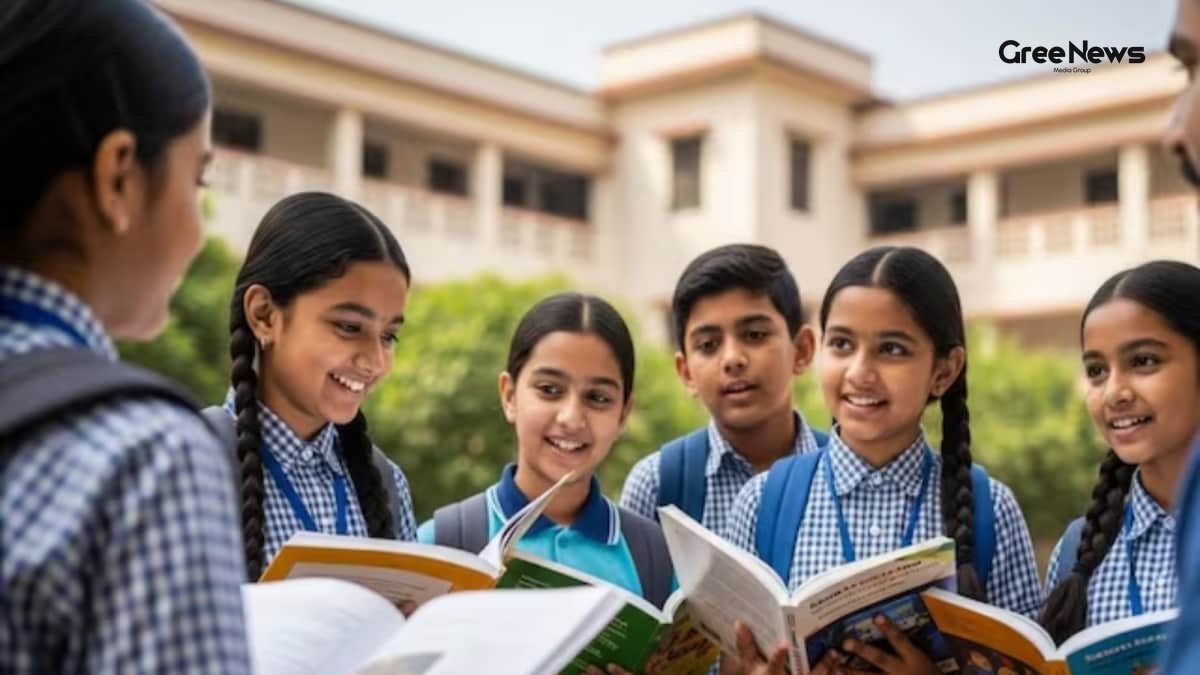
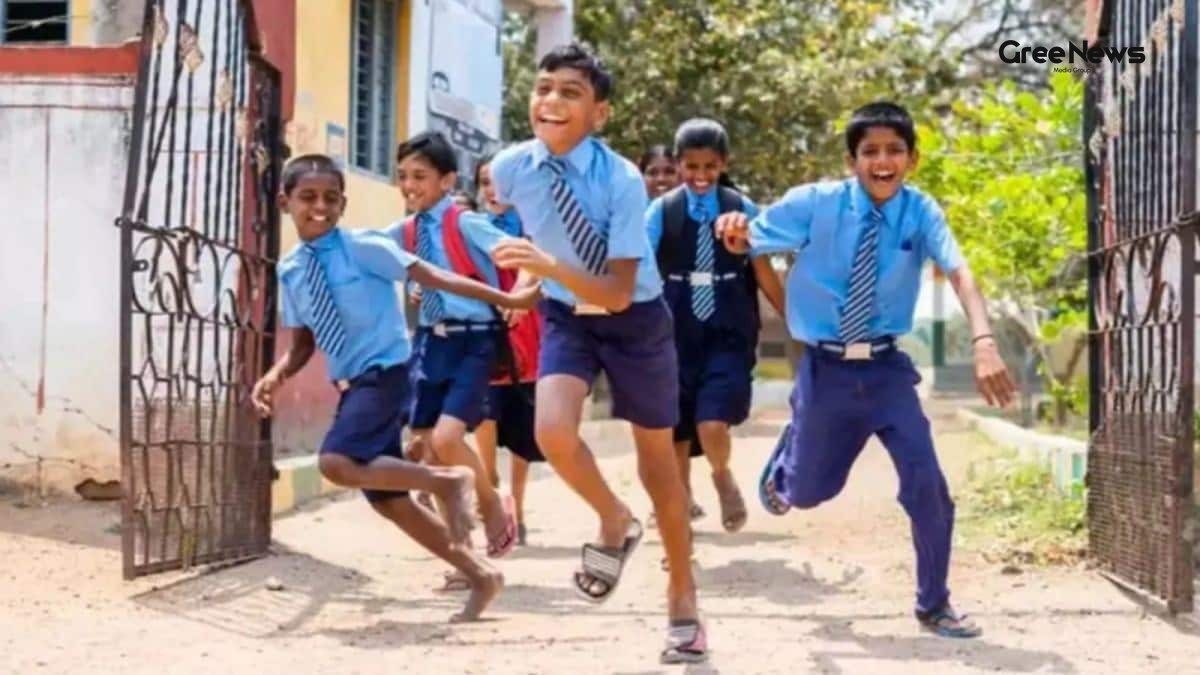
During the break, I chatted with a colleague from a neighbouring school about how the students had reacted. Some were thrilled about the surprise holiday, while others wondered why their teachers were suddenly away. I could see the genuine curiosity on their faces a glimpse of how the election buzz, even at a school level, can become viral news among youngsters.
What the Training Covered A Deep Dive
The training was split into three main modules. First, we went through the basic procedural guidelines how to set up the polling station, manage the voter list, and ensure that the voting booths were accessible for everyone, including senior citizens and differently‑abled voters. The instructor emphasized the need for transparency, pointing out that any deviation could become breaking news and jeopardise public trust.
Second, we tackled the technical side: operating electronic voting machines (EVMs), handling the Voter Verifiable Paper Audit Trail (VVPAT) slips, and troubleshooting common glitches. I must admit, the EVM demo was the most interesting part. Seeing the machines in action made me appreciate the technology that keeps our elections smooth and secure a factor often highlighted in trending news India when elections roll around.
Finally, we discussed the code of conduct for poll staff. This included everything from maintaining neutrality in the booth area to proper handling of complaints. There were role‑play exercises where we simulated a scenario of a voter disputing their name on the list. The practical approach helped cement the rules in our minds, making us feel better prepared for the actual day.
Balancing Educational Commitments and Election Duties
One of the biggest concerns for us teachers was how the holiday would affect our students’ syllabus. After all, the school year is tightly packed, and missing a day could mean losing valuable teaching time. However, the district administration assured us that the holiday would be treated as a non‑academic day, just like a regular school break, and the curriculum would be adjusted accordingly.
My own class of tenth‑standard students were actually grateful. Several parents called to thank the school for taking the decision, stating that it would prevent the usual chaos of teachers rushing back after the training and trying to squeeze lessons into a cramped schedule. In my experience, a well‑planned holiday can sometimes boost morale both for staff and students and this little break turned out to be a welcome pause.
From a broader perspective, this move mirrors what we saw in previous election years across other Indian states. Kerala, Assam and Puducherry have also arranged school holidays when large numbers of government employees were deployed for poll duties. By doing so, they ensured that the administrative machinery ran smoothly without compromising education.
Postal Voting Facilities Making Voting Convenient for Staff
Another thoughtful arrangement was the setting up of postal voting centres at the training venues. Since many of us would be busy on the actual polling day, the Election Commission allowed us to cast our votes by post. The idea was simple: after the training, we could fill out a postal ballot and drop it at a designated box on the premises.
This not only helped us fulfill our civic duty without taking extra time off but also reduced the pressure on the polling stations on election day. It’s a small detail, but one that shows how the administration is trying to make the process as hassle‑free as possible a point often picked up by India updates platforms.
When I finally submitted my postal ballot, I felt a sense of pride. I was participating in both education and the democratic process on the same day an experience that I think many of my fellow teachers will remember for years to come.
Community Reaction From Curiosity to Appreciation
After the training, word spread quickly across Tenkasi. Local shop owners, who usually see a surge in customers on election days, noticed the streets were a bit quieter. Some vendors even posted notices outside their shops asking customers to stay safe and follow guidelines, echoing the messages we received during the training.
What caught people’s attention was the level of detail in the training especially the emphasis on voter safety and preventing any form of malpractice. In many households, conversations turned to “Did you see the new guidelines?” and “Will the polling booths be ready on time?”. This informal chatter, although simple, sparked a sense of collective responsibility.
Many residents expressed surprise at how smoothly everything was being organized. “I didn’t expect schools to be closed just for training,” said one local mother, “but it actually makes sense. Our children get a break, and the teachers can focus on the election.” The sentiment was shared across social media platforms, where the story quickly became part of the trending news India for a few hours.
Looking Ahead The Bigger Picture for Tamil Nadu Elections
While the day we spent in training might seem like a small footnote in the grand scheme of the 2026 Assembly elections, it is these ground‑level efforts that ensure the whole system works. By taking a day off from teaching, we are contributing to a bigger democratic exercise that will shape the state’s future.
In most cases, the success of an election depends on meticulous planning at the district level. Tenkasi’s approach closing schools, providing postal voting, and conducting thorough training could serve as a model for other districts looking to balance administrative duties with public services.
For anyone following the latest news India, the development is a clear indicator that the state government is serious about a free, fair, and transparent election process. It also sends a message that civic participation is a shared responsibility, cutting across professions and age groups.
Conclusion A Day That Merged Education and Democracy
Reflecting on the day, I realize how intertwined our roles as educators are with our duties as citizens. The school holiday, initially a simple logistical decision, turned into an enriching experience that reminded us of the importance of democratic participation. It also gave the students a story to tell that their teachers were on a mission to ensure their votes would be counted correctly.
As the election day approaches, I feel more prepared and motivated. The training gave us the confidence to manage polling stations, handle any unexpected hiccup, and most importantly, uphold the spirit of the constitution. If you’re reading this and wondering how the elections impact everyday life, know that even a quiet school in Tenkasi can play a crucial role in shaping the political landscape of Tamil Nadu.
Kerala Elections Assam Elections Puducherry Elections Kerala Voter Turnout Assam Voter Turnout Puducherry Voter Turnout