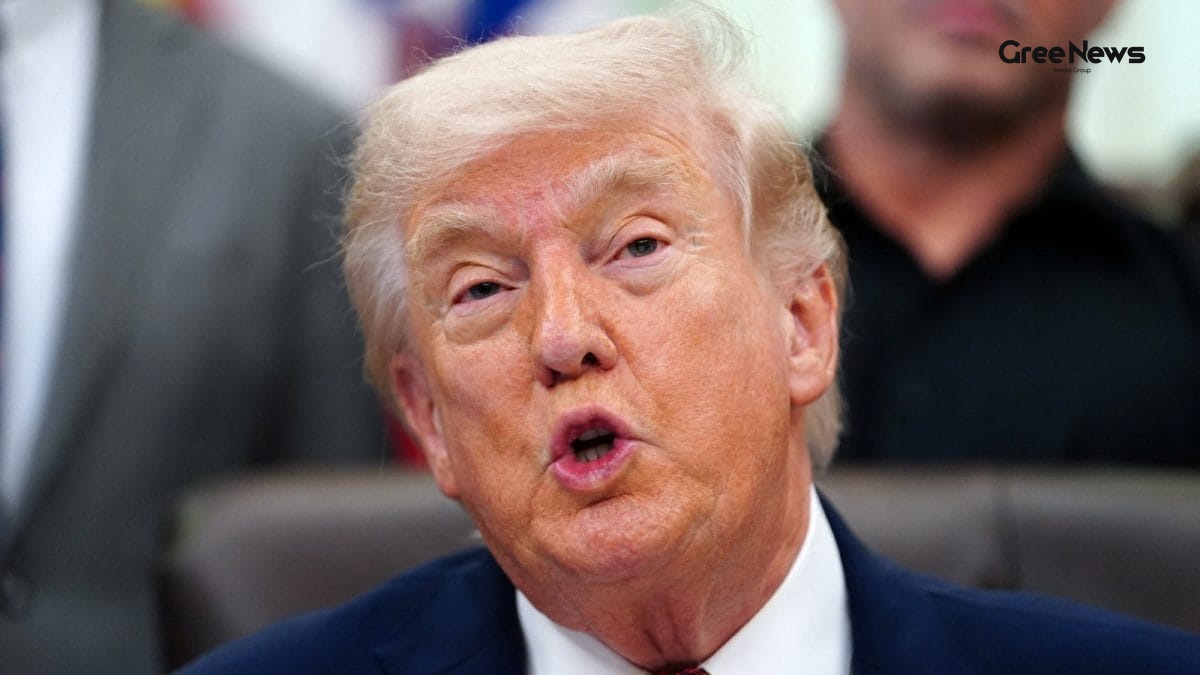
Posting on his social media platform Truth Social, Trump alleged repeated Iranian breaches of the temporary truce that had paused weeks of hostilities in West Asia.
Honestly, when I saw the post on Truth Social, I had to pause my morning chai and read it a couple of times. Trump wrote that Iran has broken the ceasefire “numerous times,” and that these violations are raising the stakes just as the window for fresh peace talks in Islamabad is about to shut. It felt a bit like watching a cricket match where the last over is about to begin and the bowler keeps slipping everyone’s on edge.
What makes this more interesting is that the post came at a time when there was no official announcement about whether a second round of negotiations would even happen. In most cases, such silence can be a tactic, but here it seemed more like a genuine concern about the fragile peace.
Trump’s Accusation About Iran’s Ceasefire Breaches
Let me break it down how Trump framed the issue. Trump said Iran kept violating the ceasefire that had temporarily halted intense fighting in West Asia. According to Trump, each breach added fuel to an already raging fire, and the pattern suggested that Iran was not serious about honoring the aGreement. This claim, while bold, sparked a flurry of discussions on social media platforms truly a piece of breaking news that got every political commentator talking.
Many people were surprised by this because, up until now, most reports from the ground highlighted a tentative calm. Yet Trump’s statement reminded us that ceasefires are often fragile and can be tested at any moment. The story quickly went viral, with several Indian news portals tagging it under trending news India, and people started sharing it as if it were a new episode of a favourite TV drama.
The Looming Peace‑Talk Window in Islamabad
Now, here’s where the plot thickens. The United States has been pushing for a fresh round of talks with Iran, and the venue is set to be Islamabad, Pakistan. A senior source from Pakistan told Gree that there is growing momentum for talks to resume on Wednesday, with US Vice President JD Vance leading the American delegation. The source also hinted that Trump could join either in person or virtually if a deal is ready to be signed.
What happened next is interesting despite the uncertainty, the United States kept expressing confidence that the talks would move ahead. In fact, the source said that the diplomatic wheels were turning and that there was a sense of optimism in the corridors of power. It felt a bit like waiting for the rains after a long summer drought hopeful, but uncertain.
Why Is Iran Hesitating?
The first round of talks, which took place about ten days ago, ended without any aGreement. Since then, Iran had been ruling out a second session this week because the United States refused to lift its blockade of Iranian ports and also seized an Iranian cargo ship. An Iranian official said Tehran is “positively reviewing” participation, but stressed that several conditions remain especially the recognition of Iran’s right to enrich uranium.
Iran’s distrust of Washington runs deep. Over the past year, the United States launched military operations on two separate occasions while talks were ongoing, which only widened the gap of suspicion. In most cases, such history makes Iran wary of any new diplomatic overture.
Many Indian observers noted that this hesitation could be a strategic move, trying to extract concessions before stepping back into the negotiating arena. The conversation around this has become one of the latest news India pieces that people are following closely, especially on platforms where policy analysts gather.
What Has Trump Said About a Possible Deal?
Trump has been vocal about his expectations from any potential aGreement. Trump said Iran is “going to negotiate” and expressed hope for a fair deal that would allow the country to rebuild. At the same time, Trump maintained a hard‑line stance that Iran must not retain the means to develop a nuclear weapon.
Washington wants Tehran to surrender its stockpile of highly enriched uranium, which could potentially be refined further for military use. This demand is a sticking point, and it’s clear why Iran is being cautious.
White House Press Secretary Karoline Leavitt added that a deal was close, crediting recent military pressure and Trump’s negotiating approach. Yet Karoline Leavitt also warned that the President still has “a number of options at his disposal” if diplomacy fails. This line of thinking adds another layer of intrigue what will the President choose if talks collapse?
People on the streets of Delhi and Mumbai were debating this very point on local tea stalls, turning it into a piece of viral news that spread across WhatsApp groups. The curiosity hook here is obvious will the United States switch back to a tougher stance, or will the talks finally produce a breakthrough?
Impact on Regional Stability and India's Perspective
From an Indian viewpoint, the whole scenario matters a lot. If the United States and Iran manage to strike a deal, it could lead to a reduction in regional tensions, which in turn might affect trade routes that pass through the Indian Ocean. Many business owners in Chennai and Kolkata keep a close eye on such developments because they can influence shipping costs.
On the other hand, if the talks fall through, the risk of renewed hostilities could destabilise the broader Middle East, potentially leading to higher oil prices something that directly impacts the Indian economy. This is why the story has become a trending news India topic, with economists and foreign‑policy experts weighing in on TV debates.
Many readers expressed that they felt a personal connection to the story because it reminded them of the delicate balance India maintains in its own foreign‑policy decisions, especially with neighbours like Pakistan and Afghanistan.
Public Reaction and Social Media Buzz
After Trump’s post, the comment sections of major Indian news portals lit up. Some users called the claim “baseless,” while others felt that Trump was simply highlighting a real concern. The hashtag #IranCeasefire gained traction on Twitter, and within hours it was featured in the list of viral news on several platforms.
What caught people’s attention was the mix of political analysis and everyday conversation a perfect recipe for trending news India. Users shared memes, short video clips, and even street‑interview snippets where ordinary citizens expressed their hopes for a peaceful resolution.
In most cases, the discussion reflected a broader desire for stability in the region, showing how interconnected global events are with the daily lives of Indians.
Looking Ahead Possible Scenarios
So, what could happen next? There are three main possibilities that analysts are looking at:
- A successful negotiation in Islamabad, leading to a formal ceasefire and a framework for gradual de‑escalation.
- An impasse, where Iran refuses to join without the lifting of sanctions, prompting the United States to consider a return to diplomatic pressure or even limited military options.
- A partial aGreement that addresses immediate concerns but leaves long‑term issues like uranium enrichment unresolved, setting the stage for future talks.
Each scenario carries its own set of consequences for regional security, and for India, the ripple effects could be felt in trade, energy prices, and even migration patterns.
Many people are waiting anxiously, and the next few days could decide whether the story stays in the realm of breaking news India or moves into the archives as a missed opportunity.
Conclusion A Story Still Unfolding
At the end of the day, Trump’s claim about Iran breaching the ceasefire adds another layer to an already complex diplomatic puzzle. Whether the United States and Iran manage to bridge their differences in Islamabad remains to be seen. What is clear, however, is that the narrative has captured the imagination of audiences across India, becoming a focal point for both political debate and everyday conversation.
As the deadline approaches, the world watches, and many of us in India keep checking the latest updates, hoping for a resolution that brings peace rather than more tension. Until then, the story will continue to dominate headlines, trend lists, and our dinner‑table discussions.