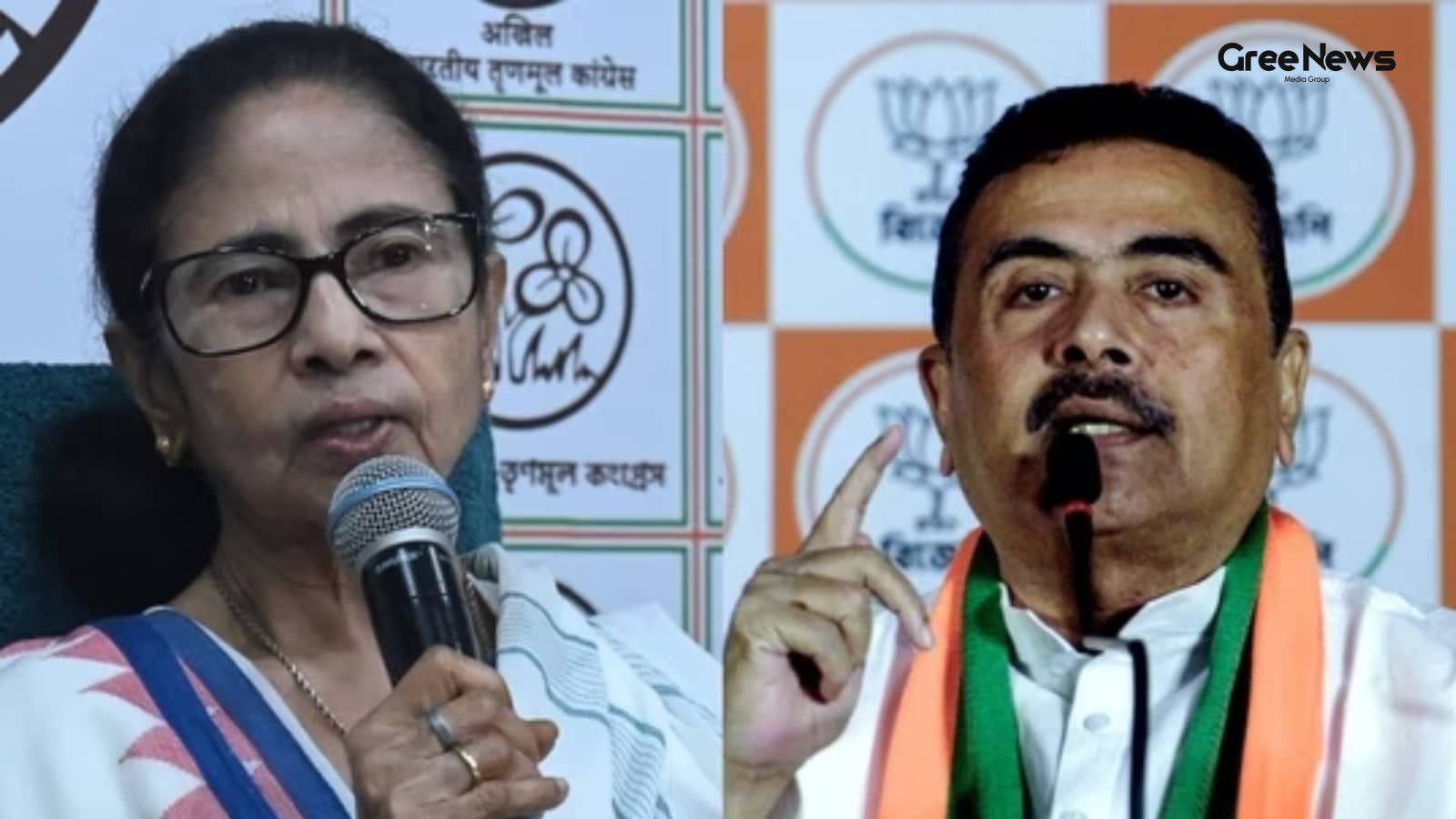
First Phase of West Bengal Polls Sparks Massive Interest
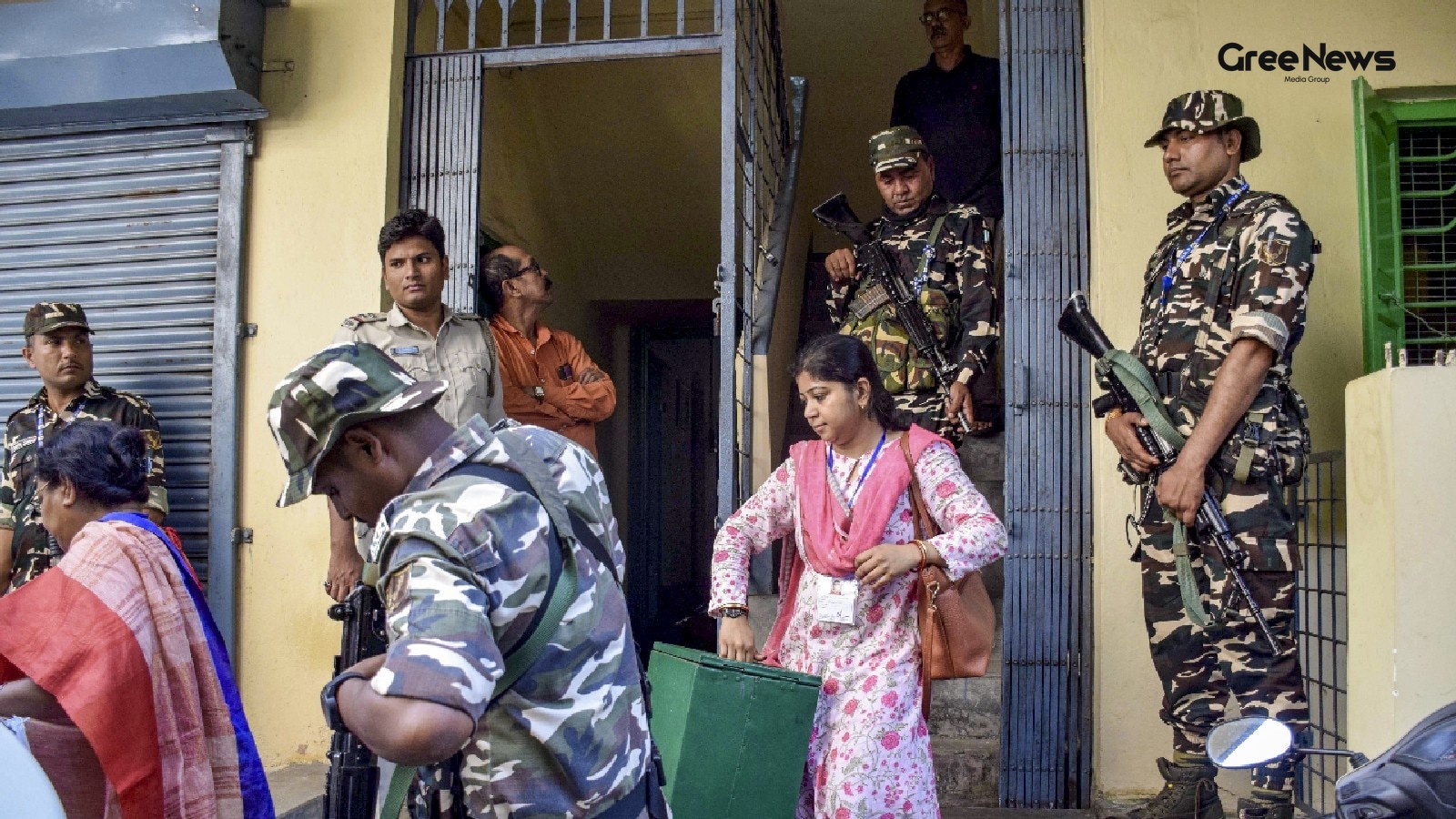
Honestly, when I first heard about the West Bengal Assembly elections kicking off, I could feel the excitement buzzing across every tea stall and WhatsApp group. It felt like the kind of breaking news India talks about every election season people literally stop everything to discuss who might win. The first phase of polling is now underway, and the atmosphere is electric. Everywhere you look, from the bustling streets of Kolkata to the quiet villages of Murshidabad, you can hear conversations about the big names who are throwing their hats into the ring.
What happened next is interesting: the contest isn’t just about parties; it’s about personalities that have become household names. The whole state seems to be holding its breath, waiting to see which leader will emerge victorious in these high‑stakes battles.
Who Are The Key Faces?
Let me walk you through the main characters that are shaping this drama. First up, Suvendu Adhikari. He is the Leader of Opposition and a fierce challenger to Chief Minister Mamata Banerjee. After a headline‑making win over Mamata Banerjee in Nandigram a few years back, Suvendu Adhikari is back again, contesting from the same constituency. This time, his rival is Pabitra Kar, a former aide of Mamata Banerjee who turned into a direct opponent. Suvendu Adhikari is also contesting from Bhabanipur, setting the stage for yet another intense showdown with Mamata Banerjee, who is also standing from that seat.
Speaking of Mamata Banerjee, she remains the charismatic chief of All India Trinamool Congress and the sitting Chief Minister of West Bengal. Her reputation as a grassroots leader and her knack for connecting with the common man have made her a formidable force. In each rally she addresses, you can sense a crowd that’s both reverent and restless, always waiting for the next move.
Another heavyweight is Dilip Ghosh, a senior leader of Bharatiya Janata Party. Dilip Ghosh is trying to make a comeback in Kharagpur Sadar, a seat he won back in 2016. This time, he faces Pradeep Sarkar of All India Trinamool Congress, and the constituency is expected to witness a nail‑biting contest after a narrow Bharatiya Janata Party victory in the previous election.
Adhir Ranjan Chowdhury, a veteran of the Indian National Congress, is also in the mix. He is contesting from Baharampur, hoping to revive his political stronghold after a recent defeat in the Lok Sabha election. His presence adds another layer of competition, especially since his former allies and opponents are now all lining up on the same battlefield.
Among the urban battlegrounds, Agnimitra Paul of Bharatiya Janata Party is contesting from Asansol Dakshin, where she will face Tapas Banerjee of All India Trinamool Congress. This is essentially a rematch of their 2021 face‑off, and many observers say it could be a bellwether for the rest of the state.
Not to be overlooked, former India football captain Prasun Banerjee has entered the political arena, contesting from Chanchal under the All India Trinamool Congress banner. His transition from sports to politics mirrors a growing trend of celebrities leveraging their fame for public service, and the local crowd seems genuinely curious about how his leadership will translate on the ground.
The name Rekha Patra of Bharatiya Janata Party also pops up in the list. She rose to prominence during the Sandeshkhali protests and is now fighting from Hingalganj, hoping to translate her activist credentials into electoral success.
Adding a unique twist to the story, Humayun Kabir has chosen to run as an independent candidate from Domkal after launching his own party. This move has caught people’s attention because independent bids are rare in a state dominated by two major parties, and many wonder if his local influence can break the usual voting patterns.
All these names create a colourful tapestry of competition, and each constituency feels like a mini‑drama playing out on the national stage.
High‑Stakes Contests Shape Phase One
In most cases, the real excitement is not just about who wins, but how they win. Take Asansol Dakshin, for example. Agnimitra Paul of Bharatiya Janata Party is squaring off against Tapas Banerjee of All India Trinamool Congress. The two have a history, and the streets there are buzzing with campaign posters, slogans, and the occasional heated debate at local tea stalls. Many people were surprised by how personal the campaigns have become, with candidates even inviting voters to their homes for informal chowk‑chowk discussions.
Another constituency that’s drawing a lot of eyeballs is Bhabanipur. Here, both Suvendu Adhikari of Bharatiya Janata Party and Mamata Banerjee of All India Trinamool Congress are contesting the same seat. The rivalry has become something of a legend, and the locals often compare it to a classic Bollywood showdown complete with dramatic speeches, rally music, and a crowd that’s split right down the middle.
Things get even more interesting in Kharagpur Sadar. Dilip Ghosh of Bharatiya Janata Party is fighting Pradeep Sarkar of All India Trinamool Congress, and the results here could be a bellwether for the north‑west part of the state. The constituency has a mix of industrial workers and college students, so the campaign messages are tailored to address both job concerns and education quality.
Meanwhile, in the coastal area of Hingalganj, Rekha Patra of Bharatiya Janata Party is banking on her activist background, hoping that the memory of her involvement in the Sandeshkhali protests will give her an edge. The locals, who are used to dealing with flood‑related issues, are listening closely to how she plans to tackle climate‑related challenges.
These high‑stakes contests are not just about tallies; they also reflect deeper social undercurrents like the rise of youth voting, the influence of social media, and the growing importance of grassroots-level organization. It’s this blend of traditional politics and modern campaigning that makes the phase one results so intriguing.
Why the West Bengal Polls Matter for All of India
Honestly, the West Bengal election isn’t just a state story. It’s a piece of breaking news India is watching because the outcomes will influence national politics. The Bharatiya Janata Party’s performance here often serves as a barometer for its overall strategy across the country, while the All India Trinamool Congress looks to reinforce its regional stronghold.
What many political analysts note is that the West Bengal electorate has a reputation for being vocal and unpredictable. In most cases, when a narrative seems set, the voters throw a curveball. That’s why the news outlets keep referencing the trending news India tag when covering the state’s political saga.
From a personal point of view, I’ve seen how election season turns everyday life upside down from traffic getting chaotic near polling stations to the constant buzz on TV screens. Even my neighbour’s cousin, who works in a call centre, takes a break every hour just to check the latest updates on his phone. It’s that level of engagement that makes the West Bengal polls a key piece of viral news in the country.
Moreover, the state’s economic weight, cultural influence, and strategic location make its political direction significant for the nation’s policy decisions. Whether it’s about infrastructure projects, education reforms, or trade policies, the elected representatives from West Bengal will have a say in shaping how these initiatives unfold.
All these factors together mean that the election’s ripple effects will be felt far beyond the state’s borders, turning each constituency’s result into a talking point in boardrooms and cafés alike.
Personal Observations from the Ground
Having lived in Kolkata for most of my life, I’ve watched elections come and go, but this time the vibe feels different. You can literally hear the campaign songs echoing from buses, and the streets are covered with colourful banners of Suvendu Adhikari, Dilip Ghosh, and even independent candidates like Humayun Kabir.
On a typical morning, I head to a local chai‑wala and over a cup of strong tea, the regulars discuss the latest vote‑count predictions. One of them, who works as a teacher, says, “If the youth vote swings towards Bharatiya Janata Party in Kharagpur Sadar, we might see a shift in local development plans.” He’s not wrong the youth turnout has been unusually high, and the energy they bring is palpable.
In another corner of the city, a group of senior citizens gather near a park and reminisce about past elections. They’re especially animated when talking about Mamata Banerjee’s long political journey. Their stories add a layer of history that makes the whole political saga feel like a living saga rather than just a set of numbers.
What caught people’s attention recently is the way social media memes about the contests have gone viral. You’ll find a TikTok clip of Prasun Banerjee juggling a football and a microphone, captioned “From the field to the floor can he score a win for All India Trinamool Congress?” It’s light‑hearted, but it shows how the electorate is engaging with politics in more creative ways than before.
All these small, everyday interactions remind me that elections are not just about tallies; they’re about people’s hopes, fears, and the stories they share over a cup of chai. That human element is what keeps the conversation alive and why the coverage stays in the trending news India feeds.
Looking Ahead: What Might the Results Signal?
As the counting continues, many voters and analysts alike are waiting to see which narrative will dominate. If Suvendu Adhikari of Bharatiya Janata Party manages to clinch Bhabanipur, it could be a signal that the opposition is regaining ground in urban pockets. Conversely, if Mamata Banerjee of All India Trinamool Congress holds onto her seat, it would reaffirm her grip on the state’s political heart.
Similarly, in Kharagpur Sadar, a win for Dilip Ghosh could boost Bharatiya Janata Party’s confidence in the industrial belt, while a victory for Pradeep Sarkar would reinforce All India Trinamool Congress’s rural outreach.
Beyond the individual seats, the overall tally will feed into the larger discussion about the national political climate. Media portals are already labeling these outcomes as part of the latest news India that could influence upcoming parliamentary strategies.
In most cases, the real test will be how the elected representatives translate campaign promises into policies. Will they focus on job creation for the youth, improve healthcare facilities, or address the recurring flood problems in the coastal areas? The answers will shape West Bengal’s future and, by extension, have an impact on the country’s development trajectory.
Whatever the final numbers are, one thing is clear: the West Bengal election narrative has captured the imagination of the nation, turning every constituency into a story worth following. And that’s what makes it such a compelling piece of viral news and trending news India across the nation.