What’s happening in Parliament feels like a chess game, and I was right there watching it unfold
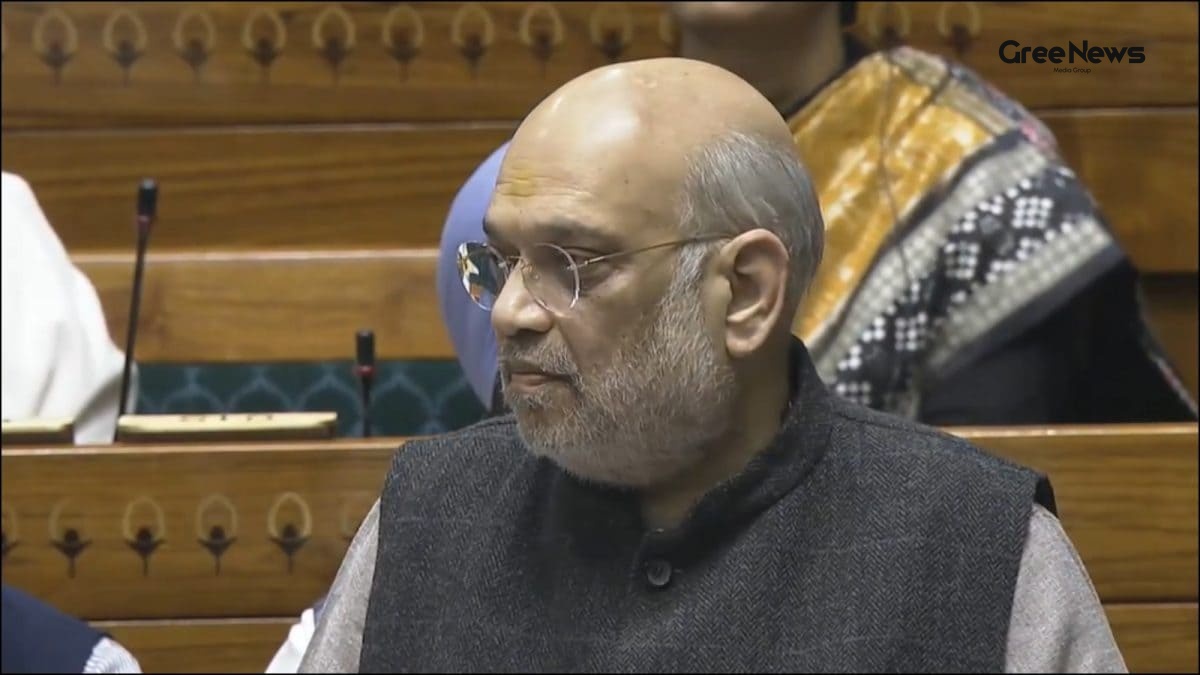
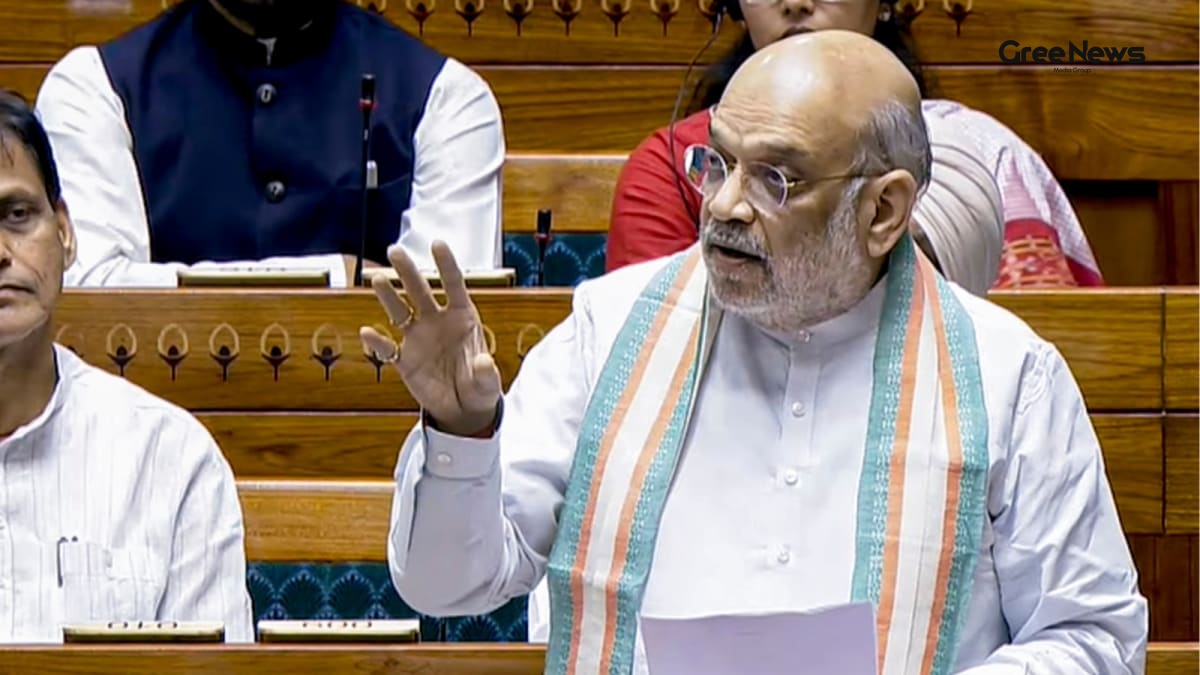
Honestly, I never thought a technical talk about delimitation could turn into such a buzz‑worthy saga in the latest news India circle. I was glued to the live telecast when Amit Shah, the Union Home Minister, rose in the Lok Sabha and laid out a simple‑seeming promise: when the House expands to 850 members, every state will get about a 50% bump in seats. He stressed that no state not even the southern ones would lose the share they currently hold.
Now, you might wonder why this caught my attention. In most cases, Parliament debates are full of jargon that the average citizen brushes off. But this time, the very idea of adding seats became a flashpoint, especially for the South. Leaders like Tamil Nadu Chief Minister MK Stalin have been vocal about the fear that a fresh delimitation could swing the balance of power toward the Hindi‑speaking heartland. So, Amit Shah’s numbers were not just numbers; they were an attempt to squash a growing political narrative.
What really hooked me was the way Shah broke it down: take Tamil Nadu, for example. Its Lok Sabha seats would rise from 39 to 59. Yet, according to the Centre, its overall share in the House would stay roughly the same. The math, as presented, looks clean, but politics in India rarely runs on clean math alone.
Why the South feels the heat a personal take
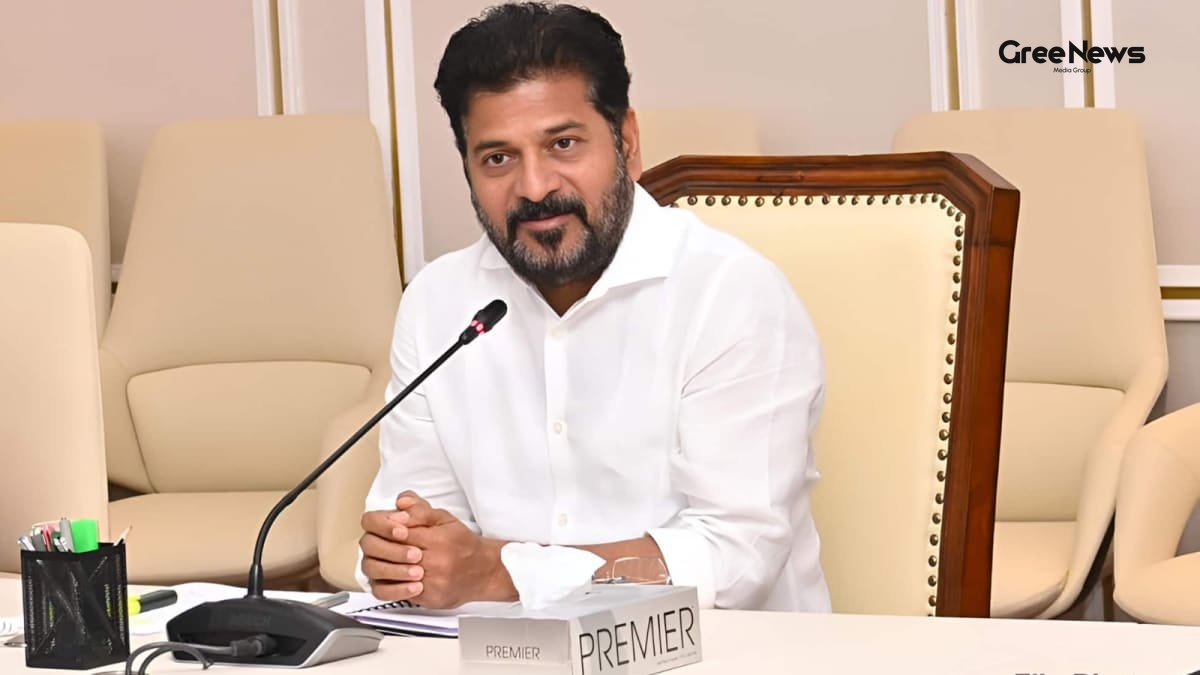
Being from Chennai, I could almost feel the pulse of the conversation in the streets. People I talked to were quick to point out that even if the numbers look fine on paper, the perception of losing influence is a powerful weapon. MK Stalin has turned delimitation into a rallying cry for his upcoming campaign. He frames it as a fight between Tamil Nadu’s interests and the Centre’s decisions.
For many in the South, it’s not just about the seat count; it’s about regional pride and a longstanding feeling that decisions are often tilted toward the Hindi belt. When Shah said, “no state will lose its current share,” I saw folks on social media asking, “Will this really protect our voice?” The answer, as I gathered, is a mixed bag the numbers might hold, but the political narrative is harder to control.
What happened next is interesting: despite Shah’s clarification, the opposition didn’t back off. In fact, the lines seemed even clearer now. It felt like a classic case where facts are there, but the story that resonates with voters is different. I watched the debate and realized that the opposition, especially Stalin, is likely to use this issue to cement his image as a defender of the South.
The constitutional amendment battle a looming showdown
Another piece of the puzzle I’ve been following closely is the constitutional amendment that will actually increase the Lok Sabha strength. The bill needs a two‑thirds majority to pass a hurdle that’s always tough to clear. If the amendment falls short, the opposition will seize it as a big win, and Stalin can confidently tell his supporters, “I stood my ground, I saved Tamil Nadu’s voice.” This could be a game‑changer in the next state elections, and you can sense the tension rising every time the House debates the numbers.
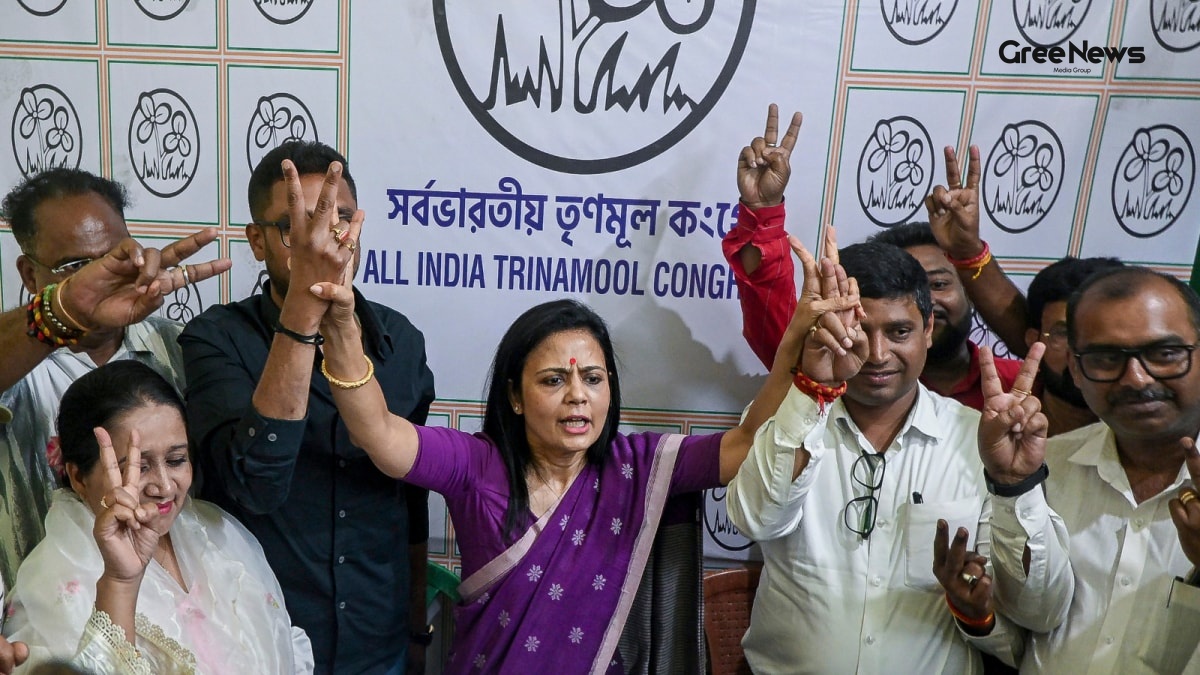
From my perspective, the BJP seems to be playing a broader political canvas. While the delimitation discussion is heating up in the South, the party is also gearing up to push the Women’s Reservation Bill in states where women voters are decisive think West Bengal. The narrative they’re shaping is that the opposition is blocking a measure meant to empower women, a point that could swing a large chunk of votes in their favour if the Prime Minister campaigns heavily on it in the coming days.
It’s a layered strategy, really. One message for the South, another for key electoral states. And here’s the twist: inside Parliament, the numbers are tight. The government might be hoping that some opposition parties either abstain or walk out, thereby reducing the effective strength of the House and making it easier to reach that two‑thirds threshold. But as anyone who follows Indian politics knows, that’s a risky bet.
Why perception often beats facts my observations from the street
Walking past a tea stall in Bangalore after the debate, I overheard a group of youngsters debating the same issue. One of them said, “Honestly, the maths looks fine, but if the Centre says we’re losing out, people will believe it.” That line summed up what I was seeing across the country the story that spreads faster than the numbers is the one that shapes opinions.
In the age of breaking news and viral news, a simple statement can become a meme, a hashtag, and a rallying cry within hours. That’s why the opposition’s narrative about “real risks” resonated so quickly. Even if the actual seat distribution remains proportional, the feeling of being sidelined can drive voter behaviour.
And it’s not just the South. In West Bengal, parties are already gearing up to use the Women’s Reservation Bill as a fresh weapon. I saw a local activist tell me, “If the opposition keeps dragging their heels on the women’s bill, it will backfire badly for them.” That’s the kind of ground‑level reaction that makes the whole delimitation debate more than a technical issue it becomes a hot political agenda in the run‑up to elections.
What this means for the upcoming election season a personal forecast
Putting all these pieces together, I think the upcoming election season will be shaped by two parallel narratives. First, the South will likely see a fierce campaign centered around delimitation, with leaders like MK Stalin using it to consolidate regional pride. Second, states like West Bengal will see the BJP pushing the Women’s Reservation Bill to appeal to women voters, framing the opposition as obstructive.
From where I stand, the BJP’s gamble is that the constitutional amendment passes, giving them the seat boost they promised. If it does, they can claim they delivered on the promise of “no state losing out.” If it fails, the opposition’s claim of “protecting the South” could become a powerful rallying point nationwide.
Meanwhile, everyday voters are watching these high‑level debates but also looking at how these issues affect their daily lives. For me, the real question is: will the narrative of “losing out” in the South turn into an actual loss of representation, or will it stay as a political talking point?
Only time will tell, but one thing is clear perception travels faster than facts in Indian politics, and that’s what makes every debate turn into something bigger than just numbers.
Final thoughts the line between numbers and narratives
In the end, what I observed in the Lok Sabha debate shows how a technical issue like delimitation can quickly become a political flashpoint. The government’s stance is that no state will lose its share, while the opposition insists the risks are real. Between these positions lies a truth that the Indian political arena is as much about perception as about policy.
For anyone keeping up with trending news India, this story is a classic example of how quickly a seemingly dry subject can become the centerpiece of election campaigns. Whether the amendment passes or not, the debate itself has already reshaped voter expectations in the South and sparked new strategies across the country.
So, as we brace for the next wave of campaigns and the Prime Minister’s outreach in the coming days, I’ll be watching how these narratives evolve. After all, in Indian politics, a single statement can ignite a wave of viral news, and that’s precisely what happened when Amit Shah promised a 50% seat increase a simple promise that turned into a massive political saga.