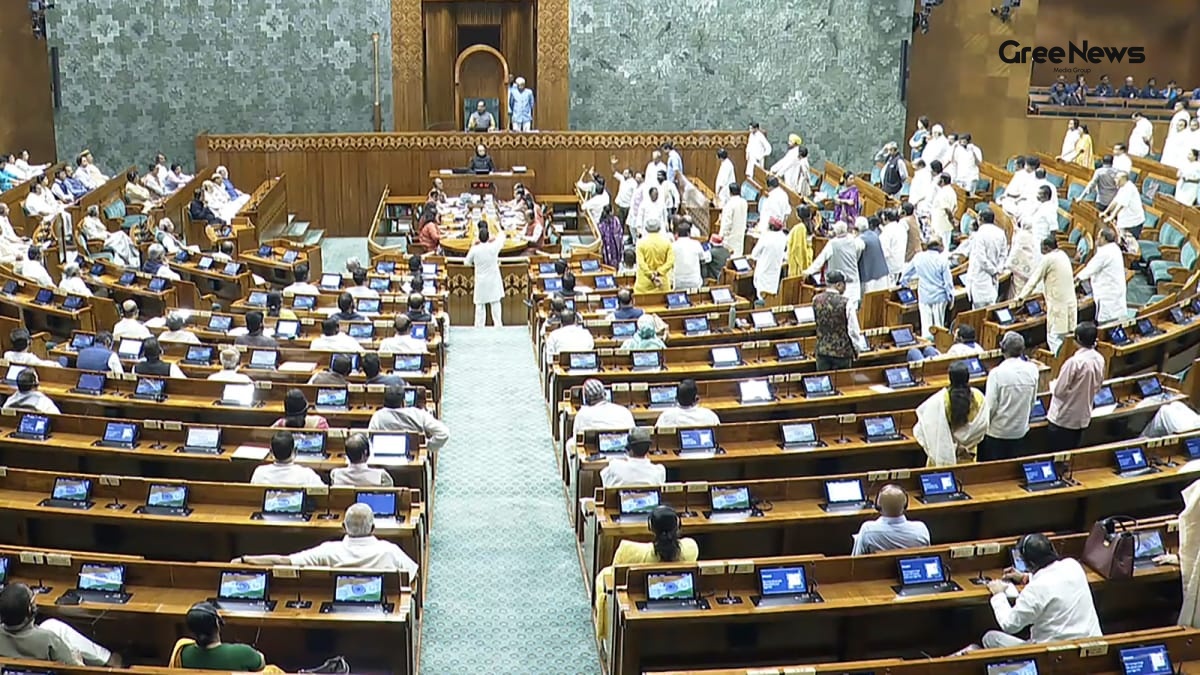
Women’s quota bill fails in Lok Sabha after missing two‑thirds majority, government also asks Speaker Om Birla to hold Delimitation Bill 2026 and UT Laws Amendment Bill 2026
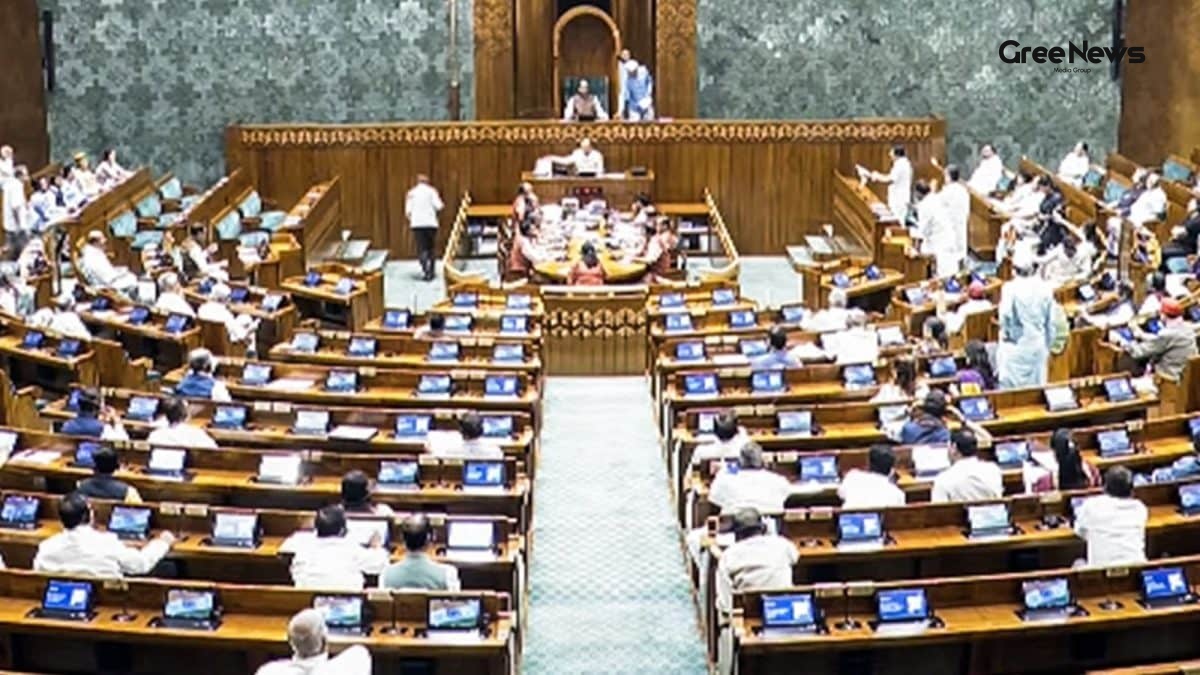
Honestly, the wait for a women’s quota in Parliament and state assemblies feels like it has stretched on forever. The 131st Constitutional Amendment Bill, which was supposed to give a 33 per cent reservation for women, just couldn’t pull off the two‑thirds majority in the Lok Sabha on Friday.
If you’re wondering how the numbers actually panned out it was 298 members in favour and 230 members against. That makes a total of 528 votes cast, but the bill needed 352 votes to clear the two‑thirds hurdle. So, it fell short by a comfortable margin, and the whole thing was put on ice.
What’s more, right after this setback, the government asked Speaker Om Birla to hold back two other important pieces of legislation the Delimitation Bill, 2026 and the Union Territories Laws (Amendment) Bill, 2026. It’s like a domino effect; one bill falls, the next two get a pause.
Now, why does this matter to the average person in Delhi, Hyderabad or a small town in Uttar Pradesh? Because the amendment wasn’t just about adding a symbolic slot for women. It was about increasing the total number of Lok Sabha seats from the current 543 to a maximum of 850. The idea was to “operationalise” the women’s reservation law before the 2029 parliamentary polls, after a fresh delimitation exercise based on the 2011 Census. In short, we would have more seats to accommodate the 33 per cent reservation for women both at the centre and in state assemblies.
How the voting unfolded a closer look
When the bill was put up for a vote, there was a lot of chatter in the corridors. Some MPs said they were in favour of gender parity but were worried about the logistics of increasing seats. Others were outright against any reservation, citing constitutional concerns.
To put it in everyday terms, imagine a cricket team where you decide to increase the number of players from 11 to 16 just so that a third of the spots are guaranteed for women. It sounds simple, but the whole team dynamics change the fielding positions, the batting order, the strategy. That’s essentially what the Parliament would have to do with the Lok Sabha seats.
During the debate, a senior minister remarked that the two‑thirds majority is a high bar, but it’s there to ensure that any constitutional change has broad consensus. And that’s exactly what happened the numbers just didn’t add up.
What the Delimitation Bill, 2026 was supposed to do
The Delimitation Bill, 2026 is linked to the women’s quota because, without a new delimitation exercise, you can’t just keep adding seats willy‑nilly. The last delimitation was based on the 2001 Census, and the next one was slated to be done using the 2011 Census data. This would redraw the boundaries of constituencies to reflect population changes and allow for the increase to 850 Lok Sabha seats.
Many political analysts told me that if the delimitation gets delayed, the whole reservation plan could be pushed back by several years. That’s why the government’s request to hold the Delimitation Bill together with the women’s quota bill is crucial both are two sides of the same coin.
Union Territories Laws (Amendment) Bill, 2026 why it matters
Just as the Lok Sabha seats need an increase, the Union Territories also need more seats in their assemblies to fit in the 33 per cent reservation for women. The Union Territories Laws (Amendment) Bill, 2026 was drafted to make those changes. It’s not just a bureaucratic move; it could affect local governance in places like Delhi, Puducherry and the newly formed Union Territories that have legislative assemblies.
People I spoke to in Chandigarh said they were curious about how the extra seats would be allocated. Some feared it might dilute the vote of smaller communities, while others welcomed the idea of more women representatives.
Public reaction what people are saying on the ground
After the vote, social media lit up with a mix of disappointment and hope. On Twitter, a trending hashtag #WomenInParliament kept popping up, with many users sharing stories of how they or their mothers struggled to get a voice in local governance.
One user from Bengaluru wrote, “I was really excited when the women’s quota was announced. Now I feel the same excitement fading, but I think the fight isn’t over.” Another comment from a farmer in Maharashtra simply said, “If women get more seats, maybe they’ll push for better water policies in our villages.” It’s interesting how the discussion quickly turned from parliamentary numbers to everyday issues like water, education and health.
Even in a local tea stall in Lucknow, the owner was debating the pros and cons while serving chai. He said, “If they increase Lok Sabha seats, won’t that mean more politicians, more promises? But if it brings more women, maybe they’ll look after family issues better.” That’s the kind of grassroots conversation that makes this a piece of breaking news that matters.
Why the two‑thirds majority is such a big hurdle
In India, any constitutional amendment needs a two‑thirds majority of the members present and voting. It’s a safeguard to ensure that big changes aren’t made on a whim. For the women’s quota bill, that meant 352 votes out of the 528 that actually voted.
Many political commentators argue that this high bar makes it tough for any progressive reform to pass, especially when the opposition parties decide to unite against it. The fact that 298 MPs voted in favour shows there is a considerable chunk of the house that wants gender parity, but they just couldn’t cross the magical 352‑vote line.
Potential next steps is the story over?
Even though the bill didn’t pass this time, the conversation is far from over. The government could bring the bill back in a future session, perhaps after negotiating with dissenting parties or tweaking some provisions. Some experts think they might split the bill into two parts one that deals solely with the increase of seats, and another that focuses on the reservation percentage.
There’s also talk of a possible court challenge. A few women’s organisations have hinted at taking the matter to the Supreme Court, arguing that the Constitution’s guarantee of equality should compel the state to act.
Meanwhile, the Delimitation Bill, 2026 and the Union Territories Laws (Amendment) Bill, 2026 are still on the speaker’s desk, waiting for a Green signal. If those are held back for too long, the whole plan to operationalise the 33 per cent women’s reservation could slip beyond the 2029 elections, which was the original target.
What this means for the upcoming elections
If the women’s quota and related bills don’t get cleared before the next general elections, parties will have to decide whether to pledge support for women’s reservation as part of their manifesto. Some regional parties have already started campaigning on the promise of “more women in parliament,” hoping to capture the votes of young women and progressive voters.
On the other hand, opposition parties are using the setback as a political weapon, claiming that the ruling coalition is trying to impose a “top‑down” reservation without proper consultation. This narrative is resonating in certain parts of the country where there is a strong sense of regional identity.
From a voter’s perspective, this debate could be a deciding factor. I know many friends who have never thought about parliamentary seat numbers, but after hearing about the women’s quota, they’re asking questions like, “Will my MP be a woman? Will that change how issues like safety, health and education are handled?” That’s a clear sign that the story has moved from the halls of Parliament to ordinary households.
Final thoughts why we should all care
At the end of the day, the women’s quota bill is more than just a number game. It’s about giving half of the population a stronger voice in the laws that shape our daily lives. Whether the bill passes next year or five years from now, the conversation it sparked is already reshaping how we think about representation.
So, keep an eye on the news, talk about it over chai, share the story with your friends because the more people discuss it, the harder it becomes for any government to ignore the demand for gender parity. And who knows? Maybe the next time you see a woman speaking in Parliament, you’ll remember this moment when the nation was on the brink of a historic change.