Akhilesh Yadav promises 300 units free power and 40000 rupees yearly aid for women in Uttar Pradesh, attacks BJP on inflation and services ahead of 2027 polls
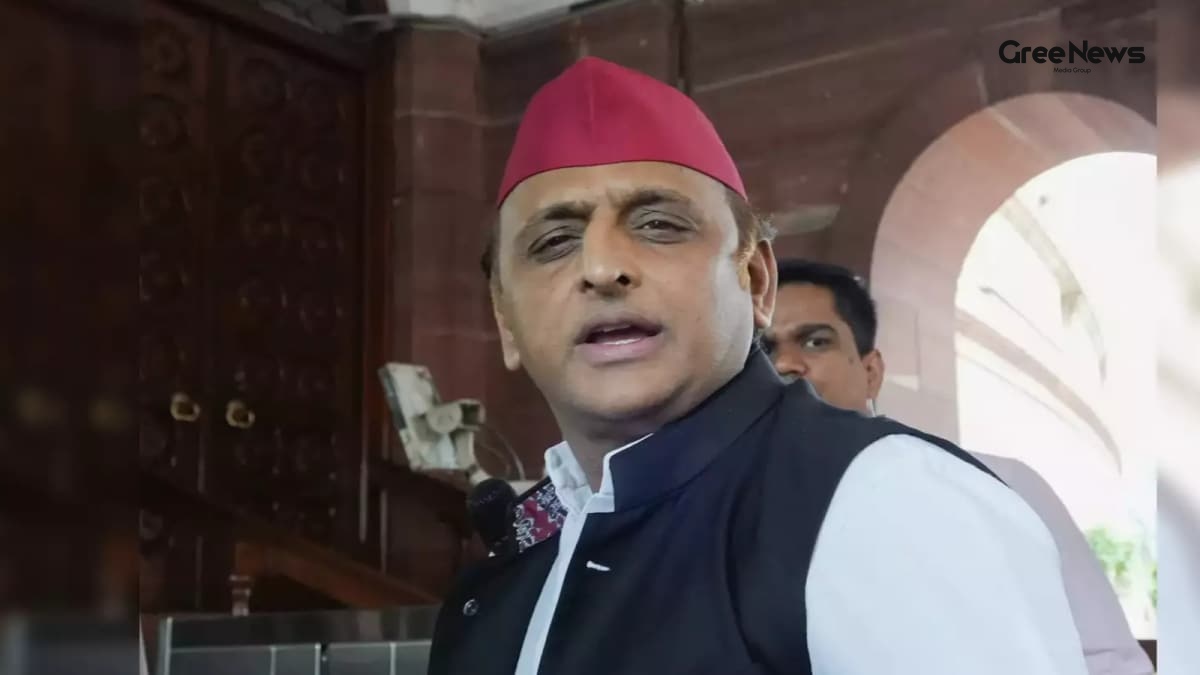
Honestly, when I first heard about this announcement during a morning chai with my neighbour, I thought it sounded like a typical election promise. But the way Akhilesh Yadav laid it out free electricity for every household up to 300 units and a direct cash handout of ₹40,000 a year for every woman it felt different, almost like a real attempt to tackle everyday problems we face in our lanes.
In most cases, the conversation around elections in Uttar Pradesh revolves around big‑ticket promises, but this time the detail in the plan caught my attention. The Samajwadi Party chief said that if his party gets a mandate, the state would roll out these measures through an upgraded version of the Samajwadi Pension scheme. Basically, the cash assistance would be higher than anything we have seen before from the party, making it a fresh talking point in the current political discourse.
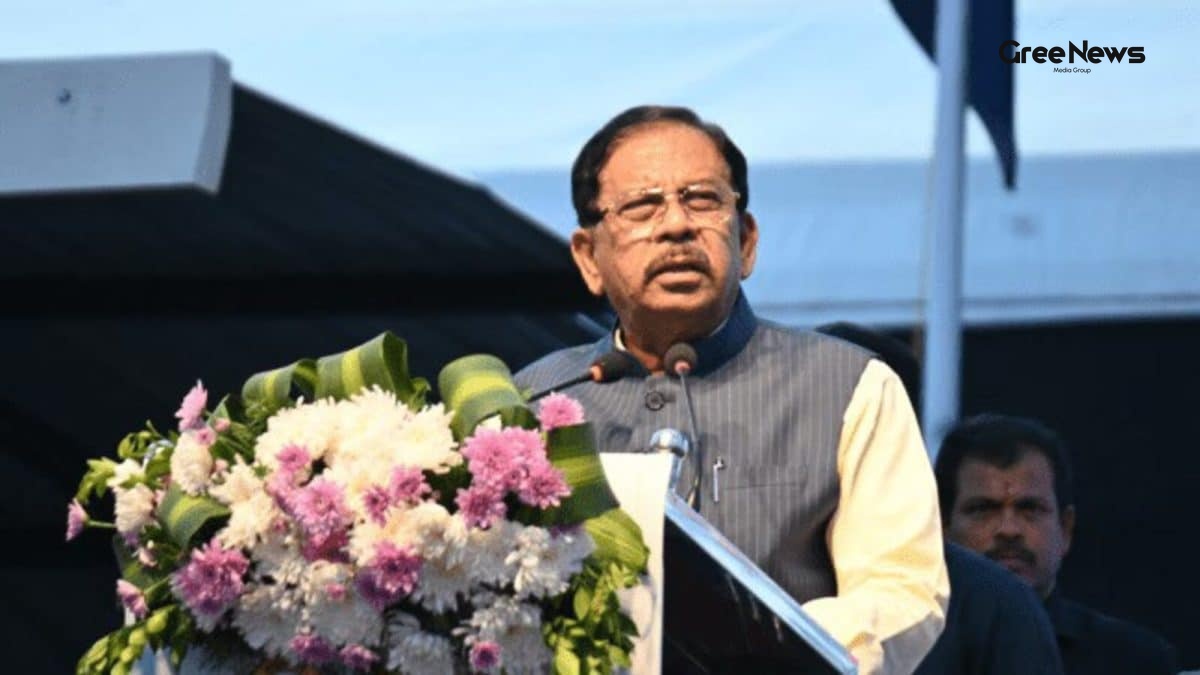
What happened next is interesting the crowd at the rally started chanting, and many people in the front row were waving placards that said “Free Power for All” and “₹40,000 for Women”. It was clear that this announcement was already turning into viral news across the state, and I could see why it was making headlines in the trending news India feeds.
Free Power: What 300 Units Really Means for Households
Let’s talk about the electricity piece. In my neighbourhood, a typical family uses around 250‑300 units a month, especially during the summer when the fans run non‑stop. Getting 300 units for free would essentially cover that entire monthly bill for many families. Akhilesh Yadav highlighted that the scheme would be targeted at low‑income households, and the free quota would be automatically credited to those who already have electricity connections.
He also pointed out the existing issues with power distribution you know how often power cuts happen in our villages, and the growing frustration with smart meters that many claim are not working properly. This promise directly attacks that pain point, and the Samajwadi Party is positioning itself as the one that will bring reliable power to the people.
Critics have already started questioning the fiscal impact, but the party says it will fund the scheme through a combination of state revenues and central grants. The idea is that even if electricity providers face a short‑term loss, the long‑term benefit of having a stable power supply will boost industrial activity and, eventually, tax collections.
Many people were surprised by this because usually the big parties talk about free electricity in vague terms, but here we have concrete numbers 300 units. That specificity made the promotion stand out as breaking news rather than just another political slogan.
Cash Assistance for Women: The ₹40,000 Annual Gift
Now, onto the ₹40,000 yearly aid for women. This is not just a token amount; it’s a sum that can make a real difference in a family’s budget. By my calculations, that’s roughly ₹3,300 a month enough to cover school fees, medical expenses, or even a small emergency fund.
The Samajwadi Party plans to embed this cash transfer within the existing Samajwadi Pension scheme, which already has a fairly wide reach across the state. By revamping the scheme, they hope to streamline the disbursement process, ensuring that payments go directly into women’s bank accounts an approach that aligns with other successful cash transfer programs across India.
During the rally, Yadav mentioned that this move is also about empowering women, giving them a direct financial stake and encouraging them to participate more actively in household decisions. In my village, many women are primary earners now, and a regular cash supplement would act as a safety net during lean periods.
Of course, there’s a debate about whether the state can sustain these payouts without risking a fiscal crunch. Yet, the party argues that the increased purchasing power will spur local markets, creating a multiplier effect that could offset the cost. This argument, while optimistic, is part of the larger dialogue taking place in the realm of India updates on welfare schemes.
Political Context: Targeting the BJP on Inflation and Power Issues
What’s fascinating is how Akhilesh Yadav used this platform to directly criticize the ruling BJP government. He accused the central and state administration of mishandling inflation, saying the rise in food and fuel prices is hitting the common man hardest. He also slammed the BJP’s record on electricity supply, pointing out the irregularities in the rollout of smart meters and the frequent load‑shedding that many of us endure.
This criticism is strategic. The BJP has been focusing its narrative on national security and big‑ticket infrastructure projects, but the Samajwadi Party is shifting the conversation to everyday concerns the cost of living and reliable utilities. By doing so, they aim to capture the sentiment of housewives, small traders, and daily wage workers, who are often the swing voters in Uttar Pradesh.
In most cases, such direct attacks become the breaking news stories on TV channels and social media. The instant reaction on platforms like Twitter and WhatsApp was a flood of memes and short videos highlighting the contrast between the promises of free power and the existing power crisis.
Many people were surprised by how quickly the narrative turned viral, and it seemed that the Samajwadi Party’s message was resonating especially among women who have been feeling the pinch of rising costs.
Debate on Fiscal Sustainability: Experts Weigh In
Now, let’s bring in the experts. Economists have started weighing in on the feasibility of funding 300 units of free electricity coupled with a ₹40,000 cash transfer for every woman in the state. Some argue that without a solid revenue plan, the promises could balloon the fiscal deficit. Others point out that similar schemes in states like Tamil Nadu and Karnataka have managed to balance the books by improving tax compliance and leveraging central funds.
One thing is clear the conversation around freebies is now a key part of the political debate. The Samajwadi Party’s push has sparked discussions on whether welfare can be a long‑term growth engine or a short‑term election gimmick. Many political analysts are calling this the “freebies showdown” of the 2027 UP elections.
From a buyer’s perspective, the promise of free power and cash assistance feels like a lifeline, especially when inflation eats into savings. The hope is that the scheme will not only provide immediate relief but also boost confidence, encouraging people to spend more, which could in turn improve the state’s revenue base.
Critics, however, warn that if the state’s finances are stretched too thin, there could be a backlash in the form of reduced spending on essential services like health and education. This tug‑of‑war between political promises and fiscal prudence is what makes this story a consistent feature in trending news India outlets.
Implications for the 2027 Uttar Pradesh Assembly Elections
So, what does all this mean for the upcoming election? The timeline might still feel far away, but early announcements like this are meant to set the narrative well before the real battle begins. By positioning themselves as the party of tangible benefits free electricity and cash for women the Samajwadi Party hopes to rebuild its base after a series of electoral setbacks.
In most cases, early promises help shape voter expectations. The party’s strategy appears to be to create a perception that they will deliver concrete, everyday benefits if they win power, contrasting that with the BJP’s focus on broader national issues. This could tilt the balance among the women voters, who have historically been a decisive factor in Uttar Pradesh’s elections.
Mentions of these promises have already become part of the viral news cycle, with local newspapers, community WhatsApp groups, and even roadside vendors talking about the free power scheme. If you walk through a market in Lucknow or a small town in the Braj region, you’ll hear the buzz about the ₹40,000 cash handout for women.
What’s more, the Samajwadi Party’s move might force other parties, including the BJP, to revisit their own welfare promises. We could see a cascade of new schemes emerging as the election gets closer, turning the whole campaign into a competition of who can promise the most tangible benefit a trend that aligns perfectly with the latest updates seen in India’s political landscape.
At the end of the day, whether these promises turn into reality will depend on many factors from the party’s ability to win a majority, to the state’s fiscal health, to how quickly they can implement the schemes. But one thing is certain: this announcement has already become a major talking point in the country’s political conversation and is likely to stay in the news cycle for a while.